What Are the Best China Prehung Doors for Global Buyers?
Choosing the best Prehung Doors for global buyers requires more than comparing prices or browsing attractive catalog photos. The right choice must fit the building opening, climate, shipping route, and installation skill available at the destination. A door may look excellent in a showroom yet arrive with damaged corners, unsuitable handing, or a jamb that does not match local wall thickness. Small details matter.
Gary Katz, a respected door-installation educator and former editor of Tools of the Trade, says, “A door is only as good as its installation.” This practical warning remains highly relevant for international purchasing. Even a well-engineered Prehung Doors system can leak air or bind if the rough opening is uneven. Buyers should examine frame materials, hinge quality, weatherstripping, threshold design, swing direction, and hardware compatibility. They should also request drawings, packaging photographs, test reports, and installation instructions before placing a large order.
Climate changes the decision. Coastal projects may need corrosion-resistant hardware, while humid regions require stable timber or engineered composite frames. Cold areas demand stronger seals and suitable thermal performance. Fire-rated or security-focused models may need verified documentation for the intended market. Requirements differ.
Do not trust claims alone.
Supplier experience also deserves close attention. Can the manufacturer produce consistent dimensions across batches? Does it inspect every assembled unit? Can it replace damaged components after ocean transport? These questions are less glamorous than door style, but they protect budgets and project schedules. There is no universally perfect Prehung Doors solution. The best option is the one that survives real handling, installs cleanly, and suits the buyer’s local conditions. Still, every specification should be questioned before commitment.
What Defines a China Prehung Door for Global Buyers?
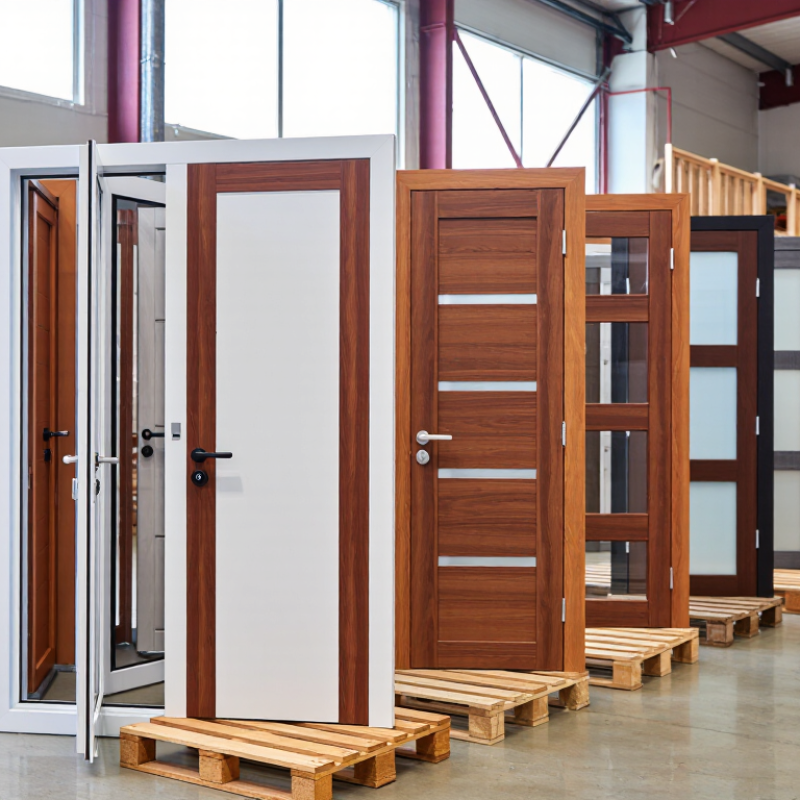
For global buyers, a China prehung door is more than a finished door slab. It is a coordinated unit with the slab, frame, hinges, stops, and prepared hardware locations. The frame may arrive assembled or flat-packed. That difference affects installation time, shipping volume, and damage risk. Experienced buyers confirm the rough opening, wall thickness, swing direction, and threshold detail before approving production.
Reliable specifications should cover material, moisture resistance, surface finish, core construction, and hardware compatibility. A supplier should provide drawings, inspection records, and applicable fire, acoustic, or weather-performance reports. These documents matter more than polished product photos. A door that looks suitable in a showroom may fail when exposed to coastal humidity or uneven masonry. Small tolerances become expensive problems.
Packaging deserves close attention. Corner guards, sealed wrapping, and separated hardware can reduce damage during long-distance transport. Sample approval is useful, but it is not perfect. One sample cannot reveal every production variation. Buyers should inspect frame squareness, hinge alignment, seal compression, and finish consistency. They should also confirm whether local installers can adjust the unit without special tools. Clear communication is part of the product. A missed measurement can outweigh an attractive price.
Which Prehung Door Materials and Styles Suit Different Projects?
For global buyers, the best China prehung door depends on climate, use, and installation conditions. Start with the project, not the appearance.
Steel suits warehouses, apartments, and security-focused entrances. It resists impact but may transfer heat without an insulated core. Fiberglass works well for exterior doors exposed to rain and changing temperatures. It needs less maintenance than natural wood. Solid wood brings warmth to villas, hotels, and premium interiors, yet it requires careful moisture control. Engineered wood offers a practical balance for bedrooms and office spaces. None is perfect.
Modern projects often use flush panels, narrow frames, and matte hardware. Traditional homes may suit raised panels, divided-light glass, and deeper trim. Hotels frequently need acoustic doors, while bathrooms benefit from moisture-resistant finishes. Glass inserts can improve daylight, but they reduce privacy unless textured or laminated. Fire-rated styles require verified test documents and matching frames, hardware, and installation methods.
Before ordering, confirm wall thickness, opening size, door handing, threshold height, and metric measurements. Ask for section drawings, finish samples, and packaging details. Request evidence of moisture testing, hardware durability, and applicable safety certification. I once underestimated the importance of hinge alignment during installation. A small mismatch caused rubbing and delayed the handover. Budget for local adjustments. China-made doors can be consistent, but specifications must be written clearly and checked carefully.
How to Evaluate Chinese Door Manufacturers and Product Quality
When evaluating China prehung doors, start with the manufacturer, not the catalogue. A polished showroom can mislead. Ask for the factory address, production photos, and recent export references. A reliable supplier should explain timber species, core construction, veneer thickness, and moisture limits clearly. Request a live video inspection when an in-person audit is impossible. Check whether the factory controls cutting, assembly, finishing, and final inspection internally. Outsourced steps need written controls.
Product quality begins with accurate specifications. Send a complete door schedule with opening size, handing, wall thickness, swing direction, frame material, and hardware requirements. Order a production sample, not a display sample. Measure the leaf, frame, clearances, hinge positions, and latch alignment. Check the finish under direct light. Look for uneven sheen, open joints, chipped edges, or visible filler. Test the prehung unit in a mock wall before mass production. Small errors become expensive at the job site.
Ask for test reports that match the actual model. Reports should identify the tested construction, dimensions, and laboratory. Confirm performance requirements for fire, acoustics, weather, and energy use in the destination market. Do not accept generic certificates. Packaging deserves attention too. Corner guards, moisture barriers, and labeled hardware reduce transit damage. Clarify inspection points, replacement terms, lead times, and payment milestones in writing. I would still leave room for doubt. Samples can pass while a rushed batch fails. Independent pre-shipment inspection is a practical safeguard, especially for a first order.
What Customization, Certifications, and Hardware Options Are Available?
Global buyers often need more than a standard prehung door. Custom options may include opening size, swing direction, frame depth, core material, glazing, surface finish, and threshold height. A project in a humid coastal city may require corrosion-resistant hardware and sealed timber edges. A hotel corridor may need acoustic construction, concealed closers, and durable laminate surfaces. Small measurements matter. A three-millimeter error can complicate installation.
Certifications should match the destination market and project use. Ask for current test reports, product declarations, fire-resistance ratings, acoustic results, and air or water performance data. CE or UKCA marking may apply in certain markets, while other regions require local approval. Certification names alone are not enough. Check the tested door configuration, including leaf thickness, glass type, frame, seals, and hardware. A fire-rated door can lose its tested performance when an unapproved lock or closer is added. That detail is often missed.
Tips: Request a full hardware schedule before production. Confirm hinge grade, lock function, cylinder format, closer strength, exit-device needs, and weather seals. Ask for installation drawings and a physical sample when possible. Factory quality checks should cover diagonal measurements, finish consistency, gasket placement, and packing protection. A perfect specification on paper may still fail on site. I have seen attractive doors arrive with the wrong handing, so clear labels and pre-shipment photos are practical safeguards.
How to Compare Pricing, Shipping, Installation, and After-Sales Support
Global buyers should compare the complete landed cost, not only the factory quote. Ask for pricing by door size, material, finish, hardware, packaging, and quantity. A low unit price may exclude crating, inland delivery, or port charges. Request a written quotation with currency, payment stages, production time, and shipping terms. Keep a small allowance for unexpected freight changes.
Shipping details deserve close attention. Confirm the crate dimensions, gross weight, loading method, and destination port before ordering. One oversized crate can increase handling costs quickly. Ask how damaged goods are documented and how claims are processed. Photos taken before unloading can protect both sides. I have seen buyers overlook this simple step.
Installation also affects the real value of a prehung door. Share the rough opening, wall thickness, swing direction, threshold height, and local climate requirements. Clear drawings should show jamb sizes and fastener locations. The installer needs practical instructions, not only attractive product images. Local labor may cost more than expected. After-sales support should include response times, replacement hardware, repair guidance, and a written warranty. Ask whether spare parts can be shipped individually. Test the support team with detailed questions before paying. Their reply may reveal more than a polished catalog. My own comparison sheets are useful, but never perfect; actual site conditions can challenge even careful planning.