Best Electric Water Heater Buying Guide for Global Shoppers?
Choosing the right Electric Water Heater can be daunting. With a multitude of options available, it's essential for buyers to understand their needs. Industry expert Dr. Emily Summers states, "The right water heater can make a significant difference in energy efficiency and comfort."
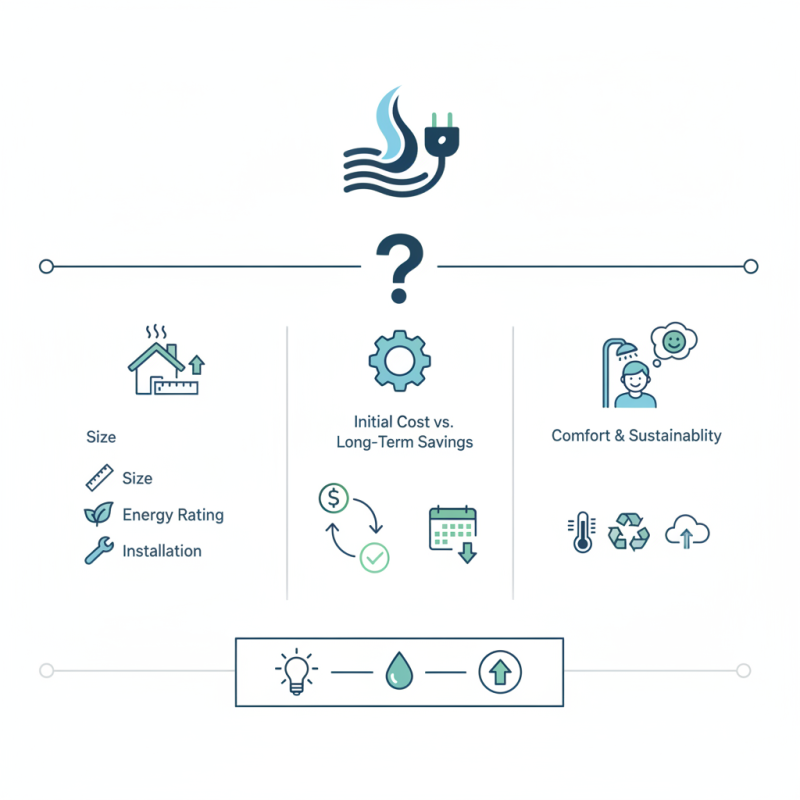
Investing in an Electric Water Heater means considering size, energy rating, and installation requirements. Many consumers overlook vital details. For instance, understanding your hot water demand is crucial. A properly sized unit improves efficiency and reduces energy costs.
The market offers a mix of brands and technologies. Navigating this landscape might feel overwhelming. It's easy to base decisions on price alone, yet it's essential to think beyond the initial cost. Long-term savings and reliable performance should guide your choices. Selecting the best Electric Water Heater isn't just about the immediate purchase; it's a commitment to future comfort and sustainability.
Understanding Different Types of Electric Water Heaters Available Globally
Electric water heaters come in various types, each designed to meet specific needs. Tankless models are popular for their efficiency and space-saving design. They heat water on demand, which means they don't waste energy by keeping a large volume of water hot. However, they may struggle to provide enough hot water for simultaneous use, like showering and washing dishes.
Storage water heaters, often featured in household settings, store hot water in a tank. These units are generally reliable and provide a steady supply of hot water. However, their energy consumption can be higher, leading to increased utility bills. Users might find that, after extensive use, the stored water runs out. This can be frustrating, especially during peak usage times.
Heat pump water heaters combine efficiency with renewable energy technology. These models move heat rather than generate it directly. While they can save money in the long run, installation costs are often higher. Users should consider their local climate, as these units may not perform well in cooler areas. Each type has distinct advantages and drawbacks, so understanding these differences is crucial before making a buying decision.
Key Factors Influencing Electric Water Heater Efficiency Ratings
When evaluating electric water heaters, efficiency ratings are crucial. According to the U.S. Department of Energy, water heating accounts for approximately 18% of home energy use. This highlights the importance of selecting an efficient unit. Various factors influence these efficiency ratings, including insulation quality, heating elements, and tank design.
One key factor is the insulation thickness. A well-insulated tank minimizes heat loss. The American Society of Heating, Refrigerating and Air-Conditioning Engineers (ASHRAE) recommends a minimum of 2 inches of insulation for optimal performance. Inadequate insulation can lead to higher energy costs. Furthermore, the type of heating element plays a role. Units with high-efficiency elements can heat water faster while using less energy.
Another important aspect is the first hour rating (FHR). The FHR indicates how much hot water a heater can supply in an hour. The U.S. Energy Information Administration emphasizes that selecting a heater with an appropriate FHR can prevent shortages during peak usage. Misjudging your household needs may result in inadequate hot water supply. It's important to consider how often and when you'll need hot water to avoid frustration. Balancing these factors will lead to a more efficient water heating experience.
Reviewing Popular Brands and Their Market Share in Electric Water Heaters
Electric water heaters continue to gain popularity worldwide. According to industry reports, their market share has increased by 15% annually over the past five years. This growth highlights a significant shift in consumer preferences towards energy-efficient solutions. Key players dominate the market, accounting for over 70% of total sales. However, many shoppers remain unaware of the best options available.
Tips: Always look for energy efficiency ratings. This will help reduce long-term costs.
In recent studies, shoppers expressed confusion regarding features. Instant heating versus storage units is a common dilemma. While instant heaters offer convenience, storage models often provide better energy savings. It's crucial to assess your household needs before committing to a purchase. Additionally, installation costs can vary widely based on local labor prices, adding to the complexity.
Tips: Research installation costs in your area. This might help avoid unexpected expenses.
Market analysis suggests a trend towards smart water heaters. Many consumers are interested in technology that enables remote monitoring and control. This feature enhances convenience but may come with higher upfront costs. Understanding these trade-offs is essential for making an informed decision when selecting an electric water heater.
Cost Analysis: Initial Investment vs. Long-Term Energy Savings
When investing in an electric water heater, considering the total cost involves both the initial price and long-term energy expenses. According to the U.S. Department of Energy, water heating accounts for approximately 18% of a household's energy usage. This statistic highlights that spending a bit more upfront on energy-efficient models can lead to significant savings over time. For instance, Energy Star-rated heaters can save homeowners about $300 annually.
Tips: Look for models with high Energy Factor (EF) ratings. A higher EF indicates better efficiency.
Initial costs for electric water heaters can range from $300 to $1,500. However, a cheaper model might cost more in the long run. For example, a conventional heater may use 20-30% more energy compared to newer, energy-efficient options. This means a lower upfront investment could result in higher monthly utility bills, stretching the cost over many years.
Tips: Calculate your potential savings. Use local energy rates to assess how much an efficient model will save you monthly.
While the initial investment is a key factor, long-term energy savings play a crucial role in overall cost-effectiveness. The decision requires careful consideration of both upfront costs and future savings. Assessing these factors helps buyers make informed choices tailored to their budget and energy needs.
Installation Considerations and Safety Standards for Global Shoppers
When considering an electric water heater, installation is crucial. Many shoppers overlook the specific requirements needed for safe operation. For instance, local regulations often dictate specific installation methods and materials. According to the U.S. Department of Energy, improper installation can lead to hazards like electric shock or fire risks. Understanding these guidelines helps ensure safety and efficiency.
Safety standards vary globally. In Europe, the EN 60335-2-35 standard outlines requirements for water heaters to minimize risks. In contrast, in Australia, the AS/NZS 3350 standard informs electrical appliance manufacturing and installation. Buyers should familiarize themselves with these standards, as non-compliance can void warranties and result in fines.
Installation often requires professional help, even if the unit seems user-friendly. Evidence shows that about 30% of DIY installations lead to issues. Mistakes can occur with wiring or pressure settings. Therefore, reliability often hinges on hiring certified professionals. A survey by the National Association of Home Builders indicated that 80% of homeowners prefer to avoid installation headaches by seeking expert help. Understanding installation considerations can prevent future regrets.