Skip to Content
chevron-left chevron-right chevron-up chevron-right chevron-left arrow-back star phone quote checkbox-checked search wrench info shield play connection mobile coin-dollar spoon-knife ticket pushpin location gift fire feed bubbles home heart calendar price-tag credit-card clock envelop facebook instagram twitter youtube pinterest yelp google reddit linkedin envelope bbb pinterest homeadvisor angies

7 Best Ways to Fix a Broken Garage Door?

A broken garage door can stop your morning before the coffee is ready. The opener may hum, yet the door stays still. A cable may hang beside the track. Sometimes, the problem is smaller: a dead remote battery or a blocked photo-eye sensor. These details matter because guessing can turn a simple repair into an expensive mistake.

This guide explores seven practical ways to fix a broken garage door safely and methodically. It covers basic inspections, sensor alignment, track cleaning, hardware checks, and opener troubleshooting. It also explains when a repair should stop and a qualified garage door technician should take over. Torsion springs, lifting cables, and heavy panels can release dangerous force. Do not adjust them casually.

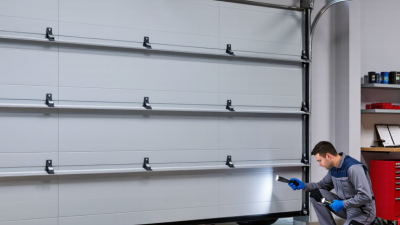
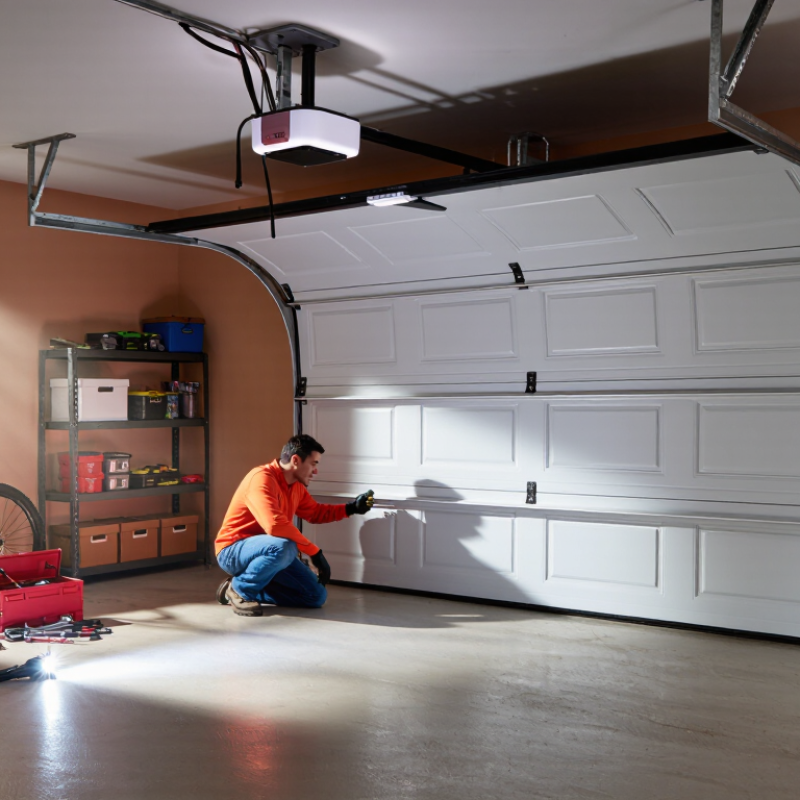
A flashlight helps.

Clear observations come first. Check whether the door is crooked, unusually loud, or difficult to lift manually. Listen for grinding, clicking, or strained motor sounds. A damaged roller might need replacement, while a broken spring usually requires professional service. The advice here follows common manufacturer guidance and practical repair experience, but every door has different parts and limits. Even careful homeowners can miss hidden damage. I have learned that rushing the diagnosis often creates more trouble than the original fault. Take photos, record the symptoms, and read the door’s manual before touching unfamiliar components. Safety should guide every decision.
7 Best Ways to Fix a Broken Garage Door?

Identify the Garage Door Problem and Check for Immediate Safety Risks

7 Best Ways to Fix a Broken Garage Door?

Identify the Garage Door Problem and Check for Immediate Safety Risks

A broken garage door can fail suddenly, so inspect the area before touching anything. Look for a tilted door, loose cables, cracked rollers, bent tracks, or broken springs. Listen for grinding, popping, or repeated motor clicks. These details often reveal whether the problem is mechanical or electrical. Keep children, pets, and vehicles away from the opening. A door that hangs unevenly may drop without warning. Do not pull loose cables or handle a stretched spring. Those parts store dangerous energy. Disconnect the power only when the door is fully closed and stable. If it is stuck open, avoid standing beneath it.

Tips: Use a flashlight, not your fingers, to inspect dark corners. Photograph damaged parts before calling a qualified technician. Check whether the wall control works, but never repeatedly press it when the motor strains. A simple obstruction, such as a stone under the door, can cause serious stress. Remove it only after switching off the opener and confirming the door cannot move.

An experienced technician should assess broken springs, frayed cables, crushed tracks, and doors that feel unusually heavy. These repairs require correct tools, measurements, and controlled force. Guessing can worsen the damage. I have seen homeowners focus on the motor when the real fault was a misaligned track. That mistake wastes time. Still, visual checks are imperfect, especially in poor lighting. If the door shifts, sags, or makes a sharp snap, stop immediately and arrange professional service. Safety matters more than opening the garage quickly.

7 Best Ways to Fix a Broken Garage Door: Identify the Problem and Check for Immediate Safety Risks

The chart uses a practical 1–5 safety-priority scale: 5 means stop using the door and arrange professional service immediately, while 1 indicates a lower-risk maintenance issue. Never adjust or remove torsion springs, lift cables, or other high-tension components yourself.

Release a Jammed Door by Inspecting Tracks, Rollers, and Obstructions

A jammed garage door often has a simple cause: a blocked track, damaged roller, or shifted panel. Start by disconnecting the automatic opener and keeping children away from the doorway. Do not force the door upward. Its weight can change suddenly.

Inspect both vertical tracks and the curved sections near the ceiling. Look for bent metal, loose fasteners, leaves, stones, or hardened grease. Remove small obstructions with a brush or vacuum. Never hammer a track back into place while the door carries weight. A small bend can worsen quickly.

Check each roller as the door remains closed. A worn roller may wobble, scrape, or sit outside the track. If one has jumped out, stop and call a qualified technician, especially when cables look loose or uneven. Springs store dangerous energy and require specialized tools. Do not adjust them yourself.

If the tracks appear aligned, gently test the door by hand. It should move with steady resistance. A door that sticks halfway may have an uneven panel or damaged hardware. I used to think extra lubricant solved most jams, but it can hide a deeper alignment problem. Use only a light garage-door lubricant on clean rollers and hinges, not thick grease inside the tracks. Check the movement again, because a quiet door is not always a safe door.

Repair or Replace Damaged Springs, Cables, and Hinges Safely

A damaged garage door rarely fails without warning. You may hear a sharp snap, notice uneven movement, or see a cable hanging beside the track. Springs carry extreme tension, so do not adjust, remove, or cut them yourself. Disconnect the opener and keep children away from the doorway. A qualified garage-door technician should inspect broken or stretched springs with proper tools.

Repair may suit a loose hinge, a misaligned track, or a cable that only needs correct routing. Replacement is safer when a spring is cracked, a cable is frayed, or a hinge is bent and pulling against the door panels. Never replace only one spring in a matched pair without professional advice. Uneven tension can make the door rise crookedly.

A quick fix can look convincing. It may still be wrong. I would rather pause than trust a repair that feels uncertain.

Tips: Watch the door move manually after professional work. It should lift smoothly and remain balanced halfway open. Do not force a heavy door or reconnect the opener if cables remain loose. Photographing the damaged parts can help explain the problem clearly. Keep fingers away from hinges and rollers; small gaps can close suddenly. Ask for a written explanation of the repair, replaced parts, and safety testing.

Restore Opener Operation by Testing Power, Sensors, and Remote Controls

A garage door opener can fail for a surprisingly simple reason: lost power. Check the wall outlet, breaker, and opener light before touching the mechanism. Plug in a small lamp to confirm the outlet works. If the motor remains silent, disconnect power for 60 seconds, then restore it. This reset sometimes clears a control fault. Sometimes, it does not.

Test both photoelectric sensors near the floor. DASMA technical guidance places these entrapment sensors no higher than six inches above the garage floor. Their indicator lights should remain steady, not flicker. Clean each lens with a dry, soft cloth, then check that both units face each other. A storage box can shift one sensor by only a few millimeters. That is enough to stop operation. Never bypass the sensors; CPSC safety guidance identifies reversing protection as a critical opener safeguard.

Then test the remote from inside the garage. Replace its battery if the wall control works but the remote does not. Stand close to the door and press once, avoiding repeated signals. If another remote works, reprogram the faulty one according to the opener’s instructions. Record what changed. I often see homeowners replace parts too quickly, while a loose outlet or misaligned sensor caused the fault. If the door reverses unexpectedly, makes grinding sounds, or feels unusually heavy, stop testing and arrange professional service. Springs store dangerous energy.

7 Best Ways to Fix a Broken Garage Door? — Restore Opener Operation by Testing Power, Sensors, and Remote Controls

Step Problem to Check Recommended Action Useful Test or Tool Typical Result Safety Note Priority
1. Verify the Power Supply The opener has no lights, sound, or movement. Confirm that the opener is plugged in, inspect the power cord, and reset a tripped circuit breaker or ground-fault outlet if appropriate. Wall switch, flashlight, and electrical panel inspection. Restored power may bring back the opener light and motor response. Do not remove electrical covers or work on live wiring. Start Here
2. Test the Wall Control The remote does not work, but the opener may still have power. Press the wall control and observe whether the motor responds. Check for loose low-voltage wires at the control if the button is unresponsive. Wall-mounted control button and visual wire inspection. A functioning wall control helps identify whether the issue is limited to the remote. Avoid touching exposed conductors; disconnect power before tightening connections. High
3. Align and Clean Safety Sensors The door reverses, refuses to close, or the opener light flashes. Clean both sensor lenses, remove obstructions, and adjust the sensors until their indicator lights remain steady. Soft cloth, level reference, and visual alignment check. Properly aligned sensors usually allow the door to close without immediately reversing. Never bypass or disconnect the safety sensors. High
4. Replace the Remote Battery The wall control works, but the handheld remote has little or no response. Install a fresh battery of the correct type, check the battery contacts, and test the remote from several positions. Replacement battery and clean, dry cloth. A strong signal should activate the opener within its normal operating range. Keep small batteries away from children and dispose of used batteries properly. Quick Fix
5. Reprogram the Remote The remote battery is good, but the opener does not recognize the signal. Follow the opener’s programming procedure to pair the remote again, then test the door from a safe distance. Remote control and the opener’s program or learn button. The remote should operate the door after successful pairing. Keep the doorway clear while testing and never test with anyone beneath the moving door. Moderate
6. Inspect the Door’s Manual Movement The opener hums, strains, or stops because the door is difficult to move. With the door fully closed, use the emergency release only if safe, then check whether the door moves smoothly by hand and remains reasonably balanced. Manual lift test and visual inspection of tracks, rollers, and hinges. A properly balanced door should move smoothly without excessive force or sudden dropping. Do not adjust torsion or extension springs; they store dangerous energy and require qualified service. Inspect Carefully
7. Check Travel Limits and Mechanical Damage The door stops too early, travels too far, comes off the track, or makes unusual noises. Inspect the tracks for bends or blockage, check visible brackets and fasteners, and use the manufacturer’s adjustment procedure only when the door and hardware are in good condition. Flashlight, level, and visual hardware inspection. Clear tracks and correct travel settings can improve stopping points and operating consistency. Stop using the door if cables are loose, springs are broken, panels are displaced, or the door is off its tracks. Service If Needed
Always disconnect power before performing permitted maintenance, keep children and vehicles away from the doorway, and contact a qualified technician for springs, cables, severe track damage, or an unbalanced door.

Know When to Call a Professional for Complex Garage Door Repairs

A broken garage door needs careful checking, not rushed force. Seven practical fixes include clearing track debris, tightening loose hardware, lubricating rollers, testing the wall switch, replacing remote batteries, checking photo-eye alignment, and resetting the opener. Disconnect the opener before inspecting moving parts. I have seen small obstructions cause loud grinding and uneven movement. Still, a quick fix can hide a deeper failure.

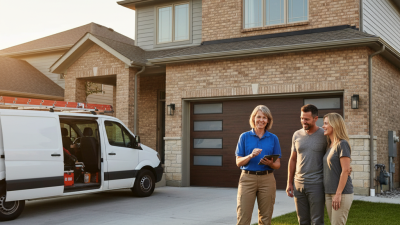
Call a professional when the door feels unusually heavy, hangs crooked, or drops suddenly. Broken torsion springs, frayed cables, bent tracks, and damaged rollers can release dangerous energy. Do not adjust springs or cables yourself. A trained technician can measure spring tension, inspect mounting points, and test balance safely. This matters because an incorrectly balanced door can strain the opener and fail without warning. Sometimes, even experienced homeowners misread a worn component.

Tips: Keep hands away from hinges and spring assemblies. Watch the door during one complete opening cycle. Stop immediately if it shakes, scrapes, or reverses unexpectedly. Record unusual sounds before requesting service. Mention recent storms, impacts, or failed repairs. That detail helps a professional diagnose the problem faster. Keep children and vehicles clear of the doorway during testing.