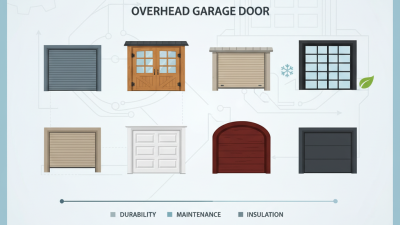
How to Choose the Right Overhead Garage Door?
Choosing the right overhead garage door involves more than matching a color to your home. The door affects security, insulation, noise, safety, and daily convenience. It may open hundreds of times each year, often during rain, cold mornings, or rushed departures. A poor choice becomes expensive quickly.
Tom Wadsworth, a respected garage-door educator and former technical director, has often emphasized, “The garage door is the largest moving object in your home.” That reminder should guide every purchase. Homeowners need to examine panel construction, spring systems, track quality, opener compatibility, and professional installation. Steel doors offer durability, while insulated models can reduce heat transfer through an attached garage. Windows add natural light, but they may influence privacy and energy performance.
Measure carefully. Check the opening, headroom, side clearance, and ceiling structure before comparing prices. A beautiful door is not automatically the right door. Local weather matters too. Coastal air, heavy snow, strong sunlight, and frequent temperature changes can affect materials differently. Ask installers about maintenance, warranty coverage, emergency release features, and replacement-part availability.
There is no perfect choice. That is easy to forget.
Budget decisions can also become compromises. A low upfront price may hide weaker hardware or limited service support. Conversely, the most expensive overhead garage door may offer features your household never uses. Reliable guidance should come from documented specifications and an experienced, licensed installer. Review the details slowly, question vague promises, and consider how the door will perform after years of ordinary use. The best selection balances appearance, safety, climate, maintenance, and long-term value.
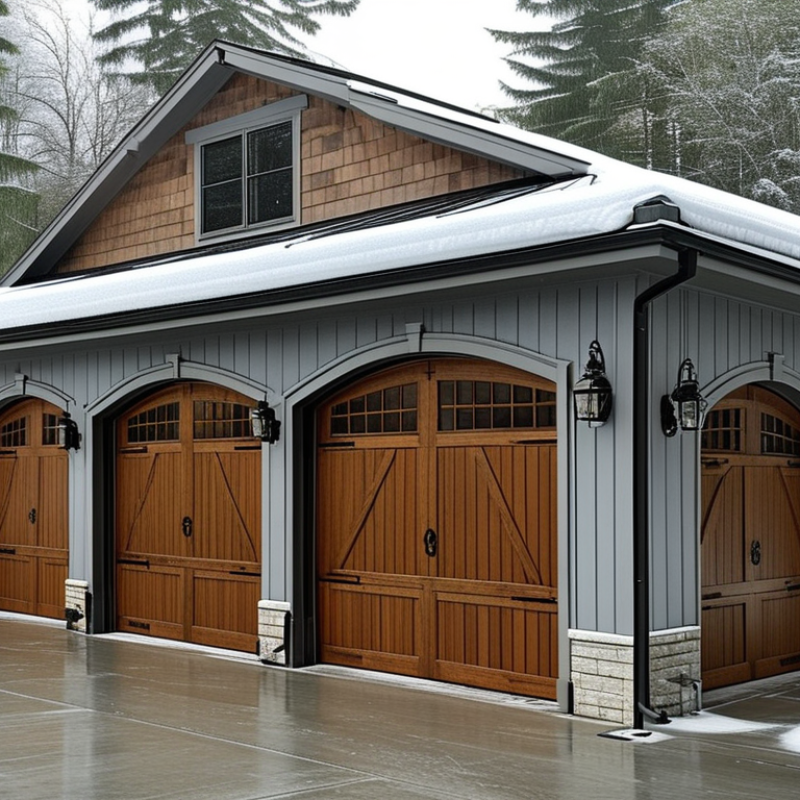
Define Your Garage Door Needs and Priorities
Choosing the right overhead garage door begins with your daily needs, not its appearance. Define your priorities before comparing materials, colors, or window designs.
Stand inside the garage during rain and winter. Notice drafts, moisture, noise, and temperature changes. Measure the opening, ceiling height, side space, and vehicle clearance carefully. A door may fit the opening but still interfere with lights, storage, or a parked car.
Write down what matters most: insulation, quiet operation, security, durability, or price. Keep the list short.
Insulation deserves attention when the garage connects to living areas. A well-insulated door can improve comfort, but it cannot fix poor wall or ceiling insulation. For a detached garage, basic construction may be enough. It depends on how you use the space. If you work there, protect tools and your hands from cold surfaces. If you only park a vehicle, extreme insulation may waste money.
Safety should stay high on the list. Choose a door with reliable reversing protection and guarded moving parts. Have a trained installer check spring balance, tracks, and mounting points. Local building requirements may also affect ventilation, fire separation, or electrical work. I once focused too much on appearance and ignored morning glare through the windows. That mistake was inconvenient. Plan for sunlight, maintenance access, and future repairs. A cheaper door can become expensive when parts are difficult to replace. Be honest about your budget and your tolerance for upkeep.
Compare Overhead Garage Door Materials and Designs
Choosing an overhead garage door starts with the material, but the decision should fit your climate and daily routine. Steel offers strong security, stable performance, and many surface finishes. It can dent, though. Aluminum resists rust and keeps the door lighter, making it useful in coastal areas. Wood adds warmth and depth, but it needs regular sealing. Fiberglass or composite panels can imitate wood with less maintenance, although damaged sections may be difficult to match.
Design changes both appearance and function. Raised panels suit traditional homes, while flush panels create a cleaner, modern line. Full-view sections bring daylight into a dark garage, but their glass can increase heat gain and cleaning work. Insulated sandwich panels feel firmer during operation and can reduce heat transfer. The U.S. Department of Energy recommends checking door insulation values when conditioned spaces connect to garages. A higher rating is not automatically better for every home.
Budget deserves careful attention. Zonda’s 2024 Cost vs. Value Report listed garage door replacement at about $4,513 nationally, with an estimated $8,751 returned at resale, or 193.9 percent. That figure is encouraging, not guaranteed. Local labor, opening size, hardware, and installation quality can change the result. Measure the opening twice. I would also inspect hinge noise, panel alignment, and weather seals before choosing a decorative finish. A beautiful door can still perform poorly.
How to Choose the Right Overhead Garage Door?
Compare typical panel insulation ranges across common overhead garage door materials and designs. Higher R-values generally indicate better resistance to heat flow, although installation quality, weather seals, windows, and local climate also affect actual performance.
Key takeaway: Non-insulated steel and aluminum/glass doors usually provide limited thermal resistance. Wood doors offer moderate insulation, while steel doors with polystyrene or polyurethane cores typically provide the highest panel R-values.
Evaluate Insulation, Safety, and Security Features
How to Choose the Right Overhead Garage Door?
A well-insulated overhead garage door keeps the garage more stable in extreme weather. Check its R-value, but do not judge performance by that number alone. A higher R-value usually means better resistance to heat transfer. However, poor seals can cancel that advantage. Examine the bottom gasket, side weatherstripping, and gaps around the frame. Polyurethane-filled panels often provide stronger insulation than basic hollow panels. They can also reduce outside noise. In my experience, a quiet, steady door feels better during daily use.
Safety deserves careful attention. Photoelectric sensors should stop the door when an object interrupts the beam. Test them monthly with a small, harmless object. The door should reverse immediately. Never rely on memory alone. Automatic reversal force also needs correct adjustment. Too much force may create a serious crushing hazard. Look for doors and openers tested against recognized safety requirements in your region. Professional installation matters, because even excellent equipment can become unsafe when tracks, springs, or cables are misaligned.
Security features should slow unauthorized entry without making emergency access impossible. Consider rolling-code remote controls, a strong interior lock, and a protected emergency-release mechanism. Keep remote controls away from vehicles parked outside. Check whether the door resists forced lifting when closed. I once focused heavily on insulation and overlooked the weak side seal. That mistake reminded me that comfort, safety, and security work together. Still, every garage has different risks, so a local inspection may reveal details a checklist misses.
| Evaluation Dimension | What to Check | Common Options or Performance Data | Why It Matters | Recommended Priority |
|---|---|---|---|---|
| Door Construction | Number of layers and core material | Single-layer steel doors provide basic coverage. Two-layer doors add a backing layer, while three-layer doors typically combine exterior steel, insulation, and an interior backing. | More layers generally improve rigidity, noise control, durability, and thermal performance. | High |
| Insulation Type | Material used inside the door sections | Expanded polystyrene offers moderate insulation. Polyurethane foam usually provides higher insulation density and better structural bonding than polystyrene. | The insulation material affects heat transfer, door strength, weight, and resistance to temperature changes. | High |
| Insulation Rating | Published R-value and test conditions | Uninsulated doors may have little added thermal resistance. Insulated residential doors commonly range from approximately R-6 to R-18, depending on design and testing method. | A higher R-value generally indicates greater resistance to heat flow, but installation quality and air leakage also affect real-world performance. | High |
| Thermal Bridging | Metal areas that bypass the insulation | Look for thermally improved sections, insulated end caps, and limited direct metal paths between the interior and exterior surfaces. | Reducing thermal bridges helps limit cold spots, condensation, and unwanted heat transfer. | Medium |
| Weather Sealing | Seals around the bottom, sides, and top of the door | A bottom seal, side and top perimeter seals, and properly adjusted sections help close common air and water gaps. | Effective sealing improves comfort, protects stored items, and reduces drafts, dust, and moisture entry. | High |
| Pinch-Point Protection | Protection at hinges and moving sections | Pinch-resistant section designs reduce access to gaps where fingers could become trapped during operation. | This is especially important in homes with children, pets, or frequent manual door use. | High |
| Automatic Reversal | Response when the closing door meets an obstruction | Modern automatic openers should use force monitoring and reverse when resistance is detected. The force and travel settings must be correctly adjusted. | Reversal helps reduce the risk of crushing or trapping people, vehicles, and objects beneath the door. | High |
| Photoelectric Sensors | Presence of safety sensors near the floor | A matched sensor pair creates an invisible beam across the opening and should stop or reverse the door when the beam is interrupted. | Photoelectric protection adds a separate safety layer beyond the opener's force-detection system. | High |
| Manual Release | Ability to open the door during a power outage | An emergency release allows the door to be disconnected from the automatic opener and operated manually when the door is properly balanced. | It provides access during power failures, but the release should be protected from unauthorized access when the garage is externally accessible. | High |
| Remote-Control Security | How the opener protects wireless commands | Rolling-code systems change the access code after each authorized operation, making copied or previously recorded codes harder to reuse. | Dynamic coding reduces the risk of replay attacks compared with fixed-code remotes. | High |
| Emergency Locking | Resistance to forced lifting when the door is closed | Choose a door with a properly installed automatic opener and a secure trolley connection. Manual slide bolts should not remain engaged while the opener is operating. | A correctly configured system helps prevent the door from being lifted manually from outside. | High |
| Track and Hardware Strength | Quality and correct installation of tracks, rollers, brackets, and fasteners | Heavy-duty hardware, properly supported tracks, and corrosion-resistant components are useful for large, heavy, or frequently used doors. | Sound hardware supports smooth operation and reduces the risk of misalignment or premature wear. | High |
| Wind Resistance | Design pressure rating for the installation location | Wind-rated doors may include reinforced sections, stronger hardware, and additional bracing. Requirements depend on local wind-speed and building-code conditions. | Appropriate wind resistance helps protect the door and surrounding structure during severe weather. | High |
| Noise Control | Door movement and opener vibration | Insulated sections, nylon rollers, appropriate hinges, and a properly maintained opener can reduce operating noise. | Noise control is valuable when the garage is below bedrooms or next to living areas. | Medium |
| Maintenance Requirements | Inspection and service needs | Inspect seals, springs, cables, rollers, hinges, tracks, and safety sensors regularly. Do not adjust torsion or extension springs without qualified training. | Routine inspection helps preserve safety, balance, weather sealing, and reliable operation. | High |
| Best Overall Selection | Balance insulation, safety, security, and local requirements | A well-installed, insulated sectional door with effective weather seals, pinch protection, photoelectric sensors, automatic reversal, secure wireless controls, and suitable wind resistance is a strong general-purpose choice. | The best door is not determined by insulation alone; correct sizing, installation, maintenance, and code compliance are equally important. | High |
Check Door Measurements, Compatibility, and Installation Requirements
How to Choose the Right Overhead Garage Door?
Accurate measurements prevent costly surprises. Measure the opening width and height at three points, then record the smallest results. Check the side room, headroom, and backroom with a steel tape. A few centimeters can change the required track system. Also measure the existing frame, not only the visible door panel.
Inspect the garage structure before choosing a replacement. The wall and ceiling must support the tracks, springs, and opener safely. Look for cracked masonry, loose timber, water damage, or uneven surfaces. Compatibility matters too. Confirm the door weight, panel thickness, track radius, spring type, and opener capacity. An older opener may move a new door poorly, even when the dimensions match. It can be tempting to reuse every part. That is not always wise.
Installation requirements deserve equal attention. Keep vehicles and stored items away from the work area, and plan for clear lifting space. Torsion springs store serious energy, so adjustment should follow the manufacturer’s instructions or be handled by a trained installer. I have seen small measuring errors delay an entire installation. I also once focused too much on the door size and overlooked limited headroom. That mistake was avoidable. Before ordering, compare the measured clearances with the installation diagram, inspect electrical access, and confirm local safety requirements. A second measurement is cheap insurance.
Estimate Costs, Maintenance Needs, and Long-Term Value
Choosing an overhead garage door begins with the total cost, not the showroom price. In my experience, installation, tracks, springs, insulation, and disposal can change the final bill significantly. Measure the opening, ceiling height, and driveway space before requesting estimates. A double door usually costs more, but it may improve daily convenience.
Maintenance needs also affect ownership costs. Inspect rollers, hinges, cables, and weather seals twice a year. Listen for grinding, shaking, or delayed movement. These details often reveal wear before a failure occurs. Lubrication helps, but it cannot repair cracked springs or bent tracks. Leave spring and cable repairs to trained technicians. They require specialized tools and careful procedures. I once underestimated how quickly a worn seal increased winter heating loss. Small gaps matter.
Long-term value depends on durability, energy performance, and repair access. An insulated door can make the garage more comfortable and reduce heat transfer into nearby rooms. Stronger hardware may cost more initially, yet it can reduce replacement frequency. Ask for written estimates, warranty terms, expected maintenance, and local service availability. Do not choose the lowest quote automatically. It may exclude important components. I still overestimate short-term savings sometimes. A door that looks attractive but needs frequent adjustment can become expensive within a few years. Compare the five-year ownership cost, not only today’s payment.
Related Posts
-
Top 10 Overhead Garage Doors You Need for Your Home?
-

Top 10 Overhead Garage Doors for Global Buyers in 2026?
-
How to Choose the Best Residential Roll Up Garage Doors for Your Home
-
Why Choosing the Right Overhead Garage Door Matters for Your Home Security
-
10 Essential Tips for Choosing the Best Residential Garage Doors?
-
Top 10 Overhead Door Garage Door Openers for 2025 You Need to Know