CNC Laser Pipe Cutter Buying Guide for Global Importers
In today’s competitive manufacturing landscape, the CNC Laser Pipe Cutter is becoming essential for global importers. According to a recent report from MarketsandMarkets, the global laser cutting market is projected to grow significantly, reaching USD 5.9 billion by 2026. This growth indicates a rising demand for precision cutting tools like CNC Laser Pipe Cutters.
Industry professionals recognize that these machines not only enhance efficiency but also improve overall production quality. A well-implemented CNC Laser Pipe Cutter can reduce material waste by up to 30%, which is crucial for cost management. However, the sheer number of options in the market can be overwhelming. It's vital for importers to conduct thorough research.
Choosing the right CNC Laser Pipe Cutter involves careful consideration of various factors. This includes understanding machine specifications, operational costs, and after-sales support. Some challenges may arise during the decision-making process, such as the balance between price and quality. With detailed knowledge, importers can avoid common pitfalls in their purchasing journey.
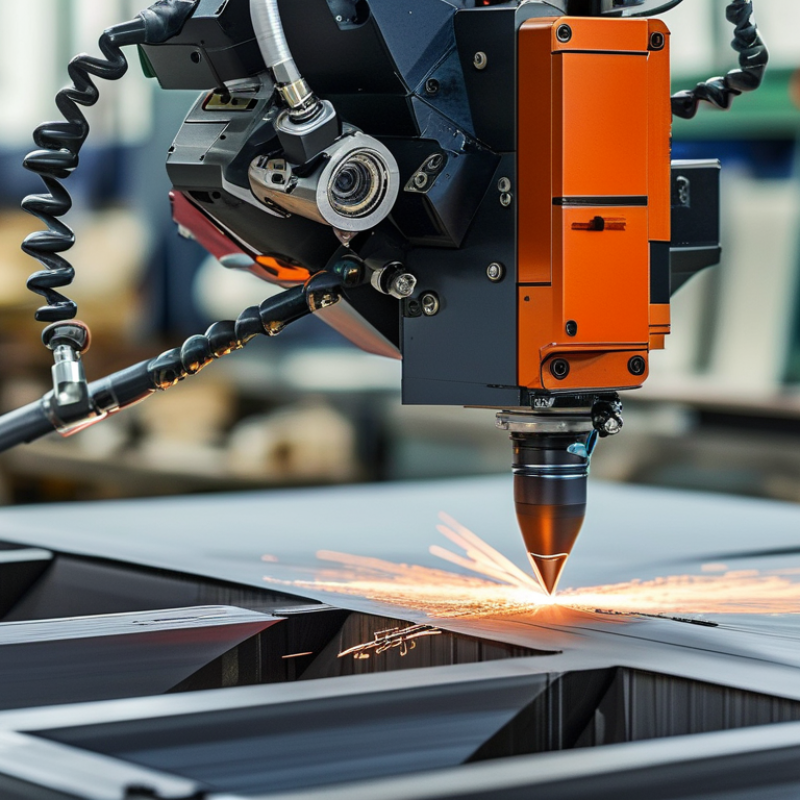
CNC Laser Pipe Cutter Market Overview and Growth Trends
The CNC laser pipe cutter market is expanding rapidly. This growth stems from advancements in technology and increased demand for precise cutting solutions. Many industries, such as automotive and construction, are adopting these machines for their efficiency.
Tips: When considering a CNC laser pipe cutter, it’s essential to evaluate the type of materials you will be using. Different laser technologies work better with specific materials.
The trend toward automation is noteworthy. Many manufacturers are investing in these machines to enhance productivity. However, not all models are created equal. Features such as speed, precision, and software capabilities can vary significantly.
Tips: Always check the available support and training from suppliers. Investing time in understanding the machine can reduce future operational challenges.
Quality control is crucial in this market. As competition heightens, companies must ensure their products meet industry standards. It might be wise to request samples or pre-purchase trials to verify performance.
Key Features and Specifications of CNC Laser Pipe Cutters
When choosing a CNC laser pipe cutter, several key features and specifications demand attention. Precision is paramount in the cutting process. A typical CNC laser cutter can achieve accuracy levels of up to ±0.1 mm. This precision is vital for industries such as automotive and aerospace, where tolerances are tight. Moreover, the power of the laser significantly impacts its cutting speed. A laser with 1,000 watts can cut through mild steel up to 12 mm thick at a rapid rate.
The system’s software is equally essential. Advanced options allow for intricate designs and automated nesting, reducing material waste. Recent industry reports suggest that automation in manufacturing can decrease operational costs by up to 30%. This feature not only enhances productivity but also minimizes human error, which is crucial in high-stakes production environments.
Tip: Always consider user manuals and technical specifications when evaluating CNC laser cutters. Understanding these details can lead to better purchasing decisions.
Maintenance is another aspect that often gets overlooked. Regular checks can prevent unexpected downtime. Some operators might not realize that a dirty lens can reduce cutting quality. As stated by various studies, up to 20% of production delays stem from equipment malfunctions. Always have a maintenance schedule to keep operations smooth. This proactive approach can ultimately enhance longevity and reliability.
CNC Laser Pipe Cutter Specifications
| Feature | Specification |
| Cutting Type | Fiber Laser |
| Maximum Pipe Diameter | 400 mm |
| Cutting Thickness | Up to 12 mm |
| Positioning Accuracy | ±0.02 mm |
| Repeatability | ±0.01 mm |
| Max Cutting Speed | 80 m/min |
| Laser Power | 1000 W - 3000 W |
| Control System | CNC Control |
| Dimensions | 3000 x 1500 x 1400 mm |
| Weight | 1500 kg |
Considerations for Selecting a CNC Laser Pipe Cutter
When selecting a CNC laser pipe cutter, several key factors come into play. The thickness and diameter of the pipes you plan to cut are crucial. Thicker pipes require more powerful laser systems. Understanding the material types is also essential. Different materials have varying levels of reflectivity and absorption. This affects cutting efficiency and quality.
Additionally, consider the precision level your operations demand. A higher accuracy specification can significantly impact the final product. Speed is another critical aspect. Faster cutting speeds can boost production but may compromise quality. Striking the right balance is vital.
Reflecting on your unique needs and challenges can guide decision-making. Not every model will meet ideal specifications. Investigate available features, such as automation and software integration, to ensure they align with your processes. Ask questions about maintenance requirements and service support. Ensuring reliable technical support is often overlooked but crucial for operational efficiency.
Global Suppliers and Manufacturers of CNC Laser Pipe Cutters
When exploring global suppliers of CNC laser pipe cutters, it's vital to understand the diverse options available. Many manufacturers provide a range of models, each suited for different applications. Cutting precision and speed vary significantly, influencing production efficiency. Choose a supplier that demonstrates expertise in technology innovations and manufacturing standards.
Look for providers with established reputations in the industry. Reviews and testimonials can provide valuable insights. However, not all feedback is reliable. Some may exaggerate capabilities. Consider reaching out to past customers for real experiences. This communication can help paint a clearer picture of a supplier’s reliability.
In addition to product quality, assess the level of customer support offered. Reliable suppliers should provide guidance during installation and operation. The after-sales service should also be effective. Ideally, a supplier will offer training resources or support staff. An informed choice often requires careful research and consideration of various factors beyond mere specifications.
Cost Analysis and ROI of CNC Laser Pipe Cutter Investments
Investing in CNC laser pipe cutters can significantly enhance a manufacturing business's operational efficiency. According to a report by MarketsandMarkets, the global CNC laser cutting market is projected to reach $7 billion by 2025. This growth highlights a robust demand for precision cutting technologies. An essential part of this investment is understanding the return on investment (ROI). Typically, companies experience an ROI of 20-30% within the first two years post-purchase.
The efficiency of CNC laser cutters is often reflected in production speed and quality. A well-functioning machine reduces waste and increases yield, leading to more efficient use of materials. Industry studies indicate that businesses can cut operational costs by up to 15% when switching from conventional methods to laser technology. However, the initial outlay for these machines can be substantial, which can deter some businesses from making the leap.
It’s crucial to consider maintenance and operational costs. While CNC laser cutters can be highly efficient, they also require skilled personnel for operation and upkeep. Training costs must be weighed against potential savings. Not all investments lead to immediate benefits, and the learning curve can introduce temporary inefficiencies. Balancing these factors will lead to a clearer picture of long-term gains.