What is an Exercise Bike and How to Choose the Right One?
The Exercise Bike has become a staple in home fitness regimens. According to the Global Fitness Equipment Market report, the demand for stationary bikes is rising. In 2021, the market was valued at approximately $2.3 billion, with a projected growth rate of 6.4% from 2022 to 2030. This growth reflects a shift towards convenient workouts and healthier lifestyles.
Choosing the right exercise bike can be overwhelming. Various models offer different features, and prices can vary significantly. Consumers often overlook essential factors like bike size, resistance type, and technology features that enhance the experience. Potential buyers may question how much they should invest. A high-quality bike can range from $200 to $2,000. These decisions require careful consideration.
Ultimately, selecting an exercise bike involves understanding personal fitness goals and preferences. Researching brands and reading user reviews can provide insight. However, many people still select bikes based on initial impressions. This common mistake can lead to regret later. Therefore, it’s vital to reflect on the long-term benefits of an informed purchase.
What is an Exercise Bike? Understanding the Basics and Benefits
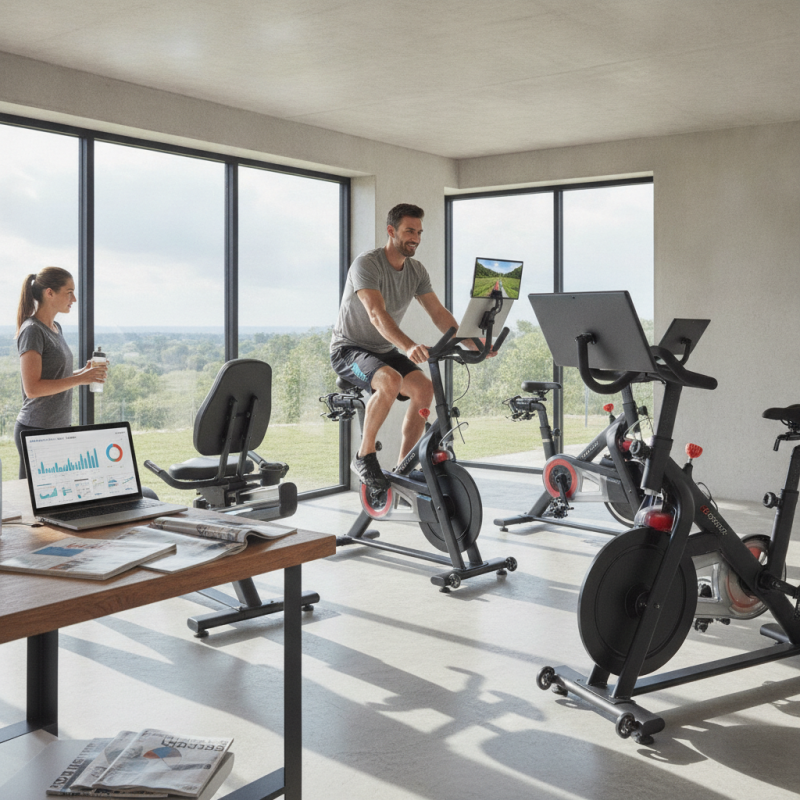
Exercise bikes are popular fitness tools designed for indoor cycling. They provide an efficient cardiovascular workout, improving heart health and endurance. These bikes mimic the experience of road cycling, allowing users to pedal in a controlled environment. The simplicity of an exercise bike makes it accessible to various fitness levels, from beginners to advanced athletes.
Choosing the right exercise bike involves understanding your specific needs. Consider factors like comfort, adjustability, and features. A well-padded seat can enhance your experience. Some bikes offer digital displays to track progress, which helps in setting realistic fitness goals. But, not all models suit everyone. Reflect on your preferences and workout style before making a decision.
While many believe exercise bikes are only for cardio, they can also support strength training. Adjusting the resistance can turn a light cycle into a powerful leg workout. Observe your body’s reactions over time. If you're consistently bored or fatigued, it might be time to reconsider your choice. Fitness should be engaging and beneficial, not just a routine.
Different Types of Exercise Bikes: Spin, Upright, and Recumbent Explained
When considering an exercise bike, it's essential to understand the different types available: spin, upright, and recumbent. Spin bikes focus on high-intensity workouts. They have a heavy flywheel for smooth resistance. Many fitness enthusiasts prefer them for their ability to mimic road cycling. A study by the American Council on Exercise (ACE) indicated that indoor cycling can burn up to 600 calories per hour, making spin bikes an effective choice for weight loss.
Upright bikes are another popular option. They resemble traditional bicycles, promoting a natural cycling posture. They are suitable for users of varying fitness levels. Research shows that upright bikes are often preferred for cardiovascular training. They engage core muscles as well, which aids in overall strength. Some users might find them less comfortable for long sessions.
Recumbent bikes offer a different approach. With their reclining design, they reduce strain on the back and joints. This makes them appealing for those with back issues or limited mobility. Industry reports suggest that recumbent bikes can enhance comfort during longer workouts. However, some may feel that the seated position limits the intensity of the workout compared to spin and upright bikes. Each type has its pros and cons, which users should consider based on their fitness goals and comfort preferences.
Key Features to Consider When Choosing an Exercise Bike
When selecting an exercise bike, several key features deserve careful consideration. Stability is crucial. A sturdy frame ensures that the bike remains upright during intense workouts. Look for bikes with a weight limit that accommodates your size. Adjustable seats are another important element. They allow you to find the right position, enhancing comfort and preventing injury during longer rides.
Resistance types matter significantly too. Magnetic resistance offers a smooth, quiet ride, while friction resistance may require more maintenance. Determine your preferred style of riding—upright or recumbent—based on your fitness goals and comfort preferences. Lastly, connectivity features are becoming popular. Many modern bikes offer apps and integration with fitness trackers, enhancing your experience. However, think critically about whether you truly need these digital features, as they can sometimes complicate an otherwise straightforward workout.
For beginners, simplicity often trumps complexity. A bike with too many features may confuse you or deter you from regular use. Reflect on your motivation levels and avoid distractions that may lead to inconsistency. Choosing the right bike is not just about features; it's finding the one that aligns with your fitness journey.
Industry Insights: Statistics on Exercise Bike Usage and Market Trends
The popularity of exercise bikes has surged in recent years. Statistics reveal that more people are prioritizing fitness at home. Reports show that the global exercise bike market is expected to grow significantly. This trend indicates a shift towards at-home workouts, especially post-pandemic. Many users appreciate the convenience and flexibility of having a bike at home.
When selecting an exercise bike, consider your fitness goals. Are you aiming for weight loss or endurance? The type of bike plays a crucial role. Look at the features that matter most to you. Comfort and adjustability are key. Remember, a poorly fitted bike can lead to discomfort and discourage use.
Tips for choosing the right bike: Try a test ride at a local store. This helps you gauge comfort and handling. Opt for a model with adjustable resistance levels. This allows you to progress as you build strength. Also, consider the bike’s size. Ensure it fits your space. Reflect on your commitment level too. Only invest in a model you will use regularly.
Tips for Maintaining Your Exercise Bike for Longevity and Optimal Performance
Maintaining your exercise bike is crucial for durability and top performance. Regular upkeep can extend the bike's lifespan significantly. Dust and grime can accumulate quickly. Wipe down the frame and seat after each use. This helps prevent long-term damage and keeps everything looking new.
Check the bike’s moving parts regularly. Look for wear on the pedals and handlebars. A little attention goes a long way. Lubricating the chain every few weeks is advisable. This minimizes friction and ensures smooth operation. It’s easy to forget these small tasks. Yet, they make a big difference.
Ensure the bike remains stable during workouts. Adjust the feet if the bike wobbles. A solid setup prevents unnecessary strain on the components. Monitor the console for any errors or malfunctions. Addressing issues early prevents bigger problems later. Taking these simple steps leads to a more enjoyable workout experience.
What is an Exercise Bike and How to Choose the Right One? - Tips for Maintaining Your Exercise Bike for Longevity and Optimal Performance
| Feature | Description | Importance |
| Resistance Levels | Adjustable resistance levels allow for customizable workouts. | Essential for varied intensity and progress tracking. |
| Seat Comfort | Well-cushioned seats enhance comfort during workouts. | Important for longer workout sessions and preventing injury. |
| Display Console | Shows metrics like time, distance, heart rate, and calories burned. | Helps motivate and track fitness goals. |
| Frame Stability | A sturdy frame ensures safety and performance during use. | Critical for durability and effective workouts. |
| Portability | Features like wheels or folding design for easy storage. | Convenient for home use and space management. |
| Maintenance Tips | Regular cleaning, lubrication, and checking for wear. | Prolongs life and maintains optimal performance. |