
How to Find a Reliable Garage Door Handyman?
Finding a reliable garage door handyman starts with more than a quick online search. A dependable professional should explain the problem clearly, show relevant experience, and provide a written estimate. Look for current insurance coverage, verified reviews, and familiarity with your door’s brand, springs, tracks, and opener system. A neat work area matters too. Loose cables and scattered tools can signal careless habits.
Industry trainer Brian Smith offers a practical reminder: “A trustworthy handyman explains the repair before reaching for a wrench.” That advice is simple, but important. Ask what failed, why it failed, and whether replacement or adjustment is the safer option. A skilled technician should inspect the rollers, hinges, cables, spring tension, safety sensors, and mounting points. They should never pressure you into an urgent decision without showing visible evidence.
Be cautious with unusually low prices. Cheap labor can become expensive after repeated visits or incomplete repairs. Still, price alone proves little. Some excellent local professionals work from small vans and have modest websites. That is where judgment becomes necessary. Call two or three candidates, compare their answers, and notice whether they listen carefully.
A reliable garage door handyman will discuss safety limits honestly. They will not recommend amateur spring repairs or bypass protective sensors. Ask about warranties, cleanup, arrival windows, and follow-up support. One missed detail can matter. Your garage door is heavy, powered, and used every day, so competence should come before convenience.
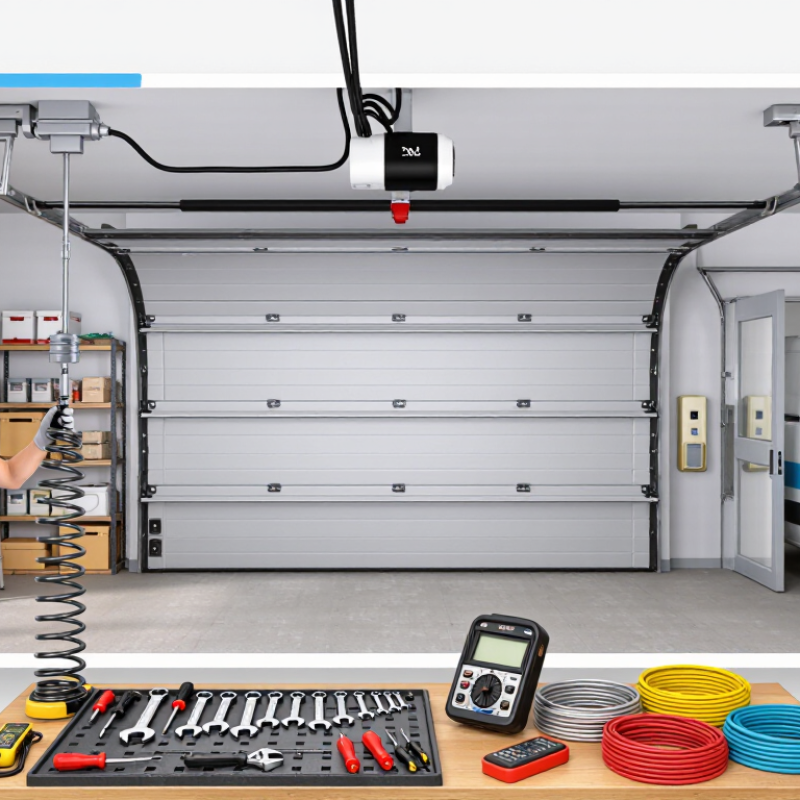
Define the Garage Door Repair or Handyman Services You Need
Before hiring a garage door handyman, define the exact failure. Is the door noisy, uneven, stuck, or unable to reverse? A careful technician should inspect springs, cables, rollers, tracks, hinges, panels, and the opener separately. These parts require different skills and prices. Spring and cable work can be dangerous, so ask for relevant training, insurance, written estimates, and safety testing.
The 2024 Cost vs. Value industry report recorded about a 194% cost recoup for garage door replacement. That figure concerns replacement, not every repair. It still shows why a proper diagnosis matters. Replacing a damaged panel may be sensible, while replacing the entire door may waste money. I have seen homeowners describe a weak opener as a “bad door.” Sometimes the real problem is a bent track or worn roller.
Tips: Write down the symptoms and when they occur. Ask whether the quote covers labor, parts, disposal, and follow-up service. Request a safety reversal test after repairs. The U.S. Consumer Product Safety Commission recommends testing this feature regularly, yet many households overlook it. Do not choose a handyman based only on the lowest price. A rushed inspection can leave hidden damage, and that uncomfortable possibility deserves attention.
How to Find a Reliable Garage Door Handyman? - Define the Garage Door Repair or Handyman Services You Need
| Service or Need | What the Service Usually Includes | Common Warning Signs | What a Reliable Handyman Should Check | Questions to Ask Before Hiring | Expected Result |
|---|---|---|---|---|---|
| Routine inspection and maintenance | Visual inspection, hardware tightening, lubrication of suitable moving parts, balance testing, and safety-function checks. | Squeaking, vibration, slow movement, loose fasteners, or increasing operating noise. | Tracks, rollers, hinges, cables, springs, brackets, door balance, and the automatic reversing function. | What is included in the inspection? Which parts require adjustment, lubrication, or replacement? | Smoother operation and early detection of wear or safety problems. |
| Door will not open or close | Fault diagnosis for mechanical obstructions, damaged components, power issues, controls, or opener-related problems. | The door is stuck, moves only partway, reverses unexpectedly, or makes unusual sounds. | Manual operation, track alignment, springs, cables, sensors, control wiring, and the opener response. | Will you provide a diagnosis before recommending parts? Is emergency service available? | A documented cause of failure and a repair plan that addresses the underlying problem. |
| Spring inspection or replacement | Inspection of torsion or extension springs and replacement when a spring is broken, weakened, or incorrectly matched. | A visible gap in the spring, a heavy door, a loud snap, or a door that will not stay open manually. | Spring type, door weight, lifting configuration, shaft and brackets, cable condition, and balance after installation. | Are you qualified and equipped to work with high-tension springs? What safety precautions are used? | Correctly matched springs and a balanced door; unsafe spring work should not be attempted as a do-it-yourself task. |
| Cable, roller, hinge, or track repair | Replacement or adjustment of worn rollers, damaged hinges, loose cables, bent tracks, and related fasteners. | Uneven movement, scraping, a tilted door, frayed cables, or rollers leaving the track. | Track spacing, fastener condition, roller wear, cable routing, door alignment, and signs of structural damage. | Will the damaged component be repaired or replaced? Are compatible parts included in the estimate? | Stable, aligned movement without forcing the opener or placing extra load on the door. |
| Automatic opener troubleshooting | Testing of the motor unit, wall control, remote controls, photoelectric sensors, drive mechanism, and mounting points. | The motor runs but the door does not move, the remote fails, the light flashes, or the door reverses. | Power supply, sensor alignment, travel limits, force settings, drive components, and compatibility of replacement parts. | Is the opener repairable, or is replacement more practical? Will safety settings be tested afterward? | Reliable opening and closing with properly adjusted safety controls. |
| Panel, frame, seal, or weatherproofing work | Assessment of dented panels, damaged framing, worn bottom seals, perimeter seals, and gaps that allow drafts or water entry. | Visible dents, daylight around the door, drafts, water marks, rust, or increased outdoor noise. | Panel compatibility, frame condition, seal contact, moisture damage, insulation needs, and door weight. | Can the damaged section be repaired, or does the full door need replacement? Will the repair affect balance? | Improved fit, appearance, weather resistance, and safe operation. |
| Safety and security assessment | Review of pinch points, emergency release, automatic reversal, locking components, lighting, and visible tampering or forced-entry damage. | The door does not reverse, the lock does not engage, the emergency release is inaccessible, or the door closes unevenly. | Safety sensors, reversing response, brackets, cables, locks, emergency release, and any exposed moving parts. | Which safety tests will be performed? What should be repaired immediately to prevent injury or property damage? | A safer door system and a clear list of urgent versus optional improvements. |
| Choosing and verifying a handyman | Comparison of written estimates, relevant experience, insurance, workmanship warranty, availability, and customer references. | Vague pricing, pressure to approve unnecessary work, no written scope, no proof of coverage, or requests for full payment upfront. | A trustworthy provider explains the fault, separates labor from parts, identifies safety risks, and documents completed work. | Are you insured where required? Do you provide a written estimate, service warranty, references, and an itemized invoice? | A transparent hiring decision based on scope, qualifications, safety practices, and total cost. |
Related Posts
-
How to Find a Reliable Garage Door Specialist?
-
How to Maintain Garage Doors from China Top Suppliers?
-

Top Local Garage Door Suppliers Worldwide
-

What is a Local Garage Door and How to Choose the Right One?
-

Top 10 Tips for Hiring a Handyman to Fix Your Garage Door?
-
2026 Best Garage Door Parts for Homeowners Explained