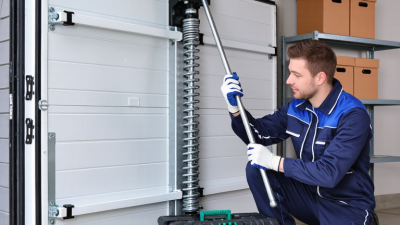
How to Find Reliable Garage Door Fixers?
A broken garage door can turn a normal morning into a frustrating delay. The door may stop halfway, grind loudly, or sag beside the driveway. Finding dependable garage door fixers requires more than choosing the first online listing. You need evidence of skill, honest communication, and safe working practices.
Look for technicians with verifiable experience on your door type, whether it uses torsion springs, extension springs, or a smart opener. Check recent customer reviews, business details, insurance information, and relevant local credentials where required. A trustworthy company should explain the fault clearly, provide a written estimate, and identify replacement parts before starting. Ask whether the repair includes testing the safety reversal system. That small test can reveal a serious problem.
Watch how the technician handles your questions. Professional garage door fixers should not pressure you into replacing a complete system without explaining practical alternatives. They should inspect cables, rollers, tracks, hinges, and mounting points, not only the visible damage. A rushed repair may look successful for one evening. It may fail again.
No checklist is perfect. Reviews can be incomplete, and a polished website proves little. A useful approach combines several signals, then compares them with your own observations. Notice whether the technician arrives with suitable tools, protects the driveway, and documents the completed work. Keep the invoice and warranty details. They can become valuable if the same fault returns. Reliable service is not merely quick; it is careful, transparent, and built around safe long-term performance.
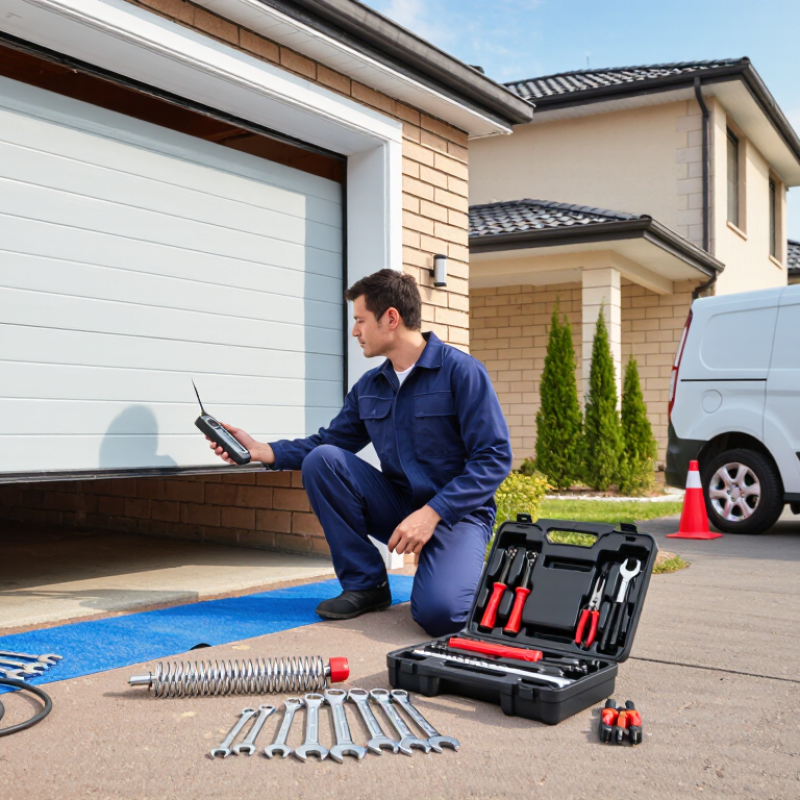
Define the Garage Door Repair Service You Need
Before searching for a reliable garage door fixer, define the exact service your door needs. A door that refuses to open may have a broken spring, damaged cable, weak opener, or blocked safety sensor. These problems look similar from the driveway, but they require different skills and tools. Note the symptoms, unusual sounds, and when the failure started. A short video can help a technician prepare.
Be specific when requesting service. Ask whether the visit covers inspection, repair, replacement parts, and testing. For a spring problem, the technician should explain the spring type, expected service life, and safety risks. For an opener issue, request checks on the motor, remote control, wiring, and reversing function. Do not accept a vague promise to “fix everything.” Clear details protect your time and budget.
A dependable fixer should provide a written estimate before major work begins. Look for relevant training, practical experience, clear communication, and a reasonable workmanship guarantee. The technician should inspect the full door, not replace the first visible part. Ask for photos of hidden damage when possible. I have seen homeowners focus only on a noisy opener while worn rollers caused the real strain. That mistake is easy to make. It is worth reconsidering. A careful repairer welcomes questions, explains limitations, and leaves the door operating smoothly and safely.
How to Find Reliable Garage Door Fixers?
Define the garage door repair service you need by matching the symptom with the components a qualified technician should inspect. The chart shows the number of relevant inspection points for each common service type.
A reliable garage door fixer should clearly identify the affected components, explain whether repair or replacement is appropriate, provide a written estimate, and test the door’s safety features after completing the work.
Check a Fixer’s Qualifications, Experience, and Local Reputation
Adependable garage door fixer should show more than a friendly smile. Ask for trade qualifications, required local registration, and current insurance. Requirements vary by area, so verify them with the relevant local office. A qualified technician should explain torsion springs, cables, tracks, and opener safety without hiding behind jargon. Watch their hands. They should disconnect power before servicing an opener and secure the door before touching springs. These small actions reveal professional habits.
Experience matters because garage doors fail in different ways. Ask how many years they have handled your door type, not merely worked in construction. Request a clear diagnosis, itemized estimate, and realistic repair timeline. A careful fixer measures spring tension, checks worn rollers, and tests the balance after adjustment. They should explain what can wait and what creates an immediate safety risk. I once accepted a vague quote, and the cheap repair needed correction within weeks. That mistake taught me to value evidence over confidence.
Local reputation adds another layer of trust. Read recent reviews, but look for repeated details: punctual arrival, clean work, honest pricing, and follow-up service. Speak with neighbors or property managers who have seen the technician work. Confirm the business address and a reachable phone number before scheduling. Be cautious when reviews sound identical or complaints receive no thoughtful response. No fixer is perfect. Still, a reliable professional welcomes questions, documents the repair, and admits when a problem needs specialist attention.
Compare Estimates, Warranties, and Repair Timelines
Reliable garage door repair begins with comparable written estimates, not the lowest number. Ask each technician to inspect the door, tracks, springs, opener, and safety sensors. The estimate should separate parts, labor, service fees, taxes, and possible disposal costs. A vague “complete repair” is a warning. I once trusted a quick phone quote. It changed after inspection.
Compare warranty terms as carefully as prices. Ask whether coverage applies to parts, labor, or both. Check the warranty length, exclusions, and response process. Some warranties exclude damage caused by poor maintenance or incorrect use. Get these details in writing. A long warranty means little if its conditions are unclear.
Repair timelines deserve equal attention. Request a start window and an expected completion time. Ask what may cause delays, such as unavailable parts or additional damage. For safety, a technician should explain whether the door can remain closed until service. Keep copies of the estimate, warranty, and messages. I would also check experience with similar door systems and confirm required local credentials. The best choice is not always the fastest or cheapest. It is the contractor who explains changes before doing extra work. Put every promise on paper.
Confirm Safety Standards, Insurance, and Contract Details
A reliable garage door fixer should explain safety procedures before discussing price. Ask whether technicians follow recognized installation and repair standards. They should inspect springs, cables, tracks, rollers, and automatic reversing sensors. A careful technician will test the door balance and movement, not simply replace one visible part. Ask for proof of current liability insurance and worker coverage. Check the policy dates, coverage limits, and exclusions. Verbal reassurance is not enough.
Request a written contract before work begins. It should identify the exact fault, labor charges, parts, taxes, warranty terms, and payment schedule. Emergency fees and disposal costs should appear clearly. Confirm who obtains any required approval and whether replacement parts match the door’s specifications. Take photos of the existing damage. This prevents confusion later. I have seen homeowners focus on a low quote and overlook missing warranty details. That is an easy mistake, but it can become expensive.
Tips: Ask the fixer to demonstrate the repaired door twice. Watch the safety reversal test closely. Keep every receipt, message, and inspection note. Do not sign a blank work order. If the technician pressures you to pay immediately, pause the job and request clearer terms. A trustworthy professional welcomes questions, although some explanations may still feel incomplete. Ask again. Safety deserves precision.
Choose the Fixer and Monitor the Completed Repair
Choosing a reliable garage door fixer requires more than comparing prices. Ask how they diagnosed the problem, not only how quickly they can replace a part. A qualified technician should explain the fault in plain language and provide a written estimate. Check their training, insurance, service history, and repair warranty. Local references can reveal punctuality, careful work, and honest billing. Vague answers deserve caution.
Stay involved while the repair is completed. Ask the fixer to show the damaged component before removing it. Photographing the old part may help you understand the repair later. Watch whether they inspect springs, cables, tracks, rollers, and mounting points, rather than changing one visible item blindly. Safety matters more than speed. Keep children and pets away from the work area.
Before payment, test the door several times with the technician present. It should move smoothly, remain balanced, and stop or reverse when the safety system detects an obstacle. Listen for scraping, popping, or unusual vibration. Ask what maintenance the door needs and when to call again. Confirm the invoice lists parts, labor, and warranty terms. I once accepted a neat-looking repair too quickly, then noticed a loose bracket the next morning. That mistake taught me to inspect every fastener and ask one more question. A rushed handover can hide small problems.
How to Find Reliable Garage Door Fixers? - Choose the Fixer and Monitor the Completed Repair
| Repair Stage | Evaluation Dimension | What to Check | Reliable Result | Record or Evidence |
|---|---|---|---|---|
| Before Hiring | Legal and safety credentials | Ask whether licensing, registration, permits, and insurance are required in the local area. Request relevant proof before work begins. | The fixer provides verifiable documentation and explains which requirements apply to the repair. | License or registration details, insurance confirmation, and permit information when applicable. |
| Before Hiring | Written diagnosis and estimate | Compare the reported fault, required parts, labor, disposal charges, taxes, and any possible additional fees. | The estimate is itemized, understandable, and states that extra work requires approval before proceeding. | Dated estimate showing scope of work, price, payment terms, and change-order conditions. |
| Before Hiring | Parts and repair method | Ask whether the proposed part is compatible with the existing door, tracks, springs, cables, rollers, and opener system. | The fixer explains compatibility, expected service life, and why repair or replacement is necessary. | Part description, quantity, specifications, and disposal plan for removed components. |
| During Repair | Worksite safety | Confirm that the work area is controlled and that the door is secured before work on springs, cables, or lifting components. | The fixer uses suitable tools and does not leave loose cables, exposed hazards, or unsecured panels. | Progress photographs and notes about replaced or adjusted components. |
| After Repair | Manual door movement | With the opener disconnected according to the operating instructions, check that the door moves smoothly without binding, scraping, or sudden falling. | The door travels evenly, remains reasonably stable when partially open, and does not show abnormal noise or resistance. | Customer test result and any remaining movement or noise concerns. |
| After Repair | Automatic opener and reversal function | Test opening and closing from the controls. Test the automatic reversal feature using the procedure and test object specified in the opener’s instructions. | The door opens and closes smoothly, stops at the intended limits, and reverses as required during the safety test. | Test date, result, control devices tested, and any adjustment made. |
| After Repair | Photo-eye and control checks | Check that safety sensors are aligned, unobstructed, securely mounted, and functioning according to the opener instructions. | The opener responds correctly to the sensor test and the sensors are not loose, dirty, or blocked. | Sensor alignment confirmation and a photograph of the completed installation. |
| Completion | Workmanship and cleanup | Inspect fasteners, brackets, tracks, cables, weather seals, and the surrounding floor area. | Components are secure, the door is properly aligned, removed materials are cleared, and no new damage is visible. | Final photographs and a signed completion checklist. |
| Completion | Warranty and after-service support | Confirm what is covered, the warranty period, exclusions, response process, and whether labor and parts are treated separately. | The warranty is written in clear language and matches the work and parts listed on the invoice. | Invoice, warranty document, service contact details, and follow-up date if required. |
| Follow-Up | Performance monitoring | Monitor unusual noise, uneven movement, repeated reversal, loose hardware, cable slack, or changes in closing speed during the first several uses. | The repaired door continues to operate consistently without new safety or performance problems. | Date-stamped notes, photographs, and prompt communication with the fixer if a defect appears. |
Safety note: Do not adjust or replace torsion springs, extension springs, cables, or other high-tension components without appropriate training and equipment. Follow the door and opener manufacturer’s instructions and applicable local requirements.
Related Posts
-
How to Choose Reliable Garage Door Fixers?
-
Top 5 Garage Door Parts You Need for Maintenance: Boost Performance by 30%
-
2026 Best Garage Door Parts for Homeowners Explained
-
How to Choose the Right Garage Door Parts?
-
How to Choose the Best Garage Door Accessories for Your Home?
-
How to Maintain Garage Doors from China Top Suppliers?