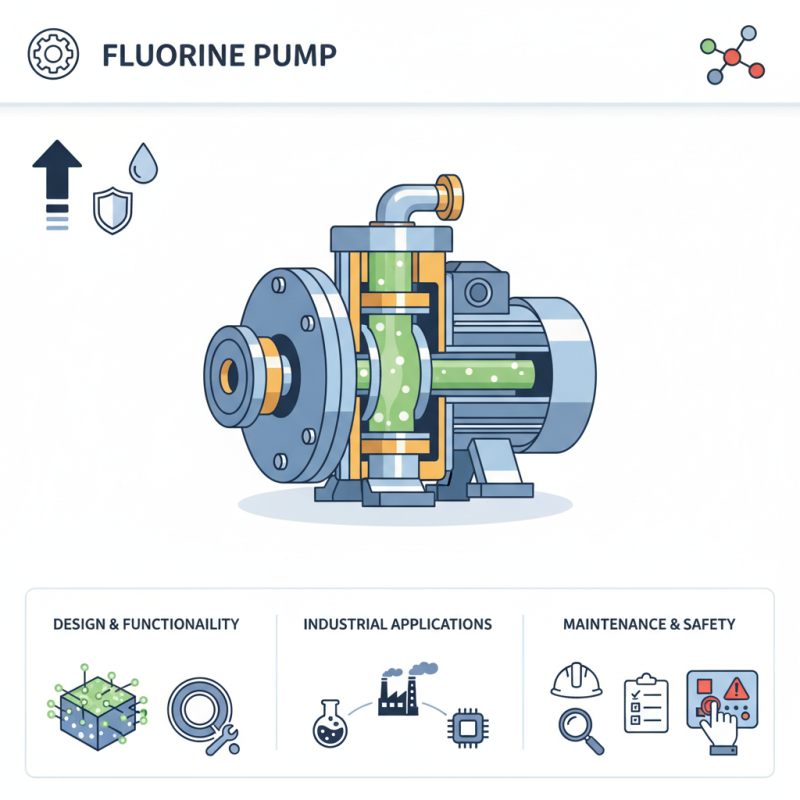
What is a Fluorine Pump and How Does It Work?
The Fluorine Pump is an intriguing device that plays a vital role in various industrial applications. It is essential in processes involving corrosive and reactive substances. This pump ensures safe and efficient handling of hazardous materials, making it a critical component in chemical engineering.
Understanding how the Fluorine Pump operates requires a closer look at its design and functionality. These pumps are engineered to withstand extreme conditions, enabling successful fluid transfer without leakage. They utilize advanced materials and technologies to achieve this level of reliability.
Despite its effectiveness, the Fluorine Pump is not without its challenges. Users must be aware of maintenance needs and potential risks. Regular inspections and thoughtful operation are necessary to enhance safety. This highlights the importance of user expertise in managing such equipment.
What is a Fluorine Pump?
A fluorine pump is a specialized device designed to handle the unique properties of fluorine gas. Fluorine is highly reactive and corrosive, making it challenging to transport and store. These pumps are essential in various industries, including chemical manufacturing and semiconductor production, where precise control of fluorine is critical.
In operation, a fluorine pump uses materials resistant to corrosion, allowing for safe handling of this reactive element. Typically, valves and seals are constructed from Teflon or other fluoropolymer materials. This ensures durability and reliability under extreme conditions. Users must regularly monitor these components for wear and tear, as they can degrade over time.
Tips: Always ensure that safety protocols are followed when working with fluorine pumps. Wear appropriate protective gear. Proper maintenance can prevent leaks that may lead to hazardous situations. Regular training on handling fluorine is also beneficial for all operators. Remember, even a small oversight in operation can have significant consequences.
The Working Principle of Fluorine Pumps
Fluorine pumps play a vital role in various industries, particularly in handling corrosive and reactive substances. These pumps are specifically designed to move fluorine and its compounds safely. The working principle hinges on materials resistant to chemical corrosion. Typically, perfluoroalkoxy (PFA) or polytetrafluoroethylene (PTFE) is used for pump components.
The operation begins with the creation of a vacuum that draws fluorine gas into the pump. A series of precision-engineered valves ensure controlled flow. According to a report from the International Journal of Chemical Engineering, fluorine pumps can efficiently handle pressures of up to 500 psi while maintaining safety protocols. This is crucial, as fluorine gas can be highly reactive, presenting risks if not managed properly.
It's important to note the challenges in using fluorine pumps. Despite their robust design, leaks remain a significant concern. The interaction of fluorine with various materials can lead to degradation over time. Regular maintenance and monitoring are essential to mitigate risks. The industry recommends periodic checks, even for reliable brands, due to variations in chemical behavior under different conditions. Recognizing these nuances is key to maximizing safety and efficiency in operations involving fluorine pumps.
Types of Fluorine Pumps and Their Applications
Fluorine pumps are crucial in many industrial applications, especially in the semiconductor and chemical sectors. These pumps are designed to handle corrosive and toxic fluids, primarily fluorine gas and its derivatives. There are several types of fluorine pumps, each suited to specific tasks.
Diaphragm pumps are widely used due to their reliability. They can manage the high pressures and corrosive nature of fluorine. Magnetic drive pumps offer another solution, eliminating the need for mechanical seals. This reduces leakage risks and enhances safety. According to research, the global fluorine pump market is expected to grow by 5.2% annually, reflecting increasing demand in various industries.
Tips: Always check compatibility before selecting a pump. Different materials react differently with fluorine. This prevents potential failures and enhances lifespan.
Peristaltic pumps are popular for specific applications due to their gentle handling of liquids. However, they may not be suitable for all environments. Consider your needs carefully. Testing different pumps in practical scenarios can help determine the best fit.
Advantages and Disadvantages of Using Fluorine Pumps
Fluorine pumps serve specialized functions in handling corrosive materials. Their efficiency often makes them an attractive choice in various industries. However, they come with pros and cons.
On the positive side, fluorine pumps are highly effective in transferring gases and liquids with extreme chemical reactivity. They possess high durability, ensuring longevity in demanding environments. Additionally, these pumps can operate at high pressures and temperatures, a significant advantage in many industrial processes. However, their cost can be a deterrent for smaller operations. Maintenance might also require specialized training, which adds complexity.
Conversely, one must consider potential drawbacks. The materials used in fluorine pumps often are expensive. This can limit accessibility for some businesses. Moreover, while the pumps are robust, they can still fail under certain conditions. Unexpected downtime can disrupt production cycles. Many users may not account for these factors. Understanding both the advantages and disadvantages ensures a more informed decision.
What is a Fluorine Pump and How Does It Work? - Advantages and Disadvantages of Using Fluorine Pumps
| Feature | Description |
| Type | Positive Displacement Pump |
| Materials Used | Fluoropolymers, Ceramic, Alloy Steel |
| Typical Applications | Chemical Processing, Semiconductor Manufacturing |
| Advantages | - Corrosion Resistance
- High Efficiency
- Wide Pressure Range
|
| Disadvantages | - High Initial Cost
- Complex Maintenance
- Limited Availability
|
| Operating Temperature | Up to 200°C |
| Flow Rates | Varies; typically 1-1000 L/h |
Safety Considerations and Maintenance for Fluorine Pumps
Fluorine pumps play a crucial role in chemical applications. However, safety considerations are paramount due to the highly reactive nature of fluorine. Operators must wear appropriate personal protective equipment (PPE) to avoid exposure. This includes gloves, goggles, and face shields. Regular training on safety protocols is essential to mitigate risks.
Maintenance of fluorine pumps requires diligence. Routine checks on seals and connections help prevent leaks, which can be hazardous. Operators must inspect materials for compatibility with fluorine. Fluorosilicones or specific metals might be necessary to withstand corrosive effects. Proper storage is also vital. Pumps should be kept in well-ventilated areas to dissipate any potential fumes.
Despite rigorous safety protocols, accidents can occur. It's crucial to develop an emergency response plan. Having neutralizing agents on hand is wise. Reviewing procedures regularly can improve safety effectiveness. Learning from past incidents fosters a safer work environment. Awareness of potential hazards can lead to better practices. Regular discussions about safety can enhance team preparedness.