What is a Garage Motor and How Does it Work?
A garage motor plays a vital role in our daily lives. It is the heart of garage door systems. This device allows us to open and close our garage doors with ease. Imagine returning home after a long day. You simply press a button, and the door rises seamlessly. It’s a moment of convenience many take for granted.
However, not all garage motors operate flawlessly. Weird noises sometimes happen. The door may struggle to open or close. These issues raise questions about maintenance and reliability. Many homeowners overlook the importance of regular upkeep. Eventually, neglecting a garage motor can lead to costly repairs or replacements.
Understanding how a garage motor works is essential. It reveals the mechanics behind the door’s operation. Those who know these systems can troubleshoot minor problems. They can also plan for upgrades. Investing in a quality garage motor ensures safety and efficiency. The choice of motor impacts functionality, durability, and overall experience.
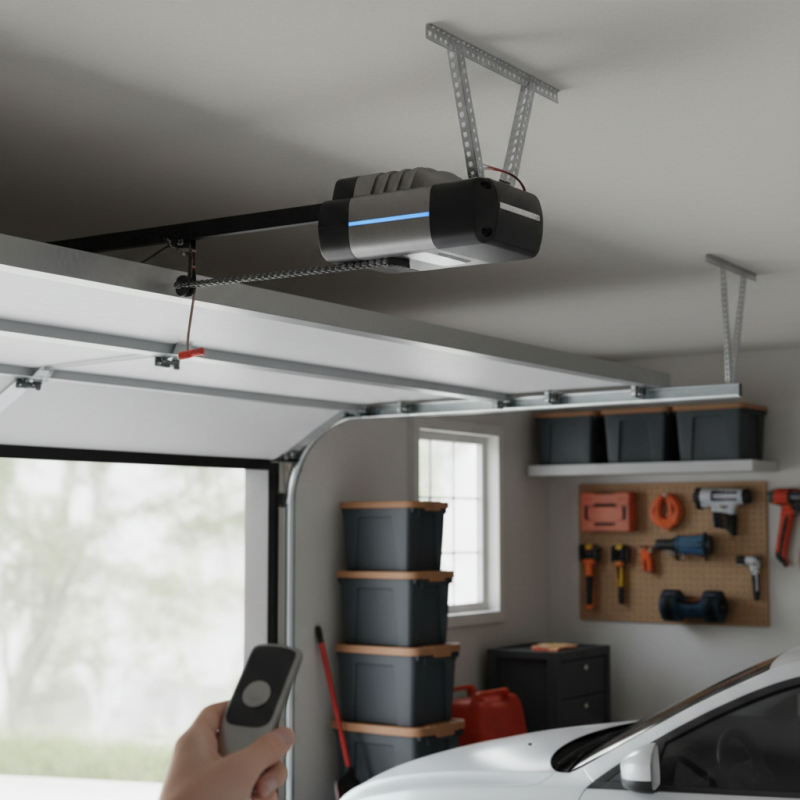
What is a Garage Motor and Its Role in Modern Homes?
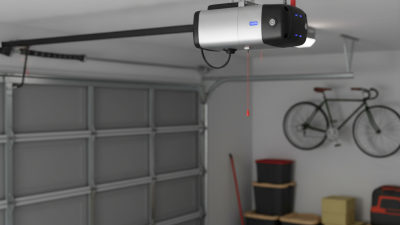
A garage motor is essential in modern homes. It powers garage doors, providing convenience and security. Most people use their garage doors daily, making this motor a key part of home life. When you press a button, the motor activates the door's mechanism to open or close. This process simplifies tasks like parking and unloading groceries.
It’s important to maintain your garage motor for smooth operation. Regularly check for any signs of wear or unusual noises. Lubricate the moving parts to prevent rust. If the door struggles, it may need adjustment. Don’t ignore small issues; they can lead to larger problems.
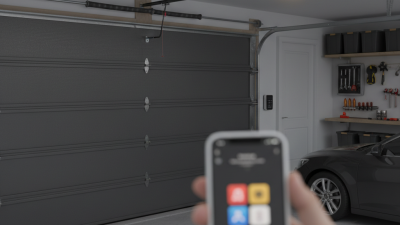
Consider investing in smart technology. New systems allow you to control the garage door remotely from your smartphone. This feature enhances security and convenience. However, remember that technology can fail. Always have a backup plan in case of power outages. Regular check-ups can help you avoid unnecessary repairs.
Types of Garage Motors: Chain Drive, Belt Drive, and Screw Drive
Garage motors play a crucial role in the functionality of your garage door. There are three primary types: chain drive, belt drive, and screw drive. Each has unique features and mechanisms that cater to different needs.
Chain drive motors are the most common. They utilize a metal chain to lift the door. This type is durable but can be noisy during operation. Many homeowners prefer this type for its reliability. However, if noise is a concern, it might not be the best choice.
Belt drive motors operate quietly and smoothly. They use a rubber belt instead of a chain. This makes them ideal for homes with bedrooms near the garage. The downside? They can be slightly more expensive due to their construction.
Lastly, screw drive motors use a threaded steel rod to move the door. They are generally low maintenance but can be slower than the other types. Choosing the right type depends on your specific needs and preferences. Each motor offers its own set of benefits and drawbacks. Consider your garage door's weight, your budget, and noise tolerance when making a decision.
Understanding the Mechanism: How Garage Motors Operate
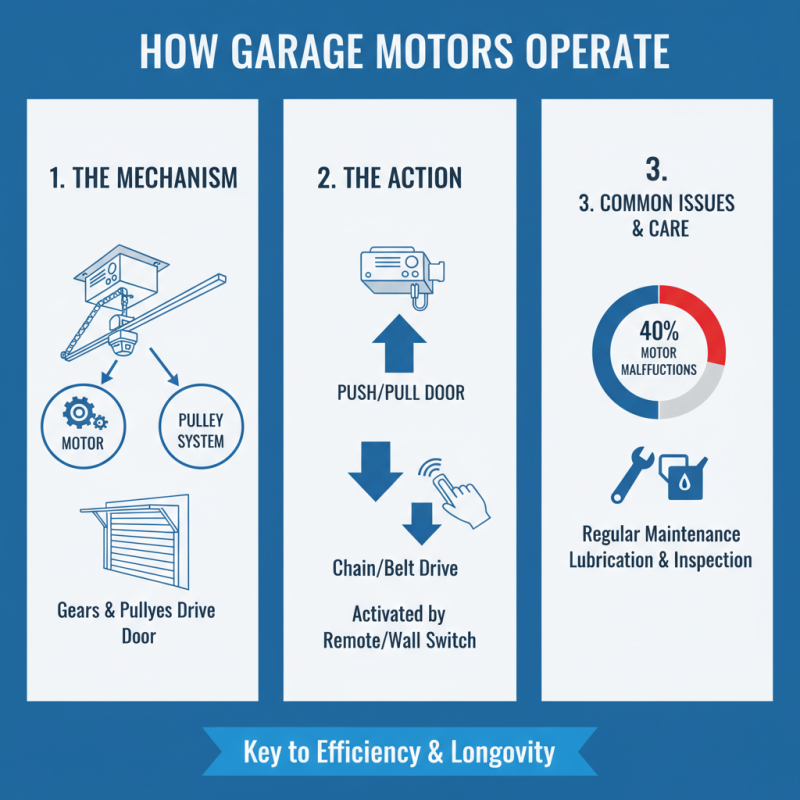
Garage motors play a crucial role in the functionality of automatic garage doors. Understanding their operation can enhance their efficiency and longevity. Typically, a garage motor operates through a system of gears and pulleys. When activated, the motor pulls or pushes the door via a robust chain or belt. According to industry reports, up to 40% of garage door issues stem from motor malfunctions. This underlines the importance of regular maintenance.
The power of garage motors varies widely, often ranging from ½ HP to 1½ HP. A higher horsepower equates to greater lifting capacity. However, excess power can lead to increased wear and tear. Gears within the motor wear down over time. A common problem is the misalignment of these components, which can lead to inefficiency. Reports suggest that nearly 30% of users experience alignment issues at some point.
It’s vital to ensure that the garage door is properly balanced. An unbalanced door increases the strain on the motor. This can lead to decreased performance and a shorter lifespan. Despite this knowledge, many homeowners overlook basic checks. Simple tasks, like lubricating moving parts, can prevent major repairs. Neglect can cause unnecessary complications, prompting us to rethink our maintenance habits.
Key Features and Benefits of Modern Garage Motors
Modern garage motors come with features that enhance convenience and security. They often include smart technology, allowing homeowners to monitor and control their garage doors via smartphone apps. According to a recent report from the International Door Association, around 30% of garage motors now support smart home integration. This trend is primarily driven by the increasing need for remote accessibility.
Another significant benefit is the incorporation of energy-efficient designs. Many modern garage motors consume less power, which can save homeowners money over time. The U.S. Department of Energy states that an energy-efficient opener could reduce energy use by up to 75%. Despite these advancements, some users report challenges in setup and compatibility with existing systems. This highlights a gap in user experience that manufacturers still need to address.
Security features have also evolved. Many garage motors now include rolling code technology that changes the access code frequently, making unauthorized access difficult. However, while these advancements improve security, some users still feel vulnerable. A survey from the Garage Door Manufacturer’s Association revealed that 40% of homeowners worry about break-ins through their garage. This indicates a need for ongoing improvements in garage motor technology to fully meet security expectations.
Maintenance Tips for Optimal Garage Motor Performance
To keep your garage motor running smoothly, regular maintenance is crucial. Check the motor’s alignment periodically. Misalignment can put extra strain on the motor, leading to increased wear and tear. Loose screws in the motor can cause rattling noises. Tightening them reduces these sounds. Pay attention to unusual noises; this may indicate a problem needing urgent attention.
Lubrication is another key aspect of maintenance. Use a silicone-based lubricant for the moving parts. This helps reduce friction and prevents overheating. Don't overdo it, though; too much grease can attract dirt and lead to more problems. Regularly clean the motor and its surroundings. Dust and debris can hinder performance.
Lastly, replace worn-out parts promptly. Ignoring minor issues can escalate into major failures. Check the safety sensors, too; they are crucial for safe operation. Keeping your garage motor in optimal condition requires diligence and care. Regular checks can save you from unexpected breakdowns.