Skip to Content
chevron-left chevron-right chevron-up chevron-right chevron-left arrow-back star phone quote checkbox-checked search wrench info shield play connection mobile coin-dollar spoon-knife ticket pushpin location gift fire feed bubbles home heart calendar price-tag credit-card clock envelop facebook instagram twitter youtube pinterest yelp google reddit linkedin envelope bbb pinterest homeadvisor angies

How to Choose Reliable Garage Door Fixers?

Choosing reliable garage door fixers is not simply a price comparison. It is a safety decision involving heavy panels, high-tension springs, cables, and powered openers.

Grand View Research valued the global garage door market at approximately USD 3.6 billion in 2023. Its forecast also indicates steady growth through 2030. More installations create more repair choices, but they do not guarantee better workmanship. The U.S. Consumer Product Safety Commission warns homeowners to test automatic reverse systems regularly. DASMA also recommends visual inspections, balance checks, and professional attention around springs and cables. These details matter when a door shudders, drops unevenly, or leaves a two-inch gap after closing.

Tom Wadsworth, a former DASMA president, describes the risk clearly: “The garage door is the largest moving object in most homes.” That sentence should change how homeowners judge service providers. A dependable technician should explain the fault, identify the correct replacement parts, show licensing or trade credentials where applicable, and provide a written estimate. Ask whether the warranty covers both labor and components. Request photographs of damaged rollers, worn cables, or fractured springs. Do not accept vague claims such as “the whole system is unsafe” without evidence.

A polished website proves very little. A low quote can conceal reused parts or rushed adjustments. Yet expensive service is not automatically expert service either. No checklist is flawless. Your judgment still matters. Compare reviews, verify local experience, and notice whether the technician answers simple questions patiently. Reliable garage door fixers make the repair understandable before they make it costly.
How to Choose Reliable Garage Door Fixers?

What Defines a Reliable Garage Door Repair Service?

A reliable garage door repair service shows competence before touching the door. IBISWorld’s 2024 Garage Door Services report describes this market as highly fragmented. Therefore, a polished website proves little. Ask for a written diagnosis, itemized pricing, and proof of current insurance. A dependable technician explains spring tension, cable wear, opener limits, and safety risks in plain English. They should also identify the exact replacement part, not simply recommend a complete replacement.

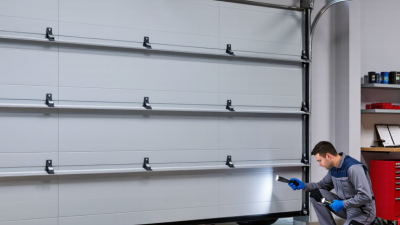
Experience appears in small details. The technician should inspect tracks, rollers, hinges, brackets, and balance. They should test the photo-eye sensors and automatic reversal function after repairs. The U.S. Consumer Product Safety Commission advises homeowners to test automatic garage door reversals regularly. This matters because a closing door can crush property, pets, or people. A vague “it looks fine” is not enough. I would still question any repairer who promises a permanent fix without inspecting the full system. That promise sounds convenient, but garage doors contain several connected failure points.

Tips: Compare two or three written estimates. Check recent local reviews for repeated details, not only star ratings. Request a service warranty and ask what it covers. Confirm that the technician will remove broken springs and cables safely. Keep the invoice, repair date, and part information. These records make future troubleshooting easier, although they cannot replace careful maintenance.

How to Verify a Fixer’s Skills, Licensing, and Insurance

How to Choose Reliable Garage Door Fixers?

A reliable garage door fixer should explain the fault in plain language. Ask about training, practical experience, and the type of door they regularly repair. A skilled technician can identify worn rollers, damaged springs, or unsafe cables without guessing. Request recent customer references, then ask those customers about arrival times, workmanship, and follow-up support. Specific answers matter.

Check whether the fixer holds the licenses required in your area. Verify the license number through the relevant government or professional authority. Do not rely only on a photograph or verbal claim. Licensing requirements differ between locations, and some repair work may require additional qualifications. Ask for proof of liability insurance and confirm its validity with the insurer when possible. Insurance should cover accidental property damage and injuries during the visit. It does not prove technical skill.

Watch the inspection carefully. A dependable fixer should test the door’s balance, safety sensors, tracks, and opener before recommending repairs. Be cautious when someone suggests immediate replacement without measuring or testing anything. Written estimates should list parts, labor, warranties, and possible extra charges. No checklist is perfect. I might still miss a small warning sign, especially under pressure. Take time, compare answers, and trust clear evidence more than confident promises.

How to Choose Reliable Garage Door Fixers? - How to Verify a Fixer’s Skills, Licensing, and Insurance
Evaluation Dimension How to Verify It Reliable Evidence Practical Benchmark Warning Sign
Business Identity Ask for the legal business name, physical service address, telephone number, and written contact details. A written estimate and consistent information across the estimate, invoice, website, and registration records. Information should be clear and consistent Only a mobile number or vague identity
Trade or Contractor License Check the applicable government licensing database or contact the local licensing authority directly. Current license number, matching legal name, valid status, and correct scope of work. Required where local law applies “A license is not necessary anywhere”
License Scope and Expiration Confirm that the license covers garage door installation, repair, electrical work, or other services being offered. License classification and expiration date can be verified through an official source. Scope and status must match the job Expired or unrelated license
Relevant Technical Skills Ask how the technician diagnoses broken springs, cables, rollers, tracks, openers, and safety sensors. Clear explanation of the fault, repair options, safety steps, and parts to be replaced. Diagnosis before repair Immediate replacement recommendation without inspection
Manufacturer Training or Certifications Ask whether the technician has relevant product training and request documentation if certification is claimed. Training records or certificates that identify the technician, subject, and completion date. Useful for complex openers and access systems Unverifiable certification claims
Safety Knowledge Ask how the technician will secure the door, release stored spring tension, and test the safety reversal system. Written safety procedure and a final operational test after the repair. Safety checks should be part of the service Working under a door without securing it
General Liability Insurance Request a current certificate of insurance and verify the policy with the insurer or authorized agent. Certificate showing the insured legal name, policy dates, coverage type, and insurer contact details. Coverage should be active during the work Certificate is missing, expired, or altered
Workers’ Compensation Ask whether employees or subcontractors will work on the property and confirm legally required coverage. Current workers’ compensation certificate or a lawful exemption confirmed through the relevant authority. Required in many jurisdictions when employees are used Uninsured workers or unclear subcontracting
Bonding Ask whether a contractor or performance bond is required locally and verify it with the issuing surety. Bond number, named contractor, amount, effective dates, and issuing company details. Requirement varies by location and project Bond is advertised but cannot be verified
Permits and Code Compliance Contact the local building department to determine whether the planned work requires a permit or inspection. Permit number, inspection record, or written explanation that a permit is not required. Follow local building and electrical rules Pressure to skip a required permit
Written Estimate Compare the scope, labor, parts, taxes, disposal fees, emergency charges, and payment schedule. Itemized estimate identifying the door or opener, quantities, warranty terms, and total price. Obtain the estimate before authorizing work Verbal price only or unexplained add-ons
Parts and Repair Method Ask whether parts are new, refurbished, or reused and whether they are compatible with the existing system. Part specifications, quantity, compatibility information, and approval for any change in scope. Parts should be suitable and disclosed Unlabeled parts or unauthorized substitutions
Workmanship Warranty Request warranty terms in writing, including duration, exclusions, and the process for service calls. Written workmanship warranty separate from any manufacturer parts warranty. Terms should be specific and readable Warranty is only verbal
References and Track Record Request recent local references for similar garage door repairs and contact them independently. References that can describe punctuality, workmanship, final cost, and after-service support. Use several recent, relevant references Only generic testimonials or no references
Payment Practices Review the deposit, progress-payment, cancellation, and refund terms before signing. Contract or estimate showing payment milestones and acceptable payment methods. Pay according to documented progress Full cash payment demanded before inspection
Final Inspection and Documentation Test balance, travel limits, auto-reverse function, remote controls, and visible hardware after completion. Completed invoice, maintenance guidance, warranty documents, and record of replaced parts. System should be tested before final payment Technician leaves without demonstrating operation
Licensing, permit, bonding, and workers’ compensation requirements vary by jurisdiction. Verify every credential with the relevant government authority, insurer, or issuing organization rather than relying only on documents supplied by the fixer.

Which Questions to Ask Before Hiring a Garage Door Fixer

How to Choose Reliable Garage Door Fixers?

Before hiring a garage door fixer, ask precise questions about experience, safety, pricing, and warranty coverage. How many similar repairs have you completed? Are you trained to handle torsion springs and cables? These parts store dangerous tension and require controlled tools. Ask whether the estimate includes labor, replacement parts, disposal, and emergency charges. Request an itemized quote in writing.

Ask for proof of liability insurance and applicable local registration. What happens if the repair fails within thirty days? A clear warranty shows accountability, but it does not replace proper workmanship. According to the 2024 Cost vs. Value Report by Zonda, garage door replacement recovered about 194% of its cost nationally. That figure concerns replacement, not every repair, yet it shows why accurate work matters. The U.S. Bureau of Labor Statistics projects 4% employment growth for general maintenance and repair workers from 2023 to 2033. General experience helps, but garage-door specialization still matters.

Tips: Ask the fixer to explain the fault beside the open door. Compare two or three written estimates. Check recent, verifiable reviews. Do not accept pressure to replace every component. A second opinion may expose an unnecessary repair. No checklist is perfect. I would still ask who will perform the work, not only who sold it. Also confirm the expected completion time, especially when your vehicle is trapped inside. Reliable answers should be specific, calm, and easy to verify.

How to Compare Repair Estimates, Warranties, and Response Times

Choosing a reliable garage door fixer starts with comparing more than the final price. Ask for a written estimate that lists labor, replacement parts, service fees, taxes, and disposal costs. A vague total can change quickly when the technician arrives. Reliable professionals inspect the tracks, springs, cables, opener, and safety sensors before recommending repairs. They explain which problem needs immediate attention and which issue can wait.

Response time matters when a door is stuck open or a vehicle is trapped inside. Ask when the technician can arrive, not merely whether service is available today. Confirm the arrival window and any after-hours charge. A two-hour window is more useful than “soon.” I once accepted a fast appointment without asking about travel fees, and the final bill surprised me. That mistake still influences how I compare estimates.

Review the warranty in practical terms. Check whether it covers parts, labor, or both, and ask how long each period lasts. Some warranties exclude rust, accidental damage, poor maintenance, or adjustments after installation. Request the conditions in writing. A professional should also provide maintenance advice, safety instructions, and a clear invoice after the repair. Trust should feel visible in the details, not just in confident promises. Reliability is sometimes less convenient, especially when the cheapest estimate lacks specifics.

How to Avoid Common Garage Door Repair Scams and Risks

How to Choose Reliable Garage Door Fixers?

A broken garage door can turn a normal morning into a costly emergency. Scammers often exploit that pressure. They may advertise unusually low prices, then add vague service charges after arriving. A reliable technician explains the fault before recommending repairs. Ask for a written estimate with labor, parts, taxes, and possible extra fees. Do not accept a rushed verbal promise.

Check practical evidence, not polished advertisements. Look for a verifiable business address, clear contact details, insurance information, and relevant trade qualifications. Ask how long the repair should take and which parts will be installed. A professional should inspect springs, cables, tracks, rollers, and the opener before quoting. Be cautious if someone diagnoses the problem from the driveway. That happened to a neighbor I know.

Payment details matter. Avoid large cash deposits before any inspection. Use a payment method that provides a clear record. Never share unnecessary personal information.

If the technician pressures you to replace the entire door immediately, pause and seek another assessment. Some replacements are justified, but not every noisy roller needs a new system. I have sometimes focused too quickly on the cheapest option, and that choice created another repair later. Good judgment includes asking uncomfortable questions. Trust should be earned slowly.