
How to Find Reliable Garage Door Servicing in 2026?
Finding reliable garage door servicing in 2026 requires more than choosing the first highly rated company online. A dependable provider should combine verified experience, safety knowledge, transparent pricing, and documented workmanship. The International Door Association emphasizes regular inspection of springs, cables, rollers, tracks, and automatic openers. These components work together, yet small failures can develop quietly behind a clean-looking door.
Safety must remain central.
The U.S. Consumer Product Safety Commission has repeatedly highlighted risks involving automatic garage doors, especially faulty reversing systems and entrapment hazards. A qualified technician should test the photo-eye sensors, force settings, emergency release, door balance, and opener response. During a proper visit, the technician may notice a frayed cable near the bottom bracket, uneven movement, or a roller producing a sharp metallic sound. These details matter more than a polished advertisement.
DASMA Technical Data Sheets also provide industry guidance for door construction, opener operation, and maintenance practices. Homeowners can use these references when comparing inspection reports and recommended repairs. Ask whether technicians follow manufacturer instructions, carry appropriate insurance, provide written estimates, and explain parts warranties. Check licensing requirements in your area, because standards differ between regions. That point is easy to overlook.
A low quote is not automatically suspicious. However, unexplained fees, pressure to replace every component, or vague safety claims deserve careful questions. Reliable garage door servicing should leave you with clearer information, safer operation, and usable records. Even experienced providers can make mistakes, so request photographs and a written service summary. Your judgment still matters.
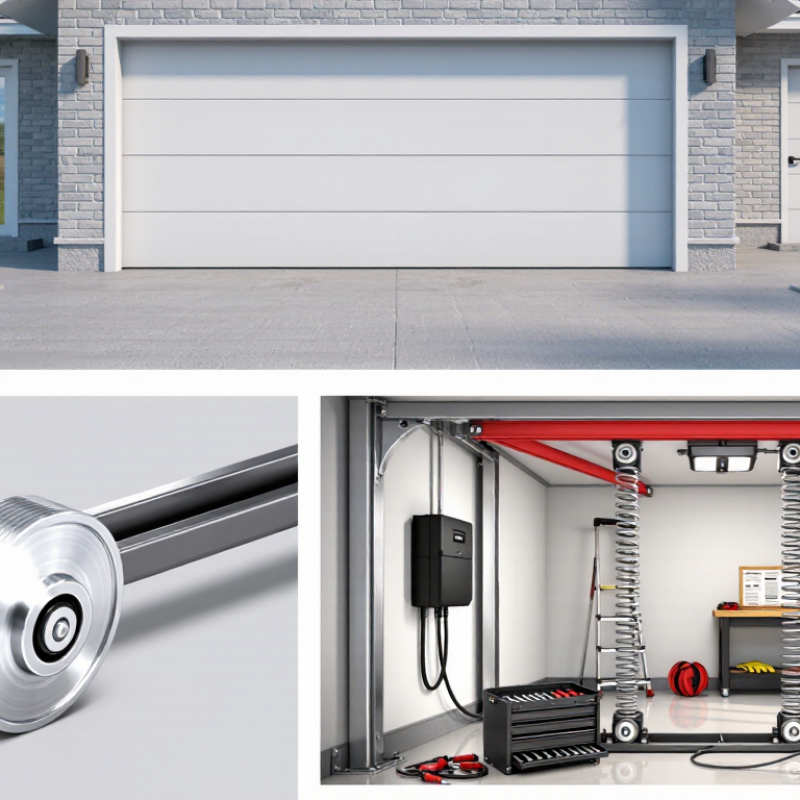
Define Your Garage Door’s Service Needs
Define the problem before requesting a visit. Note the door’s age, material, opener type, and recent changes. Does it scrape near the floor, shake on the tracks, or reverse before closing? Write down when the fault occurs. A phone video can help a technician distinguish a noisy roller from a balance or opener issue. Don’t adjust springs or cables yourself; these parts remain under high tension.
Use the door’s workload to guide questions. Many residential spring systems are rated for about 10,000 open-close cycles, though specifications vary. At four cycles daily, that rating represents roughly 6.8 years of use. That is only a planning clue. Actual wear depends on installation, maintenance, and household traffic. Ask the servicer to check balance, cables, rollers, photo-eyes, and the opener’s reversal function, then explain which findings need attention now.
Decide whether you need a repair, a safety check, or a replacement assessment. Zonda and Remodeling’s 2024 Cost vs. Value report estimated a 194.1% resale-value return for garage-door replacement nationally. That figure compares replacement costs with estimated resale value; it does not prove replacement is right for your door. Ask for an itemized diagnosis and compare it with the door’s condition. One squeak can be misleading. So can a sales pitch.
How to Find Reliable Garage Door Servicing in 2026? - Define Your Garage Door’s Service Needs
| Service Need | Common Signs | Recommended Response | Typical Timing | What a Reliable Service Should Include |
|---|---|---|---|---|
| Routine inspection | No obvious fault, but the door has not been checked recently | Request a complete safety and operating inspection | At least annually; more often with heavy daily use | Written findings covering springs, cables, rollers, tracks, fasteners, balance, and safety devices |
| Noisy operation | Squeaking, grinding, rattling, or repeated vibration | Stop ignoring the noise; arrange an inspection before wear increases | As soon as practical, especially if the noise is worsening | Identification of the noise source, adjustment or lubrication where appropriate, and inspection for worn parts |
| Slow or uneven movement | Door hesitates, jerks, moves at an angle, or changes speed | Discontinue use if movement appears unsafe and arrange professional diagnosis | Promptly; uneven movement can place extra load on the lifting system | Balance testing, track and roller inspection, cable review, and a clear repair quotation |
| Door will not open or close | Complete failure, partial movement, or immediate reversal | Keep people and vehicles clear; do not force the door manually | Urgent service when access, security, or vehicle safety is affected | Fault isolation, safety inspection, explanation of the cause, and approval before additional work |
| Broken or loose cable | Visible fraying, slack cable, cable off the drum, or a tilted door | Do not operate the door; keep clear of cables and springs | Immediate professional attention | Replacement with correctly rated parts, alignment checks, and full operational testing |
| Spring problem | Visible gap in a spring, loud snap, heavy door, or failure to stay open | Avoid adjustment or replacement as a DIY task; isolate the door | Urgent service because springs are under high tension | Correct spring specification, safe installation, balance testing, and disposal of failed components |
| Safety reversal issue | Door does not reverse when an obstruction is detected | Stop using automatic operation until the safety system is checked | Immediate priority, particularly in homes with children or pets | Testing of photo-eye sensors, force settings, travel limits, and manual release function |
| Remote or wall control failure | Intermittent response, loss of range, or no response from controls | Check basic power and battery conditions, then request diagnosis if the fault continues | Routine service unless the door is stuck open or closed | Testing of power supply, receiver, wiring, controls, and safety interlocks |
| Weather seal or panel damage | Light gaps, drafts, water entry, cracked panels, or impact damage | Arrange an assessment to determine whether sealing, adjustment, or panel repair is suitable | Schedule within the current maintenance period; sooner after severe weather or impact | Inspection of alignment, seals, hinges, structural condition, and moisture-related damage |
| Service-provider reliability check | Unclear pricing, no written scope, pressure to approve work, or limited technical explanation | Compare itemized quotations and verify qualifications, insurance, warranty terms, and review history | Before authorizing non-emergency repairs | Transparent diagnosis, written estimate, defined parts and labor, safety-focused process, and documented warranty |
Safety note: Garage-door springs, cables, and lifting components can store significant energy. Inspection and repair should be performed by a qualified technician when these components are damaged, loose, or under tension.
Related Posts
-
2026 Best Garage Door Servicing Companies?
-

Top Tips for Finding the Best Garage Door Technician Near You?
-

What is a Garage Door Technician and What Do They Do?
-

Top 10 Garage Door Handyman Services in China You Should Know?
-

China Top Tips for Garage Door Servicing You Should Know?
-
Top 10 Handyman Tips to Fix Your Garage Door Effectively