
How to Maintain Garage Doors from China Top Suppliers?
Maintaining a garage door from China’s top suppliers requires more than occasional cleaning. It requires a clear routine, careful observation, and respect for the door’s moving parts. Even well-built doors can develop problems when moisture, dust, or poor adjustment is ignored.
Tom Wadsworth, a longtime door and access systems educator, puts it plainly: “A garage door is the largest moving object in your home.” That reminder shapes responsible garage door maintenance. Check the rollers, hinges, cables, tracks, and weather seal every month. Look for frayed cables, loose bolts, cracked rollers, or uneven movement. Do not adjust springs yourself. Their stored tension can cause serious injury.
Small details matter. Wipe dirt from the tracks with a dry cloth, but never grease them. Lubricate hinges, rollers, and springs only with a suitable garage-door lubricant. Test the auto-reverse feature with a solid object placed on the floor. The door should reverse after gentle contact. If it does not, stop using the opener until a qualified technician inspects it.
Supplier documentation also deserves attention. Keep the installation guide, warranty terms, model number, and replacement-part information together. Different doors may use different seals, rollers, or opener settings. A generic repair can fit badly.
No schedule is perfect. Weather changes. Usage varies. I have seen owners focus on appearance while missing a noisy hinge or weakening cable. That is an easy mistake. Consistent checks, accurate records, and professional servicing help preserve safety, insulation, and long-term value.
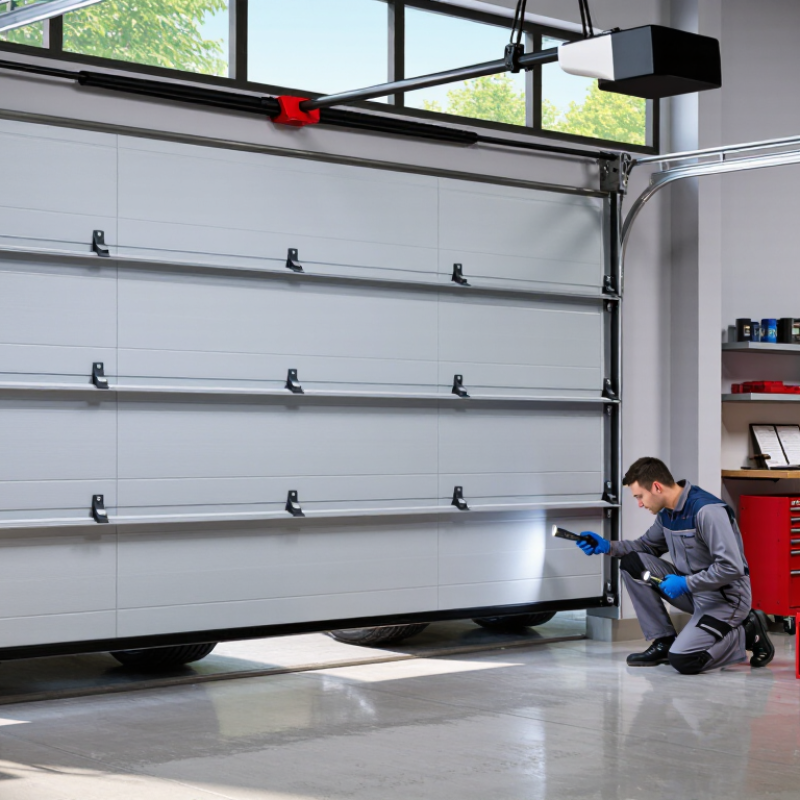
Garage Door Components and Maintenance Needs
How to Maintain Garage Doors from China Top Suppliers?
Garage Door Components and Maintenance Needs
A reliable garage door depends on every component working together. Inspect the steel tracks for dents, loose bolts, and trapped debris each month. Clean the rollers and hinges with a dry cloth before applying a suitable lubricant. Avoid heavy grease, which can collect dust and slow movement. Test the door by disconnecting the opener and lifting it manually. It should move smoothly and remain partly open without dropping.
Springs, cables, drums, and brackets need closer attention. Look for rust, frayed cable strands, stretched springs, or unusual gaps around mounting points. Never adjust torsion springs without trained equipment and professional experience. Their stored force can cause severe injuries. Check the photo-eye sensors too. They should face each other and reverse the door when the beam is interrupted. A soft click is normal. Grinding is not.
Suppliers should provide component specifications, installation guidance, load details, and replacement recommendations. Keep these records with the maintenance log. Different climates change service needs; coastal air may require more frequent rust inspections. A monthly checklist helps, but it is never perfect. Dust, temperature, and installation quality still affect performance. If the door shakes, closes unevenly, or becomes unusually loud, stop repeated testing and arrange a qualified inspection. Small faults often become expensive repairs when ignored.
| Component | Typical Material or Specification | Recommended Inspection Interval | Maintenance Requirements | Common Warning Signs | Recommended Action | Priority |
|---|---|---|---|---|---|---|
| Door Panels | Insulated steel panels, commonly 40–50 mm thick; non-insulated steel or aluminum panels are also available. | Every 3–6 months | Clean dirt and road salt with mild detergent and water. Check panel alignment, dents, cracks, rust, and damaged seals. | Visible corrosion, bowed panels, gaps between sections, or increased outdoor noise and heat transfer. | Touch up minor coating damage after cleaning. Replace severely corroded or structurally damaged panels. | Routine |
| Bottom Seal and Weatherstripping | EPDM, PVC, or rubber sealing profiles designed to resist water, wind, and temperature changes. | Every 3 months | Remove debris from the seal and retainer. Check for hardening, tearing, shrinkage, and loss of contact with the floor. | Daylight under the door, water leakage, drafts, pest entry, or unusually high dust levels inside the garage. | Replace worn seals with a compatible profile and confirm that the door closes evenly across the floor. | Check |
| Hinges and Roller Carriers | Galvanized or coated steel hinges with nylon or steel roller carriers. | Every 6 months | Tighten loose fasteners and inspect for cracks, distortion, excessive play, or metal fatigue. Lubricate only if permitted by the component instructions. | Squeaking, rattling, uneven panel movement, or rollers rubbing against the track. | Replace cracked hinges or worn roller carriers. Do not enlarge mounting holes or substitute incorrectly sized hardware. | Important |
| Vertical and Horizontal Tracks | Formed galvanized steel tracks matched to the door size, lift type, and roller dimensions. | Every 3–6 months | Keep tracks clean and check mounting brackets, spacing, bends, and level. Tracks should guide rollers without binding. | Grinding sounds, sticking, visible bends, loose brackets, or a door that moves unevenly. | Remove obstructions and tighten approved fasteners. A qualified technician should correct bent or misaligned tracks. | Important |
| Torsion or Extension Springs | High-tensile spring steel selected according to door weight, height, lift configuration, and cycle rating. | Visual check monthly; professional test annually | Inspect from a safe distance for gaps, rust, stretching, or deformation. Never adjust, remove, or replace a loaded spring without proper training. | Door becomes heavy, rises unevenly, drops rapidly, or a spring has a visible gap or break. | Stop using the door if safe operation is affected. Have a qualified garage-door technician replace or balance the spring system. | Safety-Critical |
| Cables, Drums, and Bottom Fixtures | Galvanized or stainless-steel lift cables with drums and fixtures matched to the spring and lift system. | Every 3 months | Look for fraying, kinks, corrosion, loose winding, or cable movement outside the drum grooves. Keep hands away from cables under tension. | Loose cable strands, cable jumping from the drum, door tilting, or one side lifting higher than the other. | Disconnect use and arrange professional service. Do not attempt to rewind or replace a tensioned cable yourself. | Safety-Critical |
| Rollers | Nylon or steel rollers with bearing options selected for load, noise level, and track compatibility. | Every 6 months | Check for flat spots, worn bearings, cracks, and excessive side play. Use a light garage-door lubricant only where recommended. | Grinding, vibration, stiff movement, or visible roller wear. | Replace damaged rollers in compatible sets when practical. Do not use household grease that attracts dust. | Routine |
| Counterbalance and Door Balance | Spring-assisted system designed to offset most of the door weight during manual operation. | Every 6–12 months | With the opener disengaged, a qualified user may check whether the door stays near mid-travel without drifting. Keep the door path clear. | Door feels unusually heavy, rises by itself, falls from position, or requires excessive opener force. | Stop adjusting the opener to compensate. Have the spring and counterbalance system professionally inspected. | Safety-Critical |
| Automatic Opener | Ceiling-mounted or wall-mounted motor unit with drive rail, belt, chain, or screw mechanism. | Every 3–6 months | Inspect mounting points, drive components, light cover, manual-release cord, and unusual vibration. Keep the motor area dry and ventilated. | Slow operation, repeated reversing, excessive noise, overheating, or failure to respond consistently. | Follow the operating manual for basic adjustments. Electrical repairs and drive-unit replacement should be handled by qualified personnel. | Check |
| Photoelectric Safety Sensors | Paired low-voltage photoelectric sensors positioned near the bottom of the door opening. | Monthly | Clean both lenses, confirm alignment, and test automatic reversal according to the opener instructions. Keep the sensor path unobstructed. | Door fails to reverse, closes only while the wall control is held, or sensor indicators remain abnormal. | Clean and realign the sensors. If the reversal test fails, discontinue automatic operation until repaired. | Safety-Critical |
| Manual Release and Emergency Operation | Emergency-release cord and handle connected to the opener carriage. | Every 6 months | Ensure the release handle is accessible, the cord is not damaged, and the door can be manually operated safely with the opener disconnected. | Release mechanism sticks, handle is missing, or the door cannot be lifted manually after disengagement. | Arrange service before relying on emergency access. Keep the release cord away from children and moving door parts. | Important |
| Fasteners and Mounting Brackets | Corrosion-resistant bolts, screws, brackets, and reinforcement members sized for the door assembly. | Every 6 months | Inspect for looseness, corrosion, elongated holes, and missing hardware. Verify that structural supports remain secure. | Rattling, shifting brackets, visible gaps, or movement between the door and support frame. | Tighten only approved fasteners to the correct specification. Replace damaged supports rather than adding random screws. | Check |
| Lubrication Points | Light garage-door lubricant suitable for hinges, bearings, springs, and approved metal contact points. | Every 6 months | Clean parts first, then apply a small amount to approved moving points. Do not lubricate photoelectric sensors, tracks, or the door surface. | Squeaking, dry metal contact, or increased friction after cleaning and alignment checks. | Use the lubricant type specified for the component. Wipe away excess product that can collect dust and grit. | Routine |
| Coating, Rust, and Drainage | Powder-coated, painted, galvanized, or anodized surface finishes depending on the door material. | Every 3 months; after severe weather | Wash off salt, moisture, and chemical residue. Keep the floor drain and area below the door clear to reduce standing water. | Blistering paint, orange rust, white corrosion deposits, or persistent moisture near the bottom panel. | Dry the surface, treat minor corrosion according to the coating instructions, and replace components with structural corrosion. | Routine |
| Overall Safety Test | Complete door assembly, opener, reversing system, manual release, and structural hardware. | Monthly and after installation | Test balance, manual release, photoelectric sensors, automatic reversal, smooth travel, and secure closure without placing people or objects under the door. | Door does not reverse, closes unevenly, moves without control, or shows any sudden change in speed or noise. | Stop operation when a safety function fails. Record the issue and arrange inspection by a trained garage-door professional. | Safety-Critical |
Related Posts
-
10 Essential Tips for Choosing the Best Residential Garage Doors?
-
China Top Affordable Garage Doors Manufacturers?
-
How to Find a Reliable Garage Door Specialist?
-
What is a Garage Door Specialist and What Do They Do?
-

How to Choose the Best Local Garage Door Service for Your Home Needs
-
Understanding the Benefits of Insulated Overhead Garage Doors for Home Energy Efficiency