Top 5 Tips for Choosing the Right Transformer Substation?
Choosing the right Transformer Substation is crucial for any electrical infrastructure project. It directly impacts efficiency and reliability. The decision should be informed by various factors that ensure optimal performance and safety.
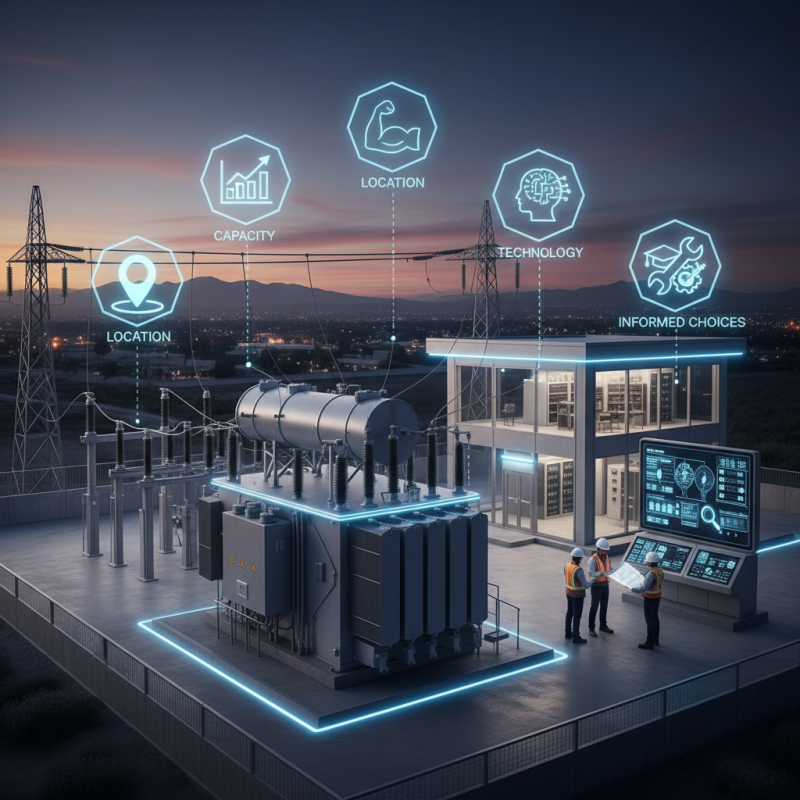
Expertise in electrical engineering plays a significant role in selecting the correct Transformer Substation. Various types exist, each serving different needs. Capacity, location, and technology are vital aspects. Evaluating these parameters can be challenging but essential. Misjudging any factor can lead to operational setbacks.
Informed choices are key to effective energy distribution. An improper transformer could cause outages or inefficiencies. Careful analysis and consideration of details can prevent these issues. Engage with professionals to gain insights into available options. With the right information, your Transformer Substation can enhance the overall energy workflow.
Understanding the Purpose and Function of Transformer Substations
Transformer substations play a critical role in the transmission and distribution of electricity. They are designed to step down high voltages from power lines to a lower level for safe consumption. Understanding their purpose is essential for efficient energy management. Each substation typically houses transformers, circuit breakers, and control equipment, ensuring reliable operation.
Choosing the right transformer substation requires knowledge of its functions. Consider the load capacity needed for your location. Power demand varies, and substations must be able to handle peak loads without failure. Additionally, location matters. Proximity to power sources and consumers impacts efficiency. Evaluating existing infrastructure can reveal limitations or enhancements needed.
Maintenance is also a crucial aspect. Regular checks help identify potential issues before they become critical. It’s vital to establish a relationship with maintenance professionals to ensure the reliability of the substation. Sometimes, even small upgrades can significantly enhance performance. The decision-making process should involve various experts to ensure the best outcomes. Balancing cost, capacity, and future needs demands careful consideration.
Evaluating Site Requirements and Space Considerations
Choosing the right transformer substation requires careful evaluation of site requirements and space considerations. Site selection is critical to ensure operational efficiency. According to a report from the International Energy Agency, approximately 35% of transformer-related failures stem from inadequate site conditions. Poor soil quality, for example, can lead to instability and damage.
The layout of the substation must account for future expansion and maintenance access. Many industry experts recommend at least 10% of the site area be reserved for potential upgrades. This flexibility can prevent costly modifications down the line. Moreover, proximity to load centers is vital. Research shows that locating substations closer to end-users can reduce transmission losses by 20% to 30%.
Environmental impacts also cannot be overlooked. Laws regarding noise and emissions require substantial consideration during site selection. A poorly chosen site may lead to community pushback and regulatory hurdles. Engaging with local stakeholders can provide insights that guide better decision-making. These considerations reflect a balance of practical needs, technical requirements, and community integration for a successful transformer substation project.
Assessing Transformer Size and Capacity Needs
When assessing transformer size and capacity, it's crucial to understand the specific needs of your project. Load requirements must be precisely calculated. A transformer that is too small may lead to overloads. Conversely, an oversized transformer can waste energy. According to the IEEE, up to 30% of energy losses in substations may be due to improper sizing.
It is essential to consider both current and future demands. For instance, a facility planning to expand will need a transformer that accommodates future load growth. Industry reports show that about 20% of new installations fail to account for expansion needs. Utilizing predictive analytics in load assessment can help mitigate these risks.
Consulting with a professional engineer can ensure you select a suitable transformer. Their expertise can guide you through calculations and help identify any critical gaps. However, even experts can make mistakes. Accurate data collection is vital to avoid costly errors. Missing information can alter the whole sizing process, leading to severe operational impacts.
Exploring Safety Standards and Regulatory Compliance
When selecting a transformer substation, safety standards and regulatory compliance are critical. Understanding the local regulations is essential. Different regions may have specific codes that govern electrical installations. Make sure to review these thoroughly before making decisions.
Compliance with safety standards helps prevent accidents. Check for certifications that demonstrate reliability and quality. These can often indicate whether the equipment has met recognized benchmarks. However, not all installations adhere to these standards. Some may cut corners, leading to future issues. Be cautious and ask for documentation to ensure compliance.
Regular inspections can also unveil potential deficiencies. Many facilities neglect this aspect. Without consistent evaluations, hidden problems may arise, posing risks to safety. Engaging professionals who specialize in compliance can provide valuable insights. Their expertise ensures you are meeting not only legal requirements but also best practices.
Top 5 Tips for Choosing the Right Transformer Substation
| Tip | Description | Safety Standard | Regulatory Compliance |
| 1. Assess Power Requirements | Evaluate the total capacity needed based on peak loads. | NESC (National Electrical Safety Code) | IEEE 1547 |
| 2. Consider Location | Choose a site that minimizes risk and maximizes accessibility. | NEC (National Electrical Code) | OSHA regulations |
| 3. Evaluate Equipment Durability | Select equipment resistant to environmental conditions. | IEC 60076-1 | EPA standards |
| 4. Design for Easy Maintenance | Incorporate features that facilitate quick inspections and repairs. | ISO 9001 | Local building codes |
| 5. Implement Necessary Safety Protocols | Ensure safety features and emergency protocols are in place. | NFPA 70E | FERC requirements |
Reviewing Maintenance and Support Services Options
When selecting a transformer substation, maintenance and support services are crucial. Effective maintenance extends equipment life and enhances operational efficiency. A recent industry report revealed that regular maintenance can reduce downtime by up to 30%. This statistic is pivotal for organizations that rely on consistent power supply.
Consider the type of support services available. Some companies offer proactive monitoring, which can identify issues before they escalate. Inadequate support might lead to unforeseen failures, costing companies not just money, but also reputation. A study shows facilities with comprehensive support packages reported 25% fewer emergency repairs. This highlights the importance of a solid maintenance plan.
Choosing the right service provider isn't just about cost. Experience and expertise matter significantly. Providers with a proven track record deliver reliable service. Research indicates facilities using expert services see a 40% increase in operational efficiency. Remember, investment in quality maintenance pays off in the long run. Evaluate your options carefully to ensure reliability and longevity of your transformer substation.
Top 5 Tips for Choosing the Right Transformer Substation