Top 10 Types of Residential Garage Doors for Buyers
Choosing among residential garage doors is more than a style decision. It affects security, insulation, daily convenience, curb appeal, and long-term maintenance. A garage door may open twice a day, yet it faces heat, rain, wind, dust, and accidental impacts for years.
Tom Wadsworth, a longtime garage-door industry educator, puts it plainly: “The garage door is the largest moving object in your home.” That observation deserves attention. A lightweight aluminum door may suit a modern house, while an insulated steel model can better protect a garage workshop from winter drafts. Wood offers warmth and character, but it needs regular sealing. Glass panels create striking daylight, although privacy and heat control require careful planning.
Small details matter. Examine the track system, spring design, panel thickness, window placement, and opener compatibility. Check whether local installers provide written warranties and safety inspections. A low purchase price can become expensive when repairs arrive early. That is easy to overlook.
Not every “best” door fits every buyer. Climate, budget, driveway space, noise tolerance, and architectural style change the answer. This guide compares the top 10 types of residential garage doors through practical strengths and limitations. It considers real household use, not just showroom appearance. Some categories overlap, and that is worth admitting. Buyers often need a compromise rather than a perfect product. The right choice should look appropriate, operate quietly, resist daily wear, and remain serviceable for many years.
How Residential Garage Door Types Differ
Top 10 Types of Residential Garage Doors for Buyers
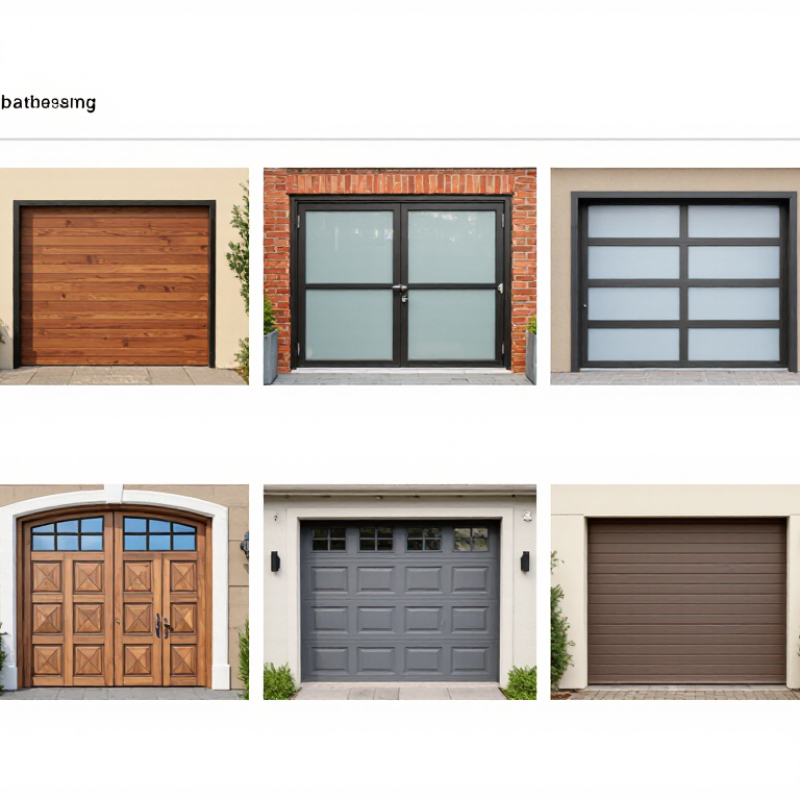
Residential garage doors differ mainly in movement, materials, insulation, and maintenance needs. Sectional doors lift in horizontal panels, saving driveway space. Roll-up doors coil above the opening and suit compact garages. Slide-to-side doors move along a wall, which helps when ceiling storage is important. Side-hinged doors open outward and offer a traditional, walk-through feel. Tilt-up canopy doors swing outward before rising, so vehicles must remain clear. Tilt-up retractable doors move fully inside the garage, but need stronger overhead clearance. Carriage-house doors imitate old barn doors while using modern lifting systems. Full-view doors use large glass panels, bringing daylight into the garage. Insulated steel doors improve temperature control and resist everyday dents. Wood doors provide warmth and texture, but demand regular sealing.
Tips: Measure the opening, ceiling, and driveway before choosing. Check winter wind, summer heat, and local weather patterns. Ask how often hinges, springs, and rollers need inspection. A quiet door may matter more than an elaborate appearance. I once underestimated side clearance; the installation plan had to change. Small mistakes become expensive.
Compare the door’s daily behavior, not only its catalog image. A heavy wooden design can look excellent but strain an older opener. Glass panels brighten a workspace, yet they may reduce privacy. Sectional doors are practical, though their many moving parts need attention. Energy ratings can guide decisions, but real performance depends on seals and installation quality. Professional measurements and written specifications make the final choice more reliable.
Top 10 Types of Residential Garage Doors for Buyers
How residential garage door types differ by typical installed cost
Prices represent typical U.S. installed costs for a standard two-car residential garage door. Actual costs vary with door size, insulation, windows, hardware, regional labor rates, and customization. Steel doors generally offer the best value, while solid wood, full-view aluminum, and glass-panel designs typically cost more.
Sectional, Single-Panel, and Tilt-Up Garage Doors
Top 10 Types of Residential Garage Doors for Buyers
Sectional garage doors remain a practical choice for many homeowners. Their horizontal panels roll along ceiling tracks, leaving the driveway clear. The 2024 Cost vs. Value Report from Zonda found that garage door replacement recovered about 194.7% of project cost nationally. That figure is striking, but local labor and material prices can change the result. Insulated panels also reduce temperature swings, although they cannot fully correct a poorly sealed garage.
Single-panel doors use one broad slab that swings outward or tilts upward. They offer a clean, traditional appearance and fewer moving panel joints. However, the door needs clear space in front of the garage. A parked vehicle can make opening impossible. Tilt-up doors are often used as another name for single-panel doors, but installation details vary. Buyers should inspect hinge points, counterbalance hardware, and headroom before choosing one.
The Door and Access Systems Manufacturers Association emphasizes proper installation, routine inspection, and tested safety features for residential doors. Check the photo-eye sensors near the floor. Test the automatic reverse function with a soft object, not your hand. Sectional systems usually handle narrow driveways better, while tilt-up designs may suit older homes with simple openings. I would not choose by appearance alone. Track noise, wind exposure, drainage, and repair access matter more than showroom lighting.
Roll-Up, Side-Slide, and Side-Hinged Garage Doors
Residential garage doors differ in movement, space requirements, and daily comfort. Roll-up garage doors lift vertically and coil above the opening. They suit compact driveways because they need little space outside. Their slatted curtain can also provide a clean, practical appearance. However, the drum and tracks require accurate installation. Poor alignment may cause noise or uneven movement.
Side-slide garage doors travel horizontally along one wall. They work well when the ceiling must remain clear for lighting, storage, or workshop equipment. This design can open partially, which helps with ventilation or quick access. Side-hinged garage doors swing outward like traditional double doors. They offer a familiar look and simple operation, especially for detached garages. Yet, they need clear driveway space and may struggle on sloped ground. No design wins every time. Buyers sometimes focus on appearance and overlook winter clearance, door weight, or nearby vehicles.
Tips: Measure the opening, ceiling, side walls, and driveway depth before choosing. Check the door’s insulation, seals, hinges, rollers, and safety sensors. Ask an experienced installer to inspect the frame, because older openings are rarely perfectly square. Leave enough space for doors to move safely. A small measurement error can become an expensive repair. Reflect on your routine, too. A side-slide door may be convenient for frequent walking, while a roll-up design may better suit limited space.
Top 10 Types of Residential Garage Doors for Buyers - Roll-Up, Side-Slide, and Side-Hinged Garage Doors
| No. | Garage Door Type | How It Operates | Common Materials | Space and Clearance Profile | Insulation Potential | Best Suited For |
|---|---|---|---|---|---|---|
| 1 | Sectional Overhead Door | Multiple horizontal panels bend at hinges and travel along vertical and horizontal tracks. | Steel, aluminum, wood, composite, or insulated panel construction. | Requires ceiling tracks and usable overhead space; the most adaptable layout for standard garages. | Low, medium, or high, depending on whether the panels are non-insulated, single-layer, or sandwich-style. | Most homeowners seeking broad design choice, automatic operation, and weather protection. |
| 2 | Roll-Up Door | A curtain made of interlocking slats rolls around a barrel above the opening. | Galvanized steel, aluminum, or insulated metal slats. | Uses little ceiling depth but needs adequate space above the opening for the roll and side guides. | Usually low to medium; insulated slat designs provide better thermal and acoustic performance. | Garages with limited ceiling depth, compact layouts, or a preference for a durable curtain-style door. |
| 3 | Side-Slide Door | A sectional curtain moves horizontally along a track beside the garage wall. | Steel or timber sections, commonly with flexible seals and track hardware. | Leaves the ceiling largely unobstructed but requires clear wall space on one side of the opening. | Medium to high when insulated panels and perimeter seals are used. | Garages with restricted headroom, storage on the ceiling, or a need for partial opening. |
| 4 | Side-Hinged Door | One or two leaves swing outward from hinges mounted to the side jambs. | Wood, steel, aluminum, or composite panels with framed construction. | Does not need overhead tracks, but requires free driveway space for the doors to swing open. | Medium; performance depends on panel thickness, weatherstripping, and door alignment. | Traditional homes, garages used as workshops, and properties where overhead clearance is limited. |
| 5 | Tilt-Up Canopy Door | A single rigid panel tilts upward and rests partly outside the garage when open. | Wood, steel, aluminum, or fiberglass-reinforced panels. | Needs overhead and front clearance; the panel projects beyond the opening during operation. | Generally low to medium because the one-piece panel has fewer insulation options than sectional doors. | Detached garages and buyers wanting a simple, traditional one-piece door design. |
| 6 | Tilt-Up Retractable Door | A single panel tilts and retracts completely into the garage on horizontal tracks. | Wood, steel, aluminum, or composite panels. | Requires clear ceiling space and overhead tracks; typically needs less driveway projection than canopy types. | Low to medium, with performance limited by the single-panel design and edge seals. | Older or custom garages where a one-piece door is preferred and ceiling space is available. |
| 7 | High-Lift Sectional Door | A sectional door travels vertically higher than standard before transitioning to horizontal tracks. | The same panel materials used for sectional overhead doors. | Needs additional vertical wall height and carefully measured track clearance. | Medium to high, depending on the selected sectional panels and seals. | Tall garages, vehicle lifts, or homeowners who need more usable space near the doorway. |
| 8 | Vertical-Lift Door | The door travels straight upward without turning horizontally over the vehicle area. | Steel, aluminum, or specialized sectional panels. | Requires substantial ceiling height above the opening and is usually unsuitable for low garages. | Medium to high, depending on panel construction and sealing details. | Residential garages with unusually tall ceilings or specialized vehicle-storage requirements. |
| 9 | Carriage-House Style Door | Usually operates as a sectional overhead door while presenting the appearance of traditional swing-out doors. | Steel, wood, composite, or fiberglass with decorative handles and window designs. | Clearance depends on the underlying mechanism; sectional versions need standard overhead track space. | Low to high, depending on whether the door uses single-layer or insulated sectional panels. | Buyers seeking historic or carriage-inspired curb appeal with modern overhead convenience. |
| 10 | Full-View Glass and Aluminum Door | Most commonly lifts as a sectional overhead door using framed panels with glass inserts. | Aluminum frames with tempered, laminated, acrylic, or insulated glass panels. | Uses standard overhead tracks and requires normal ceiling clearance for sectional operation. | Usually low to medium; insulated glazing can improve thermal performance but may add weight. | Modern homes, garages used as studios, and spaces where daylight and contemporary appearance matter. |
Note: Clearance, insulation performance, weather sealing, and automation compatibility vary by door size, construction, track configuration, and local building conditions. A site measurement should be completed before selecting a final door system.
Swing-Out, Bi-Fold, and Folding Garage Doors
Swing-out, bi-fold, and folding garage doors give buyers more than different appearances. They change driveway clearance, headroom, insulation, and daily convenience. Swing-out doors open like two tall shutters. They suit older homes and need clear space in front. Bi-fold doors bend at the center and rise vertically. They work well where a car sits close to the door. Folding doors stack into sections, saving exterior swing space but requiring dependable tracks and careful alignment.
Field experience shows that measurements matter more than showroom photos. Check ceiling height, side-room width, opener clearance, and local wind-load requirements. The U.S. Department of Energy’s 2020 Residential Energy Consumption Survey reports that space heating uses 42% of household energy, while air conditioning uses 9%. An insulated door may help attached garages, especially beside living areas, but results vary. In Zonda’s 2024 Cost vs. Value Report, garage-door replacement recovered about 193.9% of its cost at resale. That figure is impressive, not guaranteed. Installation quality still decides much of the outcome.
Tips: Mark the door’s full movement with masking tape. Test the swing path after parking. Ask for R-value, panel weight, hardware-cycle ratings, and wind certification. Folding systems can look compact, yet neglected tracks become noisy quickly. I would not choose purely by style. Measure twice. Then question the quote.
How to Choose the Right Garage Door for Your Home
Top 10 Types of Residential Garage Doors for Buyers
Choosing the right garage door starts with your home, not a showroom. The ten common options include sectional, roll-up, tilt-up canopy, tilt-up retractable, side-hinged, sliding, carriage-house, full-view, glass, and custom doors. Measure opening width, ceiling clearance, side space, and driveway slope before comparing designs. A beautiful door may fail when tracks need extra headroom.
Climate should guide the material and insulation level. Steel sectional doors offer durability, while aluminum and glass provide a lighter, modern appearance. Wood adds warmth but needs regular sealing, especially in humid regions. Look for a documented R-value, wind-load rating, and automatic reverse safety testing. The U.S. Department of Energy notes that insulated doors can improve the thermal boundary between an attached garage and living areas. Still, insulation alone cannot fix an unsealed floor or drafty walls.
Budget decisions deserve careful checking. Zonda’s 2024 Cost vs. Value Report recorded about 194% cost recouped for a garage door replacement, the highest result in its comparison. That figure reflects a typical project, not every property. Local labor, framing repairs, and opener upgrades can change the outcome. The National Association of Realtors’ remodeling research also places garage door replacement among strong exterior projects for buyer appeal. I would question any quote missing cycle ratings, warranty limits, or disposal fees. Small omissions become expensive later.
Related Posts
-
How to Choose the Best China Garage Door Specialist?
-
What Are the Top Garage Door Styles?
-

Top 10 Local Garage Door Suppliers for Global Buyers
-

Top Local Garage Door Suppliers Worldwide
-
What is a Garage Door Specialist and What Do They Do?
-

Top Residential Garage Doors for Your Home Improvement Project?