Skip to Content
chevron-left chevron-right chevron-up chevron-right chevron-left arrow-back star phone quote checkbox-checked search wrench info shield play connection mobile coin-dollar spoon-knife ticket pushpin location gift fire feed bubbles home heart calendar price-tag credit-card clock envelop facebook instagram twitter youtube pinterest yelp google reddit linkedin envelope bbb pinterest homeadvisor angies

What Are the 2026 Best Garage Door Accessories?

Choosing the right garage door accessories in 2026 is less about adding every available gadget. It is about improving safety, convenience, durability, and daily access. A quiet smart opener may suit a busy household, while a simple keypad may serve a detached workshop better. The best choice depends on the door’s age, material, installation quality, and your family’s routines.

This guide examines practical upgrades that homeowners can evaluate with confidence. We will consider smart controllers, motion-sensing lights, security cameras, battery backups, weather seals, keypads, remotes, and reinforced hardware. Each accessory should match the door system and support safe operation. Compatibility matters. So does professional installation.

Small details matter. A worn bottom seal can let rainwater, dust, and cold air enter beneath the door. A misplaced sensor can create unreliable closing behavior. A weak remote battery can become a frustrating surprise during a late return. These are real-world problems, not merely product features. I have found that reliable accessories usually offer clear instructions, replaceable parts, strong warranties, and consistent manufacturer support.

Still, no accessory is perfect. Smart devices may depend on Wi-Fi, batteries eventually lose capacity, and extra features can create unnecessary maintenance. That deserves honest consideration. This overview will compare useful options by purpose, value, security, and long-term performance. It will also highlight warning signs, installation questions, and practical checks before purchase. By the end, readers should understand which garage door accessories genuinely improve their garage, rather than simply making it look more advanced.
What Are the 2026 Best Garage Door Accessories?

What Makes a Garage Door Accessory Essential in 2026?

A garage door accessory becomes essential in 2026 when it improves safety, access, or daily reliability. In my experience, convenience matters only after basic protection works. A smart opener should support encrypted access, activity alerts, and temporary permissions for visitors. It should also work during an internet outage. That detail is often overlooked.

Motion-sensitive lighting is another practical upgrade. It can brighten a dark driveway within seconds and reduce trips near steps or tools. Reliable safety sensors should stop the door when a child, pet, or bicycle crosses its path. Test them monthly, not just after installation. Small failures can remain invisible for months.

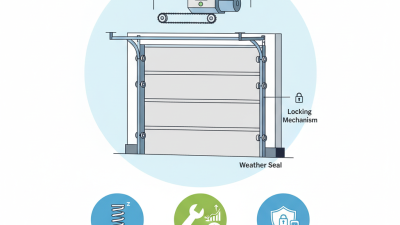
Weather seals deserve more attention. A cracked bottom seal can admit rain, dust, insects, and cold air. Battery backup helps during storms or local power cuts, especially when a vehicle is trapped inside. Manual release hardware must remain reachable and clearly understood.

I have seen homeowners choose impressive features but ignore simple maintenance. That is a mistake. Technology cannot compensate for a misaligned door, weak springs, or a neglected inspection. The best accessory is not always the newest one. It is the one that keeps working when conditions become inconvenient.

Which Smart Accessories Improve Garage Door Security and Control?

Smart garage accessories in 2026 focus on control without adding complicated routines. A connected door sensor reports whether the garage is open, closed, or partly lifted. That small detail matters when a vehicle, bicycle, or tool cabinet is inside. Real-time phone alerts can warn you about movement during unusual hours. They also help parents check whether children left the door open.

A smart keypad improves access without sharing a physical key. Temporary codes can be created for relatives, technicians, or delivery workers, then removed later. Choose a model with failed-attempt alerts and automatic lockout features. A built-in camera adds visual verification, especially when an alert arrives at night. Clear lighting helps the camera identify faces and packages. It does not guarantee safety.

A central controller can connect the opener, sensors, lights, and alarm system. Strong account passwords and two-step verification remain essential. Keep the controller’s software updated, and review access records every month. Battery backup is useful during storms or power cuts. However, wireless accessories can lose connection through thick walls or metal storage shelves. I noticed this issue during a practical setup. Moving one sensor only a few feet improved reliability. That imperfect result is worth remembering: convenience depends on placement. Test every alert before trusting it, and keep a manual release available for emergencies.

How Do Safety and Convenience Accessories Enhance Daily Use?

Safety accessories make a garage door feel less like heavy machinery and more like part of the home. The U.S. Consumer Product Safety Commission has reported roughly 20,000 garage-door-related injuries annually in earlier safety estimates. Photoelectric sensors, automatic reversal, and manual release systems directly address common risks. Under UL 325 safety requirements, sensors should detect an object near the floor and stop or reverse the door.

Small upgrades matter.

A wireless wall control can prevent children from reaching moving hardware. A keypad reduces the need for spare keys, while a door-position alert can notify a homeowner when the garage remains open. The U.S. Department of Energy’s 2020 Residential Energy Consumption Survey found that about 63% of U.S. homes have an attached garage, making this space part of everyday household movement, not merely storage.

Convenience also depends on correct installation. A poorly aligned sensor may work intermittently, especially with dust, vibration, or direct sunlight. Monthly testing is practical: place a solid object in the sensor path, then confirm the door reverses immediately. It is not exciting maintenance. Still, ignored sensors create avoidable uncertainty. Smart controls can add remote access, but convenience should never replace a physical inspection. No accessory repairs a worn spring, damaged cable, or door that falls unevenly.

What Accessories Support Energy Efficiency and Weather Protection?

The best 2026 garage door accessories should reduce drafts, moisture, and heat transfer. Start with a flexible perimeter seal and a bottom weather seal. Together, they close the visible gaps around the frame and floor. A threshold seal can help when rainwater travels across the driveway. It must sit flat, or it may create a trip hazard.

Insulated door panels are useful in attached garages, especially beside living spaces. The U.S. Energy Information Administration’s 2020 Residential Energy Consumption Survey reports that space heating used 42% of household energy. A garage is not usually conditioned, but air leakage through its shared wall can still affect comfort. Add low-expansion sealant around service penetrations, then inspect the wall between the garage and home. Small gaps matter.

Weather protection needs more than insulation. Wind-rated reinforcement supports the door during severe gusts, while corrosion-resistant hinges and fasteners cope better with damp air. The Insurance Institute for Business & Home Safety identifies garage doors as vulnerable openings during high-wind events. A door failure can expose the interior to pressure and rain. That risk deserves attention.

Choose accessories by fit, climate, and door weight. Over-insulating a door can strain springs or the opener. I have seen well-intended upgrades create new maintenance problems. Check manufacturer load limits and have a qualified technician inspect the balance. Energy savings are possible, but they are not automatic.

How Should You Choose and Maintain the Best Garage Door Accessories?

Choosing the best garage door accessories in 2026 starts with the door, not the shopping list. A smart opener should offer two-factor authentication, activity alerts, and manual control. Choose battery backup if outages are common in your area. Add a wireless keypad after checking rolling-code compatibility. Grand View Research projects the global garage door market to grow at about 7% annually through 2030. Fortune Business Insights also identifies smart connectivity as a major market trend. More products do not guarantee better protection. That part is easy to forget.

Inspect photo-eye sensors monthly. Keep them aligned, clean, and facing each other. Test automatic reversal with a 2-by-4 board, following the opener manual. U.S. Consumer Product Safety Commission guidance treats reversing protection as essential. Replace crushed weather seals when daylight appears beneath the door. Lubricate hinges and rollers only as directed. Some spring systems require trained service. Never adjust spring tension casually. I once saw a small grinding noise become an expensive repair. Waiting felt harmless, but it was not.

Keep a simple maintenance record. Note battery changes, sensor tests, installation dates, and unusual vibration. DOE Building America guidance emphasizes sealing air leaks between attached garages and living spaces. Choose perimeter seals that fit without forcing the door. A camera improves awareness, yet it cannot replace inspection. Review app permissions after updates. Recheck the setup each season. The best accessory is the one you can maintain consistently.

What Are the 2026 Best Garage Door Accessories? - How Should You Choose and Maintain the Best Garage Door Accessories?

Accessory Main Function Best For Important Selection Criteria Typical Service Life* Recommended Maintenance Replacement Warning Signs
Smart Garage Door Controller Adds app-based monitoring, remote operation, alerts, and activity history. Homeowners who want remote access or delivery notifications. Check opener compatibility, wireless network requirements, door-position sensors, encryption, and local manual operation. Approximately 5–10 years, depending on electronics, moisture, and usage. Keep the controller dry, update its software, test notifications, and replace batteries in wireless sensors. Repeated offline status, false alerts, failed position readings, or unreliable remote commands.
Wireless Keypad Provides keyless exterior entry using a personal identification code. Families, rental properties, and users who need access without a remote. Confirm opener compatibility, weather resistance, illuminated keys, code management, and battery type. Approximately 3–7 years; batteries usually require more frequent replacement. Clean the keypad, protect it from standing water, change batteries when indicated, and update access codes periodically. Unresponsive buttons, dim illumination, cracked housing, or repeated failed code entries.
Safety Photo-Eye Sensors Stops or reverses the door when an object interrupts the invisible beam near the floor. Every automatic garage door, especially homes with children or pets. Use the correct replacement type, verify mounting height and alignment, and choose weather-resistant housings. Approximately 5–10 years when protected from impact and moisture. Wipe the lenses, remove cobwebs, check wiring, and test the reverse function regularly with a suitable object. Flashing indicator lights, intermittent operation, failure to close, or failure to reverse during testing.
LED Garage Door Lighting Improves visibility in the garage and reduces the need for frequent bulb replacement. Dark garages, workshops, and households using the garage as a primary entrance. Check socket type, brightness, color temperature, vibration resistance, heat output, and compatibility with the opener. LED light sources commonly provide about 15,000–50,000 operating hours. Remove dust from the fixture, maintain ventilation, and avoid exceeding the opener’s specified wattage. Flickering, reduced brightness, excessive heat, buzzing, or delayed illumination.
Surge Protector Helps protect electronic opener components from voltage spikes and electrical surges. Areas with thunderstorms, unstable power, or long electrical runs. Look for appropriate voltage, grounding requirements, joule rating, response time, and a visible protection-status indicator. Approximately 3–10 years, but a major surge may consume its protection immediately. Check the status indicator, keep connections dry, and replace the unit after a significant electrical event. Protection light is off, housing is damaged, outlet is loose, or the opener shows unexplained electrical faults.
Battery Backup System Allows the automatic opener to operate during a power outage. Homes in areas affected by storms, outages, or emergency access concerns. Confirm opener compatibility, battery chemistry, rated cycles, charging time, and emergency-release access. Rechargeable batteries commonly last about 2–5 years. Test operation during scheduled maintenance, keep terminals clean, and replace the battery according to its condition. Short backup duration, charging failure, swelling, leakage, or a battery warning light.
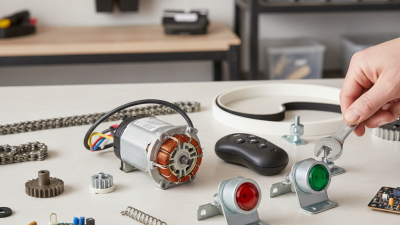
Remote Control Provides convenient wireless control from a vehicle or nearby location. Multi-car households and users who prefer dedicated controls. Check frequency or protocol compatibility, range, button layout, rolling-code security, and battery availability. Approximately 5–10 years with normal handling. Replace the coin-cell battery when needed, keep buttons clean, and erase lost remotes from the opener’s memory. Reduced range, sticking buttons, cracked casing, or commands that work only intermittently.
Weather Seals and Bottom Seal Reduces drafts, rainwater, dust, insects, and light gaps around the door. Attached garages, uneven floors, cold climates, and areas with wind-driven rain. Measure door width and channel dimensions; choose a suitable rubber or vinyl profile and temperature range. Approximately 2–5 years, depending on sunlight, temperature, and contact with chemicals. Clean with mild soap, inspect for compression and cracking, and avoid petroleum-based cleaners. Hardening, splitting, curling, visible gaps, water entry, or noticeable daylight beneath the door.
Hinges and Rollers Guide the sectional door smoothly along its tracks and support panel movement. Noisy, jerky, or frequently used garage doors. Match roller stem size, hinge position, door weight, track design, and the manufacturer’s approved specifications. Approximately 5–15 years, with sealed bearings generally requiring less routine lubrication. Inspect for wear, tighten appropriate fasteners, and use garage-door lubricant only where specified. Grinding, wobbling, flat spots, seized bearings, excessive play, or visible cracks.
Manual Emergency Release Allows the door to be disconnected from the opener during a power failure or emergency. Any automatic door, particularly garages without a secondary pedestrian entrance. Ensure the release is accessible, securely mounted, compatible with the opener, and not easily triggered accidentally. Approximately 10 years or longer when protected from corrosion and damage. Test the mechanism periodically, keep the cord visible, and confirm that the door can be lifted safely by hand. Frayed cord, loose connection, jammed mechanism, damaged handle, or inability to disengage the opener.

*Service-life estimates are typical ranges, not guarantees. Actual performance depends on climate, installation quality, door weight, operating frequency, electrical conditions, and maintenance. Safety-related components should be tested regularly and replaced immediately when they fail inspection.