Top 10 Capacitor Duty Contactors for Global Buyers?
In the realm of electrical engineering, the choice of components can greatly influence operational efficiency. Capacitor Duty Contactors play a crucial role in controlling capacitor banks. These devices ensure the stability and reliability of electrical systems in various applications, from industrial to commercial settings.
According to industry reports, the global capacitor duty contactor market is projected to grow at a CAGR of 5% over the next five years. This uptick indicates an increasing demand for effective power management solutions. Advanced capacitor duty contactors offer improved performance, reduced energy consumption, and enhanced safety features. As businesses seek to optimize energy use, understanding these products becomes essential.
Nevertheless, not all contactors are created equal. Buyers must navigate various brands and specifications. While some products excel in reliability, others may fall short in performance, leading to potential system failures. It’s vital for purchasers to consider these factors carefully. Selecting the right capacitor duty contactor can significantly impact operational continuity and efficiency. As such, this guide aims to highlight the top ten capacitor duty contactors available globally.
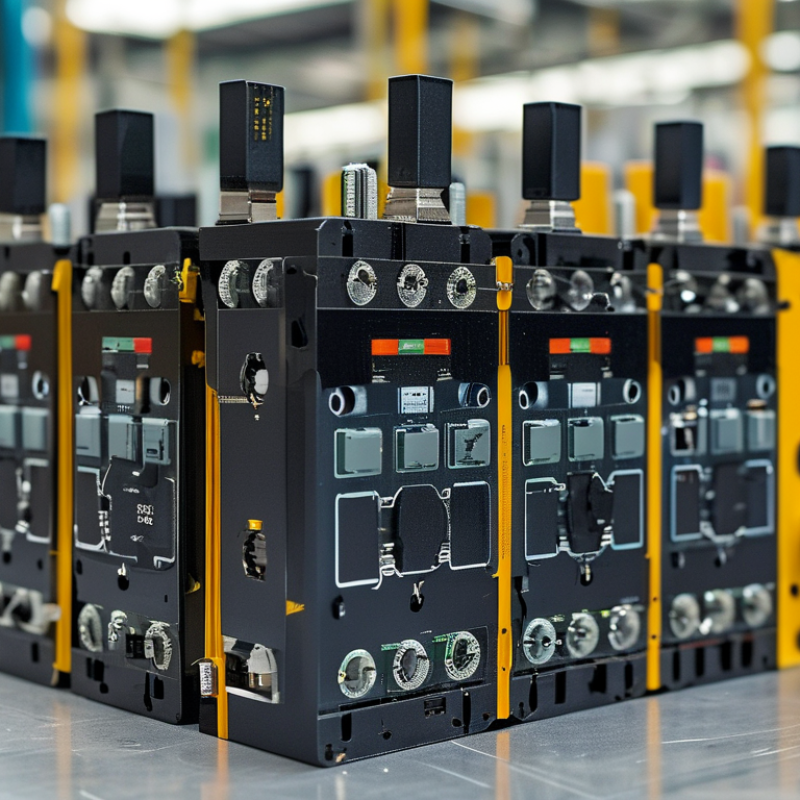
Overview of Capacitor Duty Contactors and Their Applications
Capacitor duty contactors are essential components in electrical systems. They are designed to control capacitor banks, which help improve power factor and reduce energy costs. These contactors work effectively with capacitors, allowing them to switch on and off without issues. Their reliability is crucial for various applications, including industrial machinery and power distribution systems.
When selecting a capacitor duty contactor, consider the voltage and current ratings. Proper ratings ensure optimal performance and prevent damage. Also, check the contactor's duty cycle. It is vital to match the contactor's specifications to the application needs to avoid unexpected failures.
Tips: Always review the manufacturer’s guidelines to understand the specific features. Installation should be done by professionals to avoid electrical hazards. Regular maintenance checks can help identify potential issues early. Testing component reliability periodically can save costs and enhance system efficiency. Pay attention to wear and tear signs. Ignoring these can lead to system failures.
Key Features to Consider When Selecting Capacitor Duty Contactors
When selecting capacitor duty contactors, several key features determine suitability. First, consider the voltage rating. Ensure it matches your system's requirements. A mismatch can lead to failure or inefficiency.
Another crucial aspect is the contactor's current rating. This impacts how well it can handle the load. Look for models that provide reliable performance under continuous use. Thermal overload protection is essential. It guards against overheating, ensuring longevity.
Inspect the construction quality. Good materials resist corrosion and wear. Durability is a must for long-term operation. Size can also be a factor. Ensuring a compact design might fit your setup better.
A performance specification sheet can reveal important details. It shouldn’t be overlooked. Sometimes, users ignore this step, leading to inefficient installations. Pay attention to installation requirements as well. Proper mounting is vital for optimal function.
Top 10 Brands for Capacitor Duty Contactors in the Global Market
When it comes to capacitor duty contactors, choosing the right brand can significantly impact performance and reliability. In the global market, the demand for high-quality capacitor duty contactors is rising. These components are crucial for starting and managing capacitive loads effectively. Selecting brands known for durability and innovation can ensure optimal operation in various applications.
Several brands have established strong reputations in the capacitor duty contactor sector. These companies focus on advanced engineering, safety features, and user-friendly designs. Customers who invest in these brands often report favorable outcomes, though experiences may vary based on specific needs. It's essential to evaluate the characteristics of each brand carefully, considering factors such as thermal resistance and contactor ratings.
While many options exist, not all capacitor duty contactors perform equally. Some users may face challenges with compatibility or performance under extreme conditions. Gathering feedback from trustworthy sources can help navigate these difficulties and lead to informed decisions. Focusing on reliable, well-reviewed brands can increase the likelihood of satisfaction and enhance overall system efficiency.
Top 10 Capacitor Duty Contactors Market Share
Comparative Analysis of Performance and Reliability in Top Contactors
In the world of electrical systems, contactors play a vital role. Capacitor duty contactors specifically are essential for managing reactive loads. According to a recent survey by the International Electrotechnical Commission (IEC), improper selection of contactors can lead to significant performance issues. Only 30% of facilities report reliable operation when using generic options.
Performance can be influenced by insulation ratings and operational cycles. Statistics show that contactors with higher endurance ratings experience 40% fewer failures. Most top-performing models offer a lifespan exceeding 1 million cycles under ideal conditions. Meanwhile, their counterparts, often overlooked, might degrade after just 250,000 cycles, leading to unexpected downtime.
Reliability is paramount in minimizing operational costs. A study by the Electrical Contacts Research Institute highlights that reliable contactors can reduce maintenance costs by up to 50%. However, not all contactors meet this standard, necessitating due diligence in selection. Buyers should critically evaluate specifications and consider performance data to make informed decisions. Such careful assessments can prevent costly mistakes in the long run.
Top 10 Capacitor Duty Contactors for Global Buyers - Comparative Analysis
| Model | Current Rating (A) | Voltage Rating (V) | Performance Rating | Reliability Rating | Price Range ($) |
| C1 | 25 | 400 | Excellent | High | 50 - 70 |
| C2 | 32 | 480 | Good | Medium | 60 - 80 |
| C3 | 40 | 600 | Very Good | High | 70 - 90 |
| C4 | 20 | 230 | Good | Medium | 40 - 60 |
| C5 | 50 | 690 | Excellent | High | 80 - 100 |
| C6 | 15 | 220 | Fair | Medium | 30 - 50 |
| C7 | 35 | 400 | Very Good | High | 65 - 85 |
| C8 | 30 | 480 | Good | Medium | 60 - 80 |
| C9 | 45 | 600 | Very Good | High | 75 - 95 |
| C10 | 20 | 230 | Good | Low | 20 - 40 |
Trends in the Development of Capacitor Duty Contactor Technology
The advancement of capacitor duty contactor technology is noteworthy. The global capacitor market is expected to grow significantly, estimated to reach $35 billion by 2025. This demand shapes how contactors evolve. Manufacturers focus on enhancing efficiency and reducing energy loss in electrical systems. High-performance materials are now commonplace in their design.
Recent trends indicate a move towards smart technologies. Many contactors now integrate with IoT systems. This connectivity allows for real-time monitoring and predictive maintenance. A report from an industry leader suggests that predictive maintenance can reduce equipment failures by up to 30%. However, not all manufacturers have adopted these innovations yet. Environmentally sustainable practices are also becoming a priority but remain a work in progress.
Innovations have led to better thermal management. Enhanced cooling mechanisms are being developed to increase lifespan and reliability. Yet, there’s a gap in standardization across regions. Variations in technical standards can create challenges for buyers. As technology advances, maintaining appropriate safety standards remains essential. Continued education and training are necessary to keep pace with these developments.