What Are the Top Garage Door Styles?
Choosing a garage door is more than selecting a color for the front of a home. The right design affects curb appeal, daily convenience, insulation, security, and long-term maintenance. This guide explores the most popular garage door styles and explains where each one performs best.
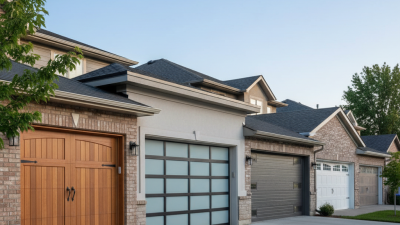
Traditional raised-panel doors remain common because their balanced lines suit many home designs. Carriage-house doors add decorative handles, window grids, and a handcrafted appearance. Contemporary full-view doors use aluminum frames and glass panels, creating a clean look with natural light inside the garage. Their glass may need frequent cleaning, especially near busy roads. That detail is easy to overlook.
Different materials also change the ownership experience. Steel doors usually provide strength and dependable weather resistance. Wood offers warmth and character, but it may require regular sealing in damp climates. Insulated doors can make an attached garage more comfortable and reduce temperature transfer into nearby rooms. However, insulation quality depends on construction, seals, and installation, not just the advertised rating.
Reliable guidance should consider more than appearance. Professional installers typically evaluate the opening, track alignment, spring system, local weather, and opener compatibility before recommending a style. Homeowners should also check manufacturer specifications and warranty terms. A beautiful door can still disappoint if its hardware is poorly matched or its windows face harsh sunlight. No style is perfect. The best choice balances architecture, budget, maintenance, climate, and everyday use. The following overview compares leading garage door styles with practical details to support a confident, realistic decision.
What Defines a Garage Door Style?
What Are the Top Garage Door Styles?
What Defines a Garage Door Style?
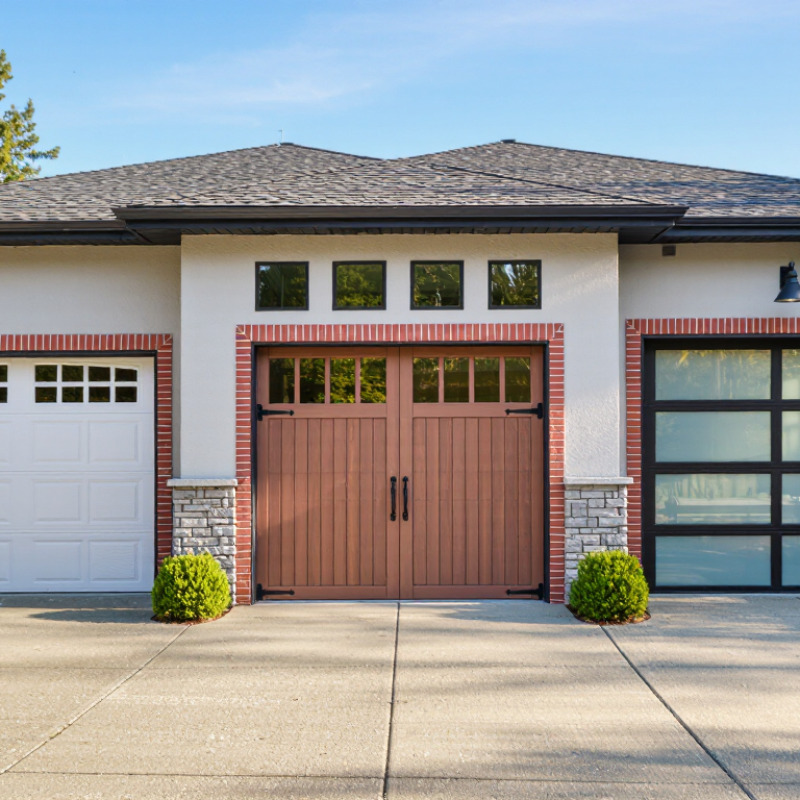
A garage door style is defined by more than its color. It combines panel shape, material, window layout, opening mechanism, and decorative hardware. Traditional raised panels create a familiar suburban appearance. Flush panels look cleaner and suit contemporary homes. Carriage-house designs imitate swing doors, although many use a modern overhead track.
Material changes the visual character and maintenance needs. Steel offers crisp lines and dependable strength. Wood adds visible grain, warmth, and regular upkeep. Glass panels bring daylight into a dark garage, but privacy and insulation require careful planning. Experienced installers also check the home’s roofline, exterior trim, and driveway width. A beautiful door can still look misplaced.
Industry data shows why style decisions deserve attention. The 2023 Remodeling Impact Report from the National Association of Realtors and the National Association of the Remodeling Industry estimated 102% cost recovery for garage door replacement. Zonda’s 2024 Cost vs. Value report reported about 194% recouped value. The difference is substantial. Their methods and market samples differ, so neither figure guarantees resale results.
Small details matter. Dark colors can emphasize a wide door, while divided-light windows can make a plain façade feel more architectural. Decorative handles may improve authenticity, but excessive hardware can appear forced. I would not choose a style from a showroom photo alone. Observe the door at dusk, when shadows reveal awkward proportions. That step is easy to miss.
How Traditional Garage Door Styles Are Designed
Traditional garage doors remain popular because their design feels familiar without looking outdated. Raised-panel doors use repeated rectangular sections, creating orderly shadows across the facade. Carriage-house doors imitate swing-out doors but usually operate overhead. Recessed panels offer a quieter, flatter appearance. Each style depends on proportion, not decoration alone.
Material choices shape the result. Steel supports crisp panel lines and requires limited maintenance. Wood adds visible grain, but it demands regular sealing in wet climates. Insulated cores can reduce temperature swings inside the garage.
The 2024 Cost vs. Value Report by Zonda estimated a national return of about 194% for garage door replacement.
That figure is striking, but it is not a promise. Local labor, door quality, and installation accuracy change the outcome.
Traditional design also relies on small visual decisions. Windows should align with nearby house windows, not simply fill empty space. Dark hardware can suggest historic carriage doors, while excessive hardware may look theatrical.
During a site review, a two-inch mismatch between the door and surrounding trim can feel surprisingly obvious.
I still think many homeowners choose color too early. Start with panel rhythm, roof pitch, and facade materials. Then test the door in morning and evening light. A traditional door should support the house, not compete with it.
How Modern Garage Door Styles Differ
What Are the Top Garage Door Styles?
How Modern Garage Door Styles Differ
Modern garage door styles differ through materials, panel design, glass, insulation, and daily performance. Flush-panel doors create a clean, architectural surface with fewer visual breaks. Full-view doors use large glass sections and narrow frames, bringing daylight into the garage. Wood-look steel offers warmth without requiring constant refinishing. Traditional raised panels remain practical, but their divided shapes feel less minimal.
From measuring homes, I have found that appearance is only one part of the decision. A dark finish can absorb intense sunlight and show dust quickly. Large glass panels may brighten a workshop, yet they can reduce privacy and increase heat gain. Insulated doors feel quieter during operation and help stabilize temperatures near connected rooms.
Check the door’s insulation rating, wind resistance, hardware quality, and opening size before choosing a style. Local weather matters. So does the garage’s position on the house.
Tips: Compare samples outdoors, not only under showroom lighting. Measure the opening twice. Ask a qualified installer to inspect framing, tracks, springs, and clearance. I once preferred a dramatic glass design, but its maintenance needs changed my mind. No style wins every test. A practical choice should match your climate, security needs, architecture, and willingness to clean the surface.
How Carriage House Doors Combine Classic and Modern Features
What Are the Top Garage Door Styles?
How Carriage House Doors Combine Classic and Modern Features
Among today’s garage door styles, carriage house doors offer a distinctive balance of heritage and convenience. Their decorative hinges, crossbuck patterns, and divided window designs recall old barn doors. However, modern versions usually operate with an overhead opening system. The doors look traditional without requiring extra driveway space.
A well-designed carriage house door can improve a home’s street appearance immediately. I have seen plain garages feel warmer after adding shallow panel details and small windows. Steel, wood, and composite materials provide different maintenance requirements. Wood offers natural grain, but it needs regular sealing in damp climates. Insulated steel can provide steadier indoor temperatures and better durability.
Details matter more than decoration alone. Window placement should support privacy while admitting daylight. Decorative hardware must be securely attached and made for outdoor exposure. Professional measurement is essential because uneven openings can cause rubbing, noise, or premature wear. A qualified installer should also check the spring system and automatic reversal sensors.
The style is not perfect. Heavy-looking panels may overwhelm a small façade. Too many decorative elements can appear staged rather than historic. I would compare samples beside the home’s brick, siding, and roof color before choosing. Sometimes a simpler carriage house design feels more authentic. That small hesitation can prevent an expensive mistake.
How to Compare Garage Door Styles for Your Home
Comparing garage door styles starts with your home’s architecture, not a catalog photo. Raised-panel doors suit traditional houses and usually offer practical, affordable construction. Carriage-house designs add decorative hinges and handles, creating a handcrafted appearance without swinging outward. Contemporary full-view doors use glass and aluminum, making garages feel brighter and more connected to outdoor spaces. Privacy can suffer.
Check insulation, maintenance, hardware, and opening space before choosing a style. In cold or hot climates, insulated sectional doors may reduce temperature swings inside the garage. Look for the door’s R-value, but compare testing methods carefully. Numbers can mislead.
A professional installer should inspect tracks, springs, framing, and weather seals. Measure twice. A beautiful door still performs poorly when the opening is uneven.
Financial data also supports careful comparison. Zonda’s 2024 Cost vs. Value Report estimated a 193.9% return for garage door replacement, one of the strongest exterior remodeling results. The National Association of Realtors’ 2023 Remodeling Impact Report reported about 102.7% cost recovery for the same project. These studies use different methods, so the figures are not guarantees.
Steel, wood, composite, and aluminum each change the price, upkeep, and lifespan. Wood offers warmth but needs recurring sealing. Steel is dependable, though dents remain visible. Glass panels look striking, yet they demand thoughtful privacy and solar control.
Related Posts
-
10 Essential Tips for Choosing the Best Residential Garage Doors?
-

How to Maintain Garage Doors from China Top Suppliers?
-

Top Local Garage Door Suppliers Worldwide
-
Why Choosing a Local Garage Door Service is the Best Decision for Your Home
-
What is a Garage Door Specialist and What Do They Do?
-
How to Choose the Best China Garage Door Specialist?