
What Are the Top Garage Door Types for Global Buyers?
Choosing the right garage door is no longer a purely local decision. Global buyers compare insulation, security, weather resistance, maintenance, and installation support before selecting a product. The market is expanding, but published estimates differ. Grand View Research valued the global garage door market at approximately USD 3.09 billion in 2023, while Fortune Business Insights reported a broader estimate of USD 7.43 billion. Their different scopes deserve attention.
The choice is practical.
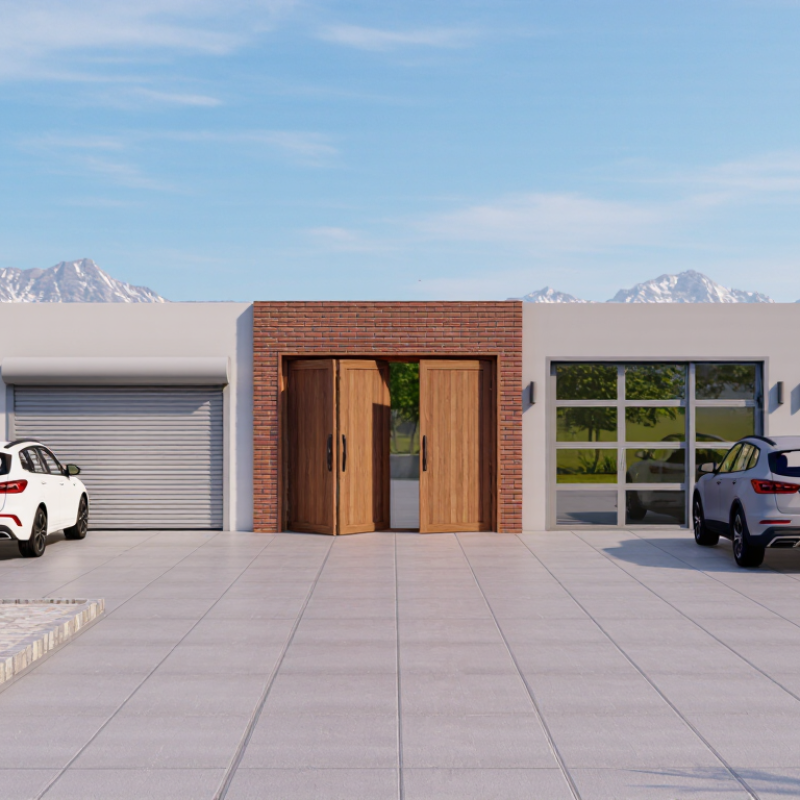
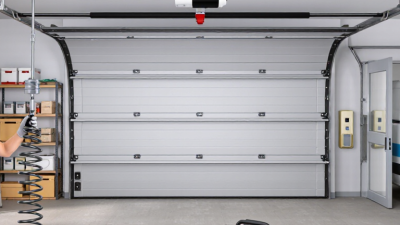
Sectional garage doors suit many residential projects because they save driveway space and support insulated panel designs. Roller doors offer compact storage and convenient operation, especially where ceiling space is limited. Side-hinged doors can match traditional façades, but they require clear opening space. Full-view aluminum doors create a modern appearance, although glass increases weight, cost, and heat-transfer concerns.
Garage door safety expert Richard Kinch is widely associated with the warning, “The garage door is the largest moving object in your home.” That observation should guide every purchase, not just premium projects. Buyers should examine spring systems, automatic reversal features, wind ratings, panel construction, and available replacement parts. Climate matters too. Coastal locations may need corrosion-resistant finishes, while colder regions benefit from higher insulation values.
No single garage door type wins everywhere. That is the uncomfortable part. A beautiful door may perform poorly in strong wind or humid air. A low-cost model may create higher maintenance expenses later. This introduction compares leading types through market evidence, practical installation experience, and regional buying conditions, while recognizing that manufacturer claims still require careful verification.
What Defines a Garage Door Type for Global Buyers?
A garage door type is defined by more than its appearance. Its movement, construction, insulation, and installation space matter to global buyers. A sectional door travels upward in connected panels, saving driveway space. A roller door coils above the opening and suits compact garages. A side-hinged door opens outward, offering a traditional look but requiring clear frontage. Each design changes daily access, ventilation, maintenance, and security.
Climate should guide the choice. In coastal areas, corrosion-resistant hardware deserves close attention. Cold regions may need insulated panels and tight weather seals. Hot climates benefit from reflective surfaces and controlled airflow. Measure the opening, ceiling height, side clearance, and available power before comparing products. Check whether the door can operate during a power failure. Also confirm local building, electrical, fire, and wind-load requirements with a qualified installer.
Materials define service expectations. Steel usually provides strength, while aluminum can reduce weight. Wood offers warmth but needs regular protection against moisture and insects. No material performs perfectly everywhere. That point is easy to overlook. A low-cost door may become expensive when seals, springs, or remote controls need frequent replacement. During site evaluations, installers should inspect drainage, uneven floors, and nearby obstacles. Buyers should request clear warranty terms, maintenance guidance, and replacement-part availability in their region. A beautiful door is not useful if technicians cannot service it.
What Are the Top Garage Door Types for Global Buyers? - What Defines a Garage Door Type for Global Buyers?
| Garage Door Type | Defining Operating Principle | Typical Door Sizes | Headroom Requirement | Insulation Potential | Best Climate or Site Conditions | Main Advantages | Key Buyer Considerations |
|---|---|---|---|---|---|---|---|
| Sectional Door | Multiple hinged panels move vertically and then horizontally along ceiling-mounted tracks. | Common single-car widths: approximately 2.4–3.0 m; double-car widths: approximately 4.8–5.5 m. Heights commonly range from 2.0–2.4 m. | Usually requires approximately 200–350 mm above the opening, depending on the lift system and door height. | High. Insulated steel or composite panels can provide substantially better thermal performance than single-layer doors. | Cold, hot, and mixed climates; especially suitable where energy efficiency and weather sealing are priorities. | Good insulation, strong weather resistance, smooth operation, and broad design flexibility. | Requires clear ceiling space and accurate track installation. Spring and cable systems need periodic inspection. |
| Roller Shutter Door | Narrow slats roll into a compact curtain above the opening or inside a header box. | Common widths range from approximately 2.4–5.5 m; heights commonly range from 2.0–3.0 m. | Typically requires limited overhead clearance, often approximately 300–450 mm for the roll or cassette. | Moderate to high, depending on slat profile, seals, and whether the curtain is insulated. | Compact garages, urban properties, commercial openings, and locations with limited ceiling space. | Saves ceiling space, offers convenient automation, and provides a clean external appearance. | The curtain box can reduce clear opening height. Wind resistance and side-guide design are important in exposed locations. |
| Up-and-Over Door | A single rigid panel tilts outward and then slides into the garage under the ceiling. | Common widths range from approximately 2.4–3.0 m; typical heights are approximately 2.0–2.4 m. | Often requires approximately 100–300 mm above the opening, depending on the frame and operating gear. | Low to moderate for common single-skin models; higher for insulated sandwich-panel versions. | Detached garages and locations where a simple, economical door is preferred. | Simple construction, relatively easy maintenance, and competitive initial cost. | The panel usually swings outward, so vehicles, walls, and walkways must remain clear during opening. |
| Side-Hinged Door | One or two leaves open outward or inward on vertical hinges, similar to a pair of entrance doors. | Single-leaf widths commonly range from approximately 0.9–1.2 m; double-leaf assemblies are often approximately 1.8–2.4 m wide. | Minimal overhead clearance; the main requirement is sufficient side and front swing space. | Moderate to high when built with insulated frames, seals, and insulated panels. | Traditional properties, garages used frequently for pedestrian access, and buildings with obstructed ceilings. | Easy pedestrian entry, low ceiling-space demand, and straightforward manual operation. | Needs exterior clearance and strong hinges or hold-back hardware, particularly in windy areas. |
| Bi-Fold or Folding Door | Two or more connected panels fold or stack toward the sides or upward when opened. | Custom sizes are common; residential openings often range from approximately 2.4–6.0 m wide and 2.0–3.0 m high. | Low to moderate, depending on whether the system folds vertically or horizontally. | Moderate; performance depends on panel construction, joints, perimeter seals, and glazing selection. | Wide openings, modern homes, workshops, and properties requiring flexible access. | Creates wide access, supports architectural customization, and can combine vehicle and pedestrian use. | More hinges, guides, and moving joints can increase maintenance needs. Wind loading must be evaluated carefully. |
| Sliding Garage Door | One or more panels travel horizontally along floor or overhead tracks beside the garage opening. | Common custom openings range from approximately 2.4–6.0 m wide and 2.0–3.0 m high. | Low overhead requirement, but adequate side wall length is necessary for the panels to park when open. | Moderate to high, depending on panel thickness, overlapping joints, and the quality of perimeter seals. | Garages with limited headroom, large openings, and buildings where side clearance is available. | Works under low ceilings, accommodates large openings, and avoids outward swing into driveways. | Requires unobstructed side space and clean, accurately aligned tracks. Floor tracks may need protection from dirt and water. |
Related Posts
-
How to Maintain Garage Doors from China Top Suppliers?
-
How to Find a Reliable Garage Door Specialist?
-

What is a Local Garage Door and How to Choose the Right One?
-
Top Local Garage Door Suppliers Worldwide
-

2026 Top Trends in Garage Door Styles and Innovations?
-
How to Find a Reliable Garage Door Handyman?