
Skip to Content
chevron-left chevron-right chevron-up chevron-right chevron-left arrow-back star phone quote checkbox-checked search wrench info shield play connection mobile coin-dollar spoon-knife ticket pushpin location gift fire feed bubbles home heart calendar price-tag credit-card clock envelop facebook instagram twitter youtube pinterest yelp google reddit linkedin envelope bbb pinterest homeadvisor angies

Top Types of Color Dosing Machines for Industrial Buyers

Industrial color control looks simple: add pigment, mix, and repeat. In production, small dosing errors can create visible shade variation, scrap, and costly line adjustments. A Color Dosing Machine meters pigment or masterbatch into a process. The right design depends on material form, throughput, recipe changes, and accuracy targets. Buyers should also consider cleaning time and how easily operators can verify recipes. That matters.

The scale is substantial. Plastics Europe’s Plastics – the Fast Facts 2024 reports global plastics production of 413.8 million tonnes in 2023. The OECD’s Global Plastics Outlook (2022) adds value-chain context, examining plastics production, use, and waste. Together, these reports describe an industry where material efficiency and process control matter, though neither measures dosing-machine demand. This distinction matters. Major options include gravimetric and volumetric units, central and machine-side systems, and batch or continuous dosing. Each fits different operating conditions. Free-flowing pellets may feed predictably; fine powders can bridge, cling to surfaces, or react to static. A supplier’s accuracy figure is only a starting point. Ask for trials using your resin, colorant, target rate, and recipe range. No catalog can settle every question. This guide compares common machine types, their strengths, and practical limitations. One point is easy to overlook: precise dosing cannot fix inconsistent raw materials or a weak color formulation.
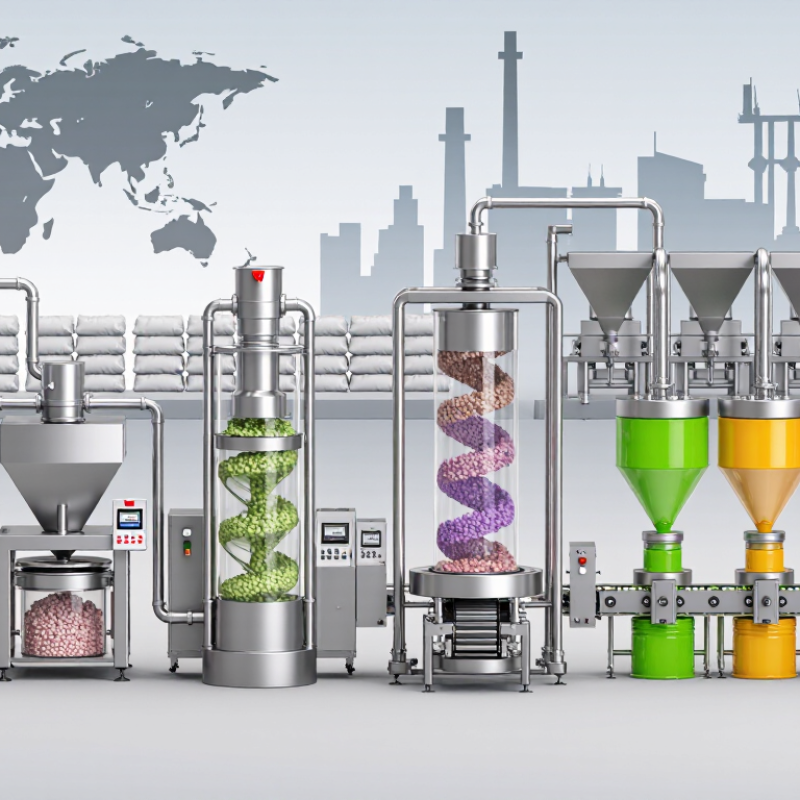
Top Types of Color Dosing Machines for Industrial Buyers

What Color Dosing Machines Do in Industrial Production

In many plastics plants, a color dosing machine meters concentrated pigment or masterbatch into a base material before processing. It delivers a controlled quantity into the production stream, helping batches maintain a similar shade without hand-measuring every run. Some systems dose by volume, while gravimetric units check material weight and adjust the feed as production changes. Small changes matter. A slight dosage shift can create a pale streak, a darker molded edge, or wasted concentrate.

Operators set a target ratio, load the colorant hopper, and check that material flows freely through the feeder. The machine synchronizes dosing with the main process, such as extrusion or injection molding, depending on the setup. For example, a line switching from natural resin to blue pellets may need a brief purge and a first sample checked under consistent lighting. Dust, bridging, and inconsistent pellet size can affect feeding, so routine cleaning and calibration remain essential. A dosing unit cannot correct every variation; color shifts may come from material or process conditions, not just the pigment.

How Color Dosing Machines Measure and Dispense Pigments

A color dosing machine turns a target pigment ratio into a controlled feed. Many systems use gravimetric measurement, weighing pigment as it enters or leaves a hopper. A load cell detects small weight changes, and the controller adjusts the feeder to approach the setpoint. It is precise, but not effortless.

Other machines dose by volume. A calibrated screw, pump, or metering chamber dispenses a set amount with each rotation or stroke. This can suit steady production, though pigment density and flow behavior may change the delivered mass. Fine powder can bridge above a screw; a viscous concentrate may cling inside a tube. Small details matter.

The recipe sets the target, but calibration checks whether the machine delivers it. Operators can weigh a test dose, compare it with the target, and adjust feeder speed or timing. Keep pigment containers clean and note changes in material lot or temperature. Static can also affect powder flow. It is easy to overlook. Measurement should be checked under real operating conditions, not only during setup. One imperfect point: even a well-calibrated machine may need attention after a material change.

Main Types of Color Dosing Machines for Industrial Use

Industrial color dosing machines mainly use volumetric, gravimetric, or liquid-metering systems. Volumetric feeders dispense material by screw speed or volume. They suit stable processes and lower-cost setups, but bulk-density changes can shift the delivered amount. Gravimetric batch units weigh each dose before mixing. Continuous loss-in-weight feeders track hopper weight as material flows, helping maintain a target ratio during production. Liquid colorants typically need pumps and flow meters designed for their viscosity.

The choice matters in plastics processing, where a small shade variation can show across a long run of molded parts. PlasticsEurope’s Plastics – the Fast Facts 2024 estimates global plastics production at 413.8 million tonnes in 2023. That scale underscores why repeatable dosing and controlled material handling matter. Match the machine to throughput, recipe changes, and the colorant’s form. Check cleaning access, calibration procedures, and how the feeder responds to vibration. A specification sheet alone may not reveal awkward changeovers; trial the intended material where possible.

Tips: Verify dosing consistency over several cycles, not just one. Keep colorant dry and free-flowing where required. Record settings and actual output. Small drift can hide in plain sight.

How Machine Types Differ in Accuracy, Capacity, and Compatibility

Volumetric screw feeders suit steady production and straightforward color changes. They meter by screw speed, so bulk-density shifts can affect the delivered dose. Gravimetric batch systems weigh each ingredient, making them useful for small recipes or frequent color changes. Small batches behave differently. Check the minimum dose against the scale’s resolution; a tiny pigment addition can fall below reliable measurement.

For continuous lines, loss-in-weight feeders track material leaving a hopper and adjust feed rate. They can support higher throughput, but vibration, bridging, and refill cycles need attention. Liquid colorants usually call for pumps and flowmeters, with seals and tubing matched to the carrier fluid. Plastics Europe’s Plastics—The Fast Facts 2023 reports 400.3 million tonnes of global plastics production in 2022, illustrating the range of processing scales buyers must accommodate. That figure is not a dosing specification. Compare machine capacity with actual line output, then test accuracy using the intended material and recipe. A supplier’s stated tolerance may not hold with every pigment. Compatibility deserves a real trial.

Top Types of Color Dosing Machines for Industrial Buyers - How Machine Types Differ in Accuracy, Capacity, and Compatibility

Machine Type Typical Metering Accuracy* Representative Capacity* Best-Fit Colorant Common Applications Key Compatibility Considerations
Volumetric screw or auger feeder About ±1–3% after calibration; actual dosing can vary with bulk density and flow behavior. Approximately 0.5–200 kg/h, depending on screw size and material. Free-flowing powders, granules, and some pelletized colorants. Extrusion and compounding lines where a simple, economical feed rate is sufficient. Works best with consistent particle size and bulk density. Cohesive or dusty powders may need agitation or a specialized hopper.
Gravimetric batch blender Often around ±0.1–0.5% of the target dose under suitable operating conditions. From small gram-level batches to tens of kilograms per hour; model and recipe determine the range. Pellets, granules, and compatible free-flowing powders. Injection molding and extrusion, especially where recipe-based batch control is useful. Supports multiple ingredients and recipe changes. Check minimum dose size, hopper layout, and cleaning access when switching colors.
Loss-in-weight gravimetric feeder Commonly around ±0.25–1% of feed rate in stable conditions; performance depends on the material and installation. Roughly 0.1–1,000 kg/h across different feeder sizes and configurations. Pellets, granules, powders, and other materials that can be fed consistently. Continuous extrusion, compounding, and processes needing controlled additive-to-base-material ratios. Measures weight loss over time. Vibration, refill behavior, and material bridging can affect readings and require suitable system design.
Liquid colorant dosing pump Often around ±0.5–2% of flow after calibration with the intended liquid; viscosity and pulsation matter. Approximately 0.01–100 L/h across common industrial pump arrangements. Liquid dyes, pigments, and other pumpable color concentrates. Plastics processing, coatings, inks, and other processes using liquid colorants. Confirm chemical compatibility, viscosity range, wetted materials, seals, and cleaning requirements. Very viscous or abrasive liquids may need a different pump design.

*Figures are representative planning ranges, not guaranteed specifications. Actual accuracy and capacity depend on the machine design, colorant properties, dose rate, calibration, and process conditions. Confirm requirements with the equipment supplier before selection.

How Buyers Select and Maintain a Suitable Dosing System

Industrial color dosing systems commonly use volumetric screws, gravimetric feeders, or liquid metering pumps. A volumetric unit meters by screw speed, making it simple for steady, free-flowing granules. A gravimetric system weighs material continuously and can correct output when bulk density shifts. Liquid systems suit concentrates that disperse more evenly as liquids, but viscosity and temperature affect flow. There is no universal winner. Buyers should match the feeder to the colorant, base material, and required production rate.

Ask for trials using actual production material, not only a sample resin. Record dose accuracy at low and high rates, startup waste, and color consistency across several batches. Check whether the hopper, screw, seals, and controls fit the production line and cleaning routine. A small hopper may bridge with powder; a narrow screw can hold residue after a color change. Small details matter. Operators should be able to inspect contact parts without awkward disassembly. Keep calibration records. No checklist catches every awkward material.

Set maintenance around actual use. Inspect feed screws and seals for wear, remove buildup before it hardens, and verify scales with known test weights. For liquid dosing, check tubing, pump output, and leaks; replace components when flow drifts, not only after failure. Keep spare wear parts available, but avoid changing settings to mask a clogged feeder. A short daily check and documented periodic calibration can reveal drift early. During acceptance testing, leave time for a color change and restart; these steps expose problems a steady run can hide.