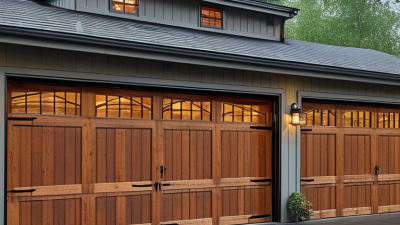
7 Best Overhead Garage Door Manufacturers Worldwide?
Choosing an overhead garage door manufacturer is more complicated than comparing prices online. A reliable door must suit the building, climate, traffic level, and installation conditions. This guide introduces seven respected manufacturers worldwide, with attention to product quality, engineering, safety features, and long-term support.
The comparison considers insulated steel panels, corrosion-resistant finishes, quiet operating systems, and compatible openers. It also examines warranty terms, replacement-part availability, installer networks, and customer service. These details matter when a door opens several times each day or faces heavy rain, salt air, snow, or intense sunlight. A smooth track, balanced springs, and tight weather seals can make a noticeable difference in daily use.
Real-world experience still matters. Published specifications rarely show how a door performs after years of vibration, temperature changes, and repeated cycles. No ranking is flawless. Local installation quality may influence performance more than brand reputation. Some manufacturers offer impressive technology, but their service coverage may be limited in certain regions. Others provide simpler designs that are easier to repair.
This overview aims to provide practical, evidence-based guidance for homeowners, builders, and commercial property managers. Each manufacturer is assessed through a balanced lens rather than promotional claims. Readers should verify current models, certifications, lead times, and local support before purchasing. A dependable overhead garage door is not merely a large moving panel. It is part of the building’s security, insulation, appearance, and everyday convenience.
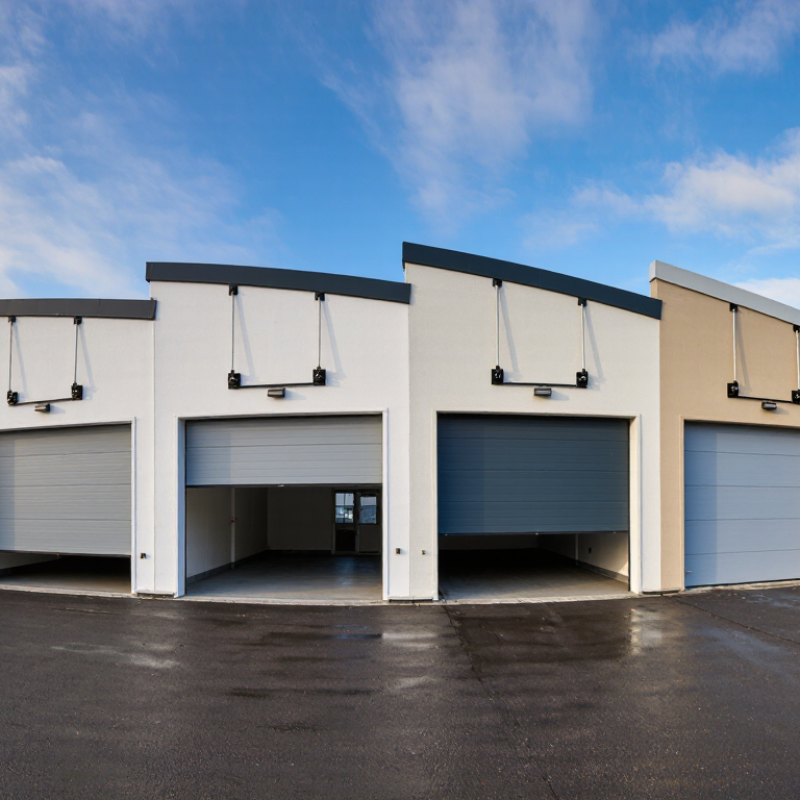
What Defines a Leading Overhead Garage Door Manufacturer
A leading overhead garage door manufacturer is defined by controlled performance, not a polished catalog. Installers look for accurate panel alignment, quiet rollers, stable springs, and hardware that survives seasonal movement. The test is physical. A door should close evenly on a cold morning and after thousands of cycles. That sounds basic. It is not.
Fortune Business Insights’ recent Garage Door Market report projects roughly 5% annual growth through 2030. Renovation and new construction drive much of this demand. Strong manufacturers respond with measurable engineering, not vague claims. They publish cycle-test methods, load ratings, insulation values, and spare-parts availability. UL 325 requirements for door operators also matter. So do local building codes. A low U-factor can improve thermal control, but only when seals and installation remain consistent.
Service reveals more than advertising. A dependable supplier trains installers, documents maintenance, and tracks warranty failures by component. Replacement parts should remain available after the original sale. This reduces downtime for homeowners and facility managers. Experienced buyers also inspect wind-load data, corrosion protection, and emergency release design. No factory is perfect. Even excellent products can fail through poor installation, incorrect spring sizing, or neglected lubrication. That is why transparent testing and accessible technical support deserve more weight than the lowest quotation.
How the Seven Manufacturers Were Selected and Evaluated
The seven manufacturers were selected through a structured review, not popularity alone. We compared safety records, product documentation, warranty clarity, installer networks, and regional service capacity. Technical evidence mattered most. Each candidate needed clear information about cycle testing, wind resistance, insulation, hardware, and emergency release systems.
Market reports helped define the comparison. Grand View Research estimates that the global garage door market reached about USD 2.5 billion in 2023, with continued growth expected through 2030. Fortune Business Insights also identifies replacement demand, residential construction, and automated access as major growth drivers. However, market share can hide weak after-sales support. That limitation required closer checking.
We reviewed public manuals, certification references, maintenance guidance, and professional installation resources. The Door and Access Systems Manufacturers Association emphasizes testing, safety devices, and correct installation across the access-door industry. We therefore examined whether technical claims matched published standards and practical instructions. Field experience also shaped the scoring. A door must open smoothly on a cold morning, seal against wind-driven rain, and remain serviceable after repeated use. Small details matter.
The evaluation was not perfect. Public data varies between regions, and manufacturers disclose different levels of testing. That makes direct comparison difficult. We scored documented performance higher than promotional language, then considered durability, energy performance, design range, service coverage, and total ownership cost. Seven candidates remained after this evidence-based review.
How the Seven Manufacturers Were Selected and Evaluated
The comparison used a balanced evaluation framework covering product quality, safety compliance, market experience, support capability, and long-term value. The percentages represent the weighting assigned to each criterion rather than company-specific results.
Profiles of Seven Top Overhead Garage Door Manufacturers Worldwide
The world’s leading overhead garage door manufacturers differ in climate expertise, engineering methods, and service coverage. A North American manufacturer often focuses on insulated steel doors, reinforced tracks, and wind-load testing. Its products suit attached garages and severe seasonal weather. A European producer typically emphasizes thermal performance, compact hardware, and clean sectional-door designs. Measured sealing matters in colder regions.
A Japanese manufacturer is known for precise motor systems and quiet movement. Small alignment errors can still create expensive service calls. An Australian producer commonly develops corrosion-resistant finishes for coastal homes and large temperature changes. A high-volume Asian manufacturer may offer extensive customization, competitive pricing, and rapid production. Buyers should verify weld quality, coating thickness, and independent test documents. A Turkish manufacturer often combines sectional-door manufacturing with flexible export logistics. Its strength may be practical customization rather than advanced automation. A Brazilian manufacturer usually pays close attention to humidity, heat, and regional installation conditions. Local technician training becomes especially important there.
Reliable evaluation requires more than factory size. Check cycle-life testing, safety sensors, spare-part availability, and warranty terms. Ask how the company handles warped panels or noisy rollers after installation. Real experience exposes weaknesses that brochures hide. Manufacturing quality can vary between product lines. Even respected producers need careful inspection, accurate measurements, and trained installers. A door that looks strong may still perform poorly when the tracks are uneven or the weather seal is incorrectly fitted.
Comparing Product Range, Materials, Safety, and Smart Features
Choosing among the world’s best overhead garage door manufacturers requires more than comparing prices. Product range matters first. Leading producers usually offer sectional, roller, and side-hinged systems, plus custom widths for older garages. A 2024 Grand View Research analysis identifies replacement demand as a major market driver, with the global garage door market projected to grow steadily through 2030. That growth can encourage rushed buying.
Materials reveal practical differences. Galvanized steel provides strong dent resistance and often supports insulated panels. Aluminum reduces weight and corrosion risk, especially in coastal areas. Wood offers visual warmth but needs regular sealing. Fiberglass can imitate wood, yet repairs may be less straightforward. The correct choice depends on climate, opening size, and daily cycles. No material wins everywhere.
Safety should outweigh decorative finishes. Look for photoelectric sensors, automatic reversal, emergency release, and tested pinch protection. UL 325 and EN 13241 provide useful safety references, although local installation requirements still matter. Smart features should include encrypted communication, activity alerts, user permissions, and manual operation during internet outages. Fortune Business Insights valued the global smart home market at USD 121.59 billion in 2024, showing strong demand for connected controls. However, I would not treat an app as proof of better security. A reliable door should still close safely when the Wi-Fi fails. Cycle-life testing, transparent warranty terms, and documented installer training deserve equal attention. Some comparisons overlook these details. That is a mistake.
7 Best Overhead Garage Door Manufacturers Worldwide: Comparing Product Range, Materials, Safety, and Smart Features
| Manufacturer Profile | Typical Product Range | Common Door Materials | Insulation Options | Core Safety Features | Relevant Safety Standards | Smart-Home Features | Customization Potential | Best Suited For |
|---|---|---|---|---|---|---|---|---|
| Profile 1 ★★★★★ |
Sectional overhead doors, side-hinged doors, rolling doors, and commercial industrial doors | Galvanized steel, aluminum, timber, and steel-composite panels | Single-skin, insulated foam-core, and high-performance multi-layer panels | Photoelectric sensors, automatic reverse, emergency manual release, pinch-resistant panel designs, and bottom-edge protection | UL 325 in applicable North American markets; EN 13241 in applicable European markets | Wi-Fi opener control, remote status alerts, activity history, guest access, and integration with major smart-home platforms | Extensive color, window, panel-profile, hardware, and size selections | Homeowners seeking a broad residential and light-commercial product portfolio |
| Profile 2 ★★★★★ |
Residential sectional doors, insulated carriage-style doors, rolling shutters, and dock or warehouse systems | Coated steel, aluminum, stainless steel, and engineered wood-look materials | Insulated steel doors with polyurethane or polystyrene cores; non-insulated options also available | Obstacle detection, photo eyes, controlled closing force, manual override, and optional pedestrian safety systems | CE marking and applicable machinery, building, and door-safety requirements by region | App-based operation, open/close notifications, scheduled access, remote diagnostics, and smart-light control | Multiple surface finishes, glazing layouts, decorative hardware, and architectural colors | Design-conscious residential projects and mixed-use buildings |
| Profile 3 ★★★★☆ |
Standard and premium sectional doors, rolling doors, fire-rated systems, and high-cycle industrial doors | Heavy-gauge galvanized steel, aluminum, fire-resistant materials, and composite panels | High-density insulated panels designed to improve thermal performance and reduce air leakage | Photo eyes, automatic reversal, overload protection, breakaway or emergency-release options, and safety edges for selected systems | Regional compliance may include UL 325, EN 13241, and local fire-door requirements | Connected controller options, maintenance alerts, access logs, and remote monitoring for commercial installations | Strong options for dimensions, wind-load ratings, vision panels, hardware, and high-cycle configurations | Warehouses, service facilities, retail premises, and demanding commercial applications |
| Profile 4 ★★★★☆ |
Residential sectional doors, compact rolling doors, side-sliding doors, and replacement door systems | Painted or galvanized steel, aluminum, fiberglass, and timber-effect finishes | Optional insulated construction, commonly using foamed-in-place or bonded-core panels | Automatic reverse, photoelectric protection, manual emergency operation, spring containment, and anti-drop devices where required | Applicable national installation rules, product safety requirements, and regional electrical standards | Smart opener compatibility, smartphone control, real-time alerts, and temporary digital access codes | Moderate-to-high choice of colors, windows, decorative inserts, and panel designs | Replacement projects where reliable installation support and practical styling are priorities |
| Profile 5 ★★★★☆ |
Large residential doors, panoramic glazed doors, sectional industrial doors, and high-speed fabric or rigid doors | Aluminum-framed glazing, steel, laminated panels, PVC-coated fabric, and impact-resistant materials | Thermally broken frames, insulated glazing, foam-core panels, and reinforced seals | Presence sensors, light curtains, automatic reversal, soft-start and soft-stop controls, and emergency stop systems | EN 12453 safety principles and EN 13241 product requirements where applicable | Building-management connectivity, fault notifications, usage data, remote diagnostics, and access-control integration | Very high flexibility for glazing, dimensions, finishes, operating speed, and architectural layouts | Modern homes, showrooms, commercial entrances, and high-traffic facilities |
| Profile 6 ★★★★☆ |
Cost-focused residential sectional doors, basic rolling doors, replacement panels, and standard opener packages | Galvanized steel, aluminum, vinyl-coated materials, and limited wood or composite options | Non-insulated and standard insulated versions, usually with fewer panel-performance choices | Photo eyes, automatic reverse, manual release, basic spring protection, and adjustable travel limits | Market-specific electrical and door-safety certification; requirements depend on the supplied opener and location | Optional Wi-Fi modules, basic mobile control, open/close notifications, and voice-assistant compatibility | Practical selection of standard sizes, colors, windows, and panel profiles | Budget-conscious homeowners, rental properties, and straightforward replacement work |
| Profile 7 ★★★★☆ |
Heavy-duty sectional doors, rolling steel doors, agricultural doors, loading-bay doors, and customized industrial systems | Heavy-gauge steel, galvanized steel, aluminum, stainless steel, and corrosion-resistant coated materials | High-R-value insulated panels, thermal breaks, perimeter seals, and purpose-built cold-storage options | Photo eyes, safety edges, emergency stops, anti-drop protection, overload monitoring, and high-cycle control systems | Applicable CE, EN 13241, local machinery rules, and site-specific workplace safety requirements | Industrial IoT monitoring, cycle counting, service reminders, fault reporting, access-control integration, and remote maintenance support | Excellent customization for wind resistance, corrosion exposure, dimensions, cycle frequency, and operating speed | Factories, logistics centers, farms, cold rooms, and high-use industrial environments |
Selection note: Safety and smart features depend on the complete door-and-opener system, professional installation, local code requirements, and the final configuration. Product availability, insulation ratings, certifications, and connected-home compatibility should always be confirmed for the target country.
How to Choose the Right Manufacturer for Your Garage Needs
7 Best Overhead Garage Door Manufacturers Worldwide?
Compare manufacturers through documented evidence. Ask for wind-load ratings, cycle-test results, insulation values, and compliance with applicable local building requirements. A reliable company should explain these figures clearly, without vague claims.
Review warranty terms carefully. Check whether they cover panels, springs, hardware, labor, or only selected defects. Details matter. Also investigate the installer network. Skilled installation influences balance, noise, safety, and long-term performance as much as the door itself.
Request recent project references, service response times, and replacement-part availability in your area.
Price deserves attention, but it should not lead the decision alone. A low quotation may exclude tracks, disposal, delivery, or electrical accessories. Ask for an itemized proposal with every assumption stated. Speak with technicians, not only sales staff, when possible. Their answers often reveal practical experience.
No checklist is perfect. I would still inspect a finished installation personally, because small alignment problems can become expensive later. The best choice is the manufacturer that matches your building conditions, service expectations, and realistic budget.
Related Posts
-
What Is the Best Type of Overhead Garage Door?
-
How to Choose the Best Overhead Garage Door in 2026?
-

How to Choose the Best Local Garage Door Service for Your Home Needs
-
Top 10 Handyman Services to Fix Garage Doors in China?
-
What is the Best Handyman Service to Fix Garage Doors?
-

Top 10 Garage Door Fixers You Should Know About?