What Is a Broken Garage Door and How Do You Fix It?
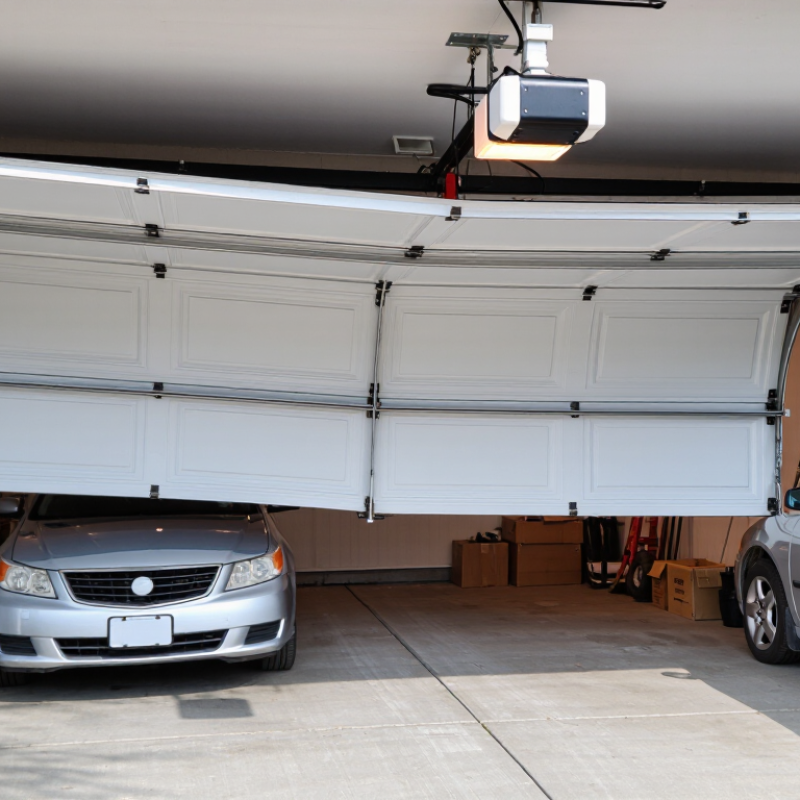
A broken garage door is more than an irritating morning delay. It can trap a vehicle, expose your home, or drop unexpectedly. Common warning signs include grinding rollers, a sagging panel, loose cables, bent tracks, and an opener that hums without lifting. The problem may look small. It may not be.
Safety data explains why careful diagnosis matters. The U.S. Consumer Product Safety Commission’s National Electronic Injury Surveillance System has recorded thousands of garage-door-related emergency injuries over time. Its safety guidance emphasizes automatic-reverse testing and keeping children away from moving doors. The Door & Access Systems Manufacturers Association (DASMA) also publishes technical guidance on door balance, operator protection, and entrapment prevention. These are not decorative recommendations. A closing door can weigh hundreds of pounds.
Tom Wadsworth, a longtime garage-door industry trainer, describes the risk clearly: “A garage door is the largest moving object in most homes.” That sentence deserves attention. Many homeowners test a noisy door by pulling harder or replacing a remote battery. Sometimes that works. Often, it hides a worn spring or damaged cable. I have seen repair advice simplify this issue too much. Springs and lift cables store dangerous energy, so trained technicians should handle those components. This guide explains how to identify a broken garage door, separate simple maintenance from serious failure, and choose a safer repair path. It also questions an uncomfortable habit: delaying service until the door stops completely. That usually makes the repair more expensive.
Define a Broken Garage Door: Common Failures in 150–400 lb Systems
A broken garage door is not always a collapsed door. In a 150–400 lb system, failure may appear as slow lifting, uneven travel, grinding, or complete refusal to move. The most common cause is a damaged torsion or extension spring. Springs support much of the door’s weight, while cables transfer force to the lifting drums. If a spring snaps, the door can become dangerously heavy. Never lift it alone. Loose cables, bent tracks, worn rollers, and cracked hinges can also stop movement. These parts often fail together after years of vibration, moisture, and repeated cycles.
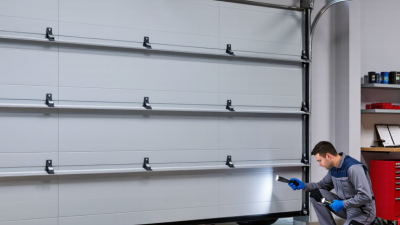
A practical inspection begins with the door closed. Look for separated spring coils, slack cables, loose fasteners, and rollers outside the track. Do not touch springs or cables under tension. A qualified technician should test balance and movement safely. A balanced door should lift smoothly and stay near mid-height without drifting. If it drops, rises, or binds, the counterbalance is unreliable. The opener may not be the real problem. A faulty sensor, stripped gear, or weak motor can stop operation, but an overloaded door can damage the opener again.
Repair depends on the failed component, not just the symptom. A trained technician can replace matched springs, reset cable tension, align tracks, and verify force settings. Quick adjustments may restore movement temporarily, but they can hide a deeper balance problem. That assumption is easy to make. A quiet door is not always safe; stable, controlled movement matters more than noise.
Inspect Springs, Cables, Tracks, and Openers Using ANSI/DASMA Safety Criteria
What Is a Broken Garage Door and How Do You Fix It?
A broken garage door may show uneven movement, loud popping, a loose cable, or a door that stays open. Inspect it using ANSI and DASMA safety principles, not guesswork. Start with the springs. Look for gaps, rust, stretching, or a visible break. Do not touch a tensioned spring. It can release dangerous force without warning.
Check both lift cables for fraying, slack, or separation from the drums. Examine the tracks for bends, loose fasteners, and crushed rollers. The door should travel smoothly without scraping. Test the opener only after checking the area. Its photo eyes should face each other, remain clean, and sit at matching heights. The door should reverse when it meets light resistance. Test the emergency release while the door is closed.
ANSI-aligned safety practices also require attention to force settings, entrapment protection, and secure mounting points. Never bypass sensors or remove safety hardware to make the door operate. That creates a hidden hazard. In real inspections, small alignment errors can resemble major opener failures. I have also seen doors repaired before the cause was found. That mistake returns quickly. A trained technician should repair springs, cables, drums, and structural supports. Recheck balance, travel limits, reversal response, and manual operation after every repair. Some problems look minor. They are not.
| Component or Safety Function | Common Symptoms | Likely Cause | Safe Inspection Method | Appropriate Repair or Next Step | Safety Priority | ANSI/DASMA-Aligned Safety Consideration |
|---|---|---|---|---|---|---|
| Mechanical Door Components | ||||||
| Torsion or Extension Springs | The door is unusually heavy, rises only a few inches, closes rapidly, or remains crooked. A visible gap may appear in a torsion spring. | A spring has lost tension or has broken. Springs also wear through repeated operating cycles. | With the door closed, look for a gap, loose coils, deformation, or a stretched extension spring. Do not touch, loosen, cut, or remove spring hardware. | Stop using the door and arrange for a qualified garage-door technician to replace and balance the spring system. Do not substitute a spring with an unverified size. | High | Springs are counterbalance components under high stored energy. Adjustment and replacement should be performed by trained personnel using compatible parts and proper containment practices. |
| Lift Cables | A cable is slack, frayed, off the drum, tangled, or the door hangs unevenly on one side. | Cable wear, a broken spring, a shifted drum, an obstructed track, or an unbalanced door. | Visually inspect from a safe distance with the door closed. Keep hands, tools, and clothing away from drums, pulleys, brackets, and cable loops. | Do not operate the door. A technician should secure the door, identify the underlying cause, and replace damaged cables as a matched and properly rated system when required. | High | Lift cables and drums can move suddenly when tension changes. A cable that has come off a drum is not a routine do-it-yourself adjustment. |
| Tracks and Rollers | Grinding, binding, shaking, rubbing, derailment, or a door that moves unevenly. | Obstructions, loose fasteners, bent tracks, worn rollers, or a door that is no longer properly balanced. | Check for objects in the track path and inspect for obvious bends or loose mounting hardware. Do not stand under a raised door or force a roller back into a track. | Remove only loose debris that can be reached safely. Have bent tracks, damaged rollers, and mounting hardware inspected and repaired by a qualified technician. | Medium to High | Tracks guide the door but are not intended to support a misaligned or improperly balanced door. Fasteners should be secure, and the door should travel without binding. |
| Hinges, Brackets, and Fasteners | Sections separate, hinges crack, brackets move, or loud popping occurs during travel. | Fatigue, corrosion, impact damage, loose fasteners, or excessive door load. | Inspect visually while the door is closed. Do not remove bottom brackets or loosen components connected to cables or springs. | Have damaged hinges, end brackets, center bearings, and bottom brackets evaluated. Replace components with compatible, properly rated parts. | High | Bottom brackets and some end hardware may be connected to high-tension cables or springs. Their removal can release stored energy unexpectedly. |
| Door Balance and Manual Travel | The door is difficult to lift manually, drops when released, or will not remain near the half-open position. | Incorrect spring tension, a damaged cable, friction, a bent track, or excessive door weight. | Only if the door is intact and there are no visible spring or cable problems, disconnect the opener using its emergency release and gently test movement. Stop if the door is heavy, unstable, or binds. | Do not compensate by increasing opener force. Have the counterbalance and hardware professionally adjusted before normal use. | High | A properly balanced door reduces stress on the opener and helps support safe operation. An opener is not a replacement for a correctly balanced door. |
| Automatic Opener and Entrapment Protection | ||||||
| Opener Motor and Drive System | The motor hums without moving the door, stops unexpectedly, reverses, operates slowly, or makes unusual noises. | A disconnected trolley, worn drive component, electrical fault, obstruction, excessive door resistance, or incorrect travel settings. | Check the power connection, wall control, and visible obstruction. Observe whether the trolley is engaged. Do not open the motor housing or bypass safety devices. | Disconnect power before simple external checks. If the opener strains, repeatedly reverses, or the door is not balanced, stop using it and request professional diagnosis. | Medium to High | Opener performance depends on a properly balanced door. Force or travel adjustments should not be used to overcome mechanical defects. |
| Photoelectric Safety Sensors | The door will not close, reverses immediately, or the opener indicator flashes. Sensor lights may be off or inconsistent. | Misalignment, dirt, damaged wiring, sunlight interference, loose brackets, or a failed sensor. | Check that both sensor lenses are clean, facing each other, securely mounted, and free of objects. Do not bypass or permanently disable the sensors. | Clean and realign the sensors if they are visibly shifted. If the door still fails the test, keep the door closed and arrange for service. | High | Photoelectric entrapment protection should interrupt closing when the beam is broken. It must remain installed, aligned, functional, and unobstructed. |
| Automatic-Reversal Test | The door contacts an object and does not reverse, reverses too late, or requires excessive pressure before reversing. | Incorrect force or travel settings, a mechanical problem, failed sensing equipment, or an obstructed door path. | After confirming the area is clear, place a suitable solid test object in the door’s closing path and activate the door from a safe position. Never use a person, pet, or body part as the test object. | If the door fails to reverse promptly or damages the test object, stop operation and obtain professional service. Do not simply increase closing force. | High | Automatic reversal and entrapment protection are critical safety functions. Testing should follow the opener instructions and applicable ANSI/DASMA safety requirements. |
| Emergency Release and Manual Operation | The door cannot be moved manually during a power outage, or the trolley will not disengage. | A damaged release mechanism, a jammed door, excessive counterbalance force, or a mechanical obstruction. | Use the emergency release only when the door is fully closed whenever possible. Keep clear of the door path and never pull the release while the door is moving. | If the door is open, crooked, heavy, or unstable, do not force the release. Secure the area and contact a qualified technician. | High | Manual-release operation should not create an uncontrolled door movement. The door must remain supported by a functioning counterbalance system. |
| Wall Control and Remote Controls | The opener responds intermittently, operates without a clear command, or the wall control is damaged or stuck. | Wiring damage, a defective control, depleted batteries, radio interference, or an improperly positioned control. | Inspect the control for damage and ensure the wall control is mounted where the user can see the door before operating it. Keep remotes away from children. | Replace batteries or damaged external controls as appropriate. Have intermittent or unintended operation professionally diagnosed. | Medium | Controls should support deliberate operation with a clear view of the door. Wall controls and remotes should not encourage unattended or unauthorized activation. |
| Safe Response and Maintenance | ||||||
| Visible Impact or Structural Damage | Door sections are bent, cracked, dented, displaced, or detached from the track after a vehicle or other impact. | Collision, severe weather, corrosion, material fatigue, or overloaded hardware. | Keep people and vehicles away. Do not attempt to straighten sections or operate an obviously displaced door. | Have the entire door, tracks, cables, springs, hinges, brackets, and opener inspected before repair or replacement decisions are made. | High | Impact can compromise alignment and load-bearing components that may not appear damaged. Continued operation can worsen the failure. |
| Lubrication and Routine Inspection | Squeaking, dry hinges, stiff rollers, or increasing operating noise without visible damage. | Normal wear, inadequate lubrication, contamination, loose hardware, or a developing mechanical fault. | With the door closed, inspect accessible hinges, rollers, and fasteners. Use only a lubricant suitable for garage-door components and avoid spraying safety sensors, belts, or electrical parts. | Lubricate accessible moving parts according to the door manufacturer’s instructions. Replace worn parts rather than masking grinding, binding, or structural problems with lubricant. | Low to Medium | Routine inspection can identify defects early, but lubrication does not correct broken springs, frayed cables, bent tracks, or an unbalanced door. |
| When to Stop Using the Door | Broken spring, frayed cable, door off track, severe imbalance, uncontrolled movement, failed reversal test, or damaged mounting hardware. | A condition creates a risk of sudden movement, collapse, entrapment, or further equipment damage. | Close and secure the area if it can be done without force or risk. Keep children, pets, and vehicles away from the door. | Disconnect the opener only when safe and when the door is stable. Arrange for qualified repair; do not attempt high-tension component replacement. | Immediate | Safety devices must not be bypassed, defeated, or left out of service. Professional inspection is appropriate whenever stored energy or structural instability is involved. |
| Repair Verification | The door appears repaired but still binds, reverses unexpectedly, hangs unevenly, or fails a safety test. | Incomplete repair, incompatible replacement parts, incorrect adjustment, or an unresolved balance problem. | Observe several complete cycles from a safe location. Confirm the door path is clear and repeat the photoelectric sensor and automatic-reversal tests. | Do not return the door to regular use until it travels smoothly, remains balanced, and passes all required entrapment-protection tests. | High | Final verification should confirm smooth mechanical operation, functioning entrapment protection, secure hardware, and correct opener response consistent with applicable ANSI/DASMA criteria. |
| Important safety note: Garage doors contain heavy moving parts and components under high tension. Never bypass photoelectric sensors or automatic-reversal protection, and never adjust or replace springs, cables, drums, bottom brackets, or other high-tension hardware unless properly trained and equipped. | ||||||

Test Door Balance and Opener Reversal at the 15-lb Safety Threshold
A broken garage door may show obvious damage, but the real warning is often poor balance. A door that drops quickly, rises unevenly, or feels unusually heavy needs attention. Disconnect the opener only when the door is fully closed. Then lift it manually to waist height. A balanced door should remain near that position without drifting. If it falls or shoots upward, the springs, cables, or tracks may be unsafe. Do not adjust torsion springs without proper training.
The 15-lb safety threshold is a practical check for the opener’s reversal system. Place a certified force-measuring device beneath the door, then close the door using the wall control. The door should reverse when it meets approximately 15 pounds of resistance, according to the opener’s service specifications. Keep hands, feet, pets, and children away from the opening. Never test with a person or improvised object. Stop the test if the door crushes the device, hesitates, or continues downward.
Also test the photo-eye sensors. Wave a solid object through the beam while the door closes. The door should stop or reverse immediately. Dirt, loose wiring, or misalignment can cause failure. I have found that a door can appear repaired while its safety response remains unreliable. That is the part many inspections miss. Record the door’s movement, noise, and stopping distance, then ask a qualified technician to examine damaged hardware or repeated faults.
Repair or Replace Components Rated for 10,000–20,000 Operating Cycles
What Is a Broken Garage Door and How Do You Fix It?
A broken garage door often has one failed component, not a failed door. Uneven lifting is a common warning sign. One side may rise while the other drags. DASMA technical guidance commonly rates residential torsion springs at about 10,000 cycles. Higher-duty springs can reach approximately 20,000 cycles. One cycle means one complete opening and closing. A household using four cycles daily consumes about 1,460 cycles yearly. Therefore, a 10,000-cycle spring may approach seven years of service. Rust, poor balance, and heavy door weight can reduce that estimate. Cycle ratings are useful, but they are not promises.
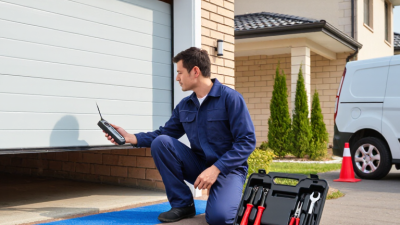
Repair should begin with inspection, not guesswork. A qualified technician can test the door’s balance, cables, drums, rollers, hinges, and tracks. If the door becomes unusually heavy, the spring may be broken. Do not adjust or remove a spring under tension. The stored force can cause severe injury. Technicians usually replace matched springs, especially when one spring has already reached its rated life. Replacing only the visibly broken side may save money today, but it can create uneven lifting tomorrow.
Choose replacement parts by cycle rating and operating conditions. A 20,000-cycle spring may suit a busy household, but it cannot correct a bent track. The U.S. Consumer Product Safety Commission advises testing an opener’s auto-reverse feature regularly, commonly each month. Place a suitable object beneath the closing door and confirm that it reverses safely. Some doors pass today and fail tomorrow. That uncomfortable possibility deserves attention during every repair.
What Is a Broken Garage Door and How Do You Fix It?
Residential garage-door components are commonly rated for approximately 10,000–20,000 operating cycles. One cycle means one complete opening and closing. At an average of two cycles per day, a 10,000-cycle component lasts about 13.7 years, while a 20,000-cycle component lasts about 27.4 years under ideal conditions.
A broken spring, cable, roller, hinge, or opener-related part should be inspected before repair or replacement. A component may be repaired when the damage is minor and the surrounding parts are sound; replacement is generally more appropriate when the part is worn out, deformed, corroded, or near its rated cycle limit. Actual service life varies with door weight, maintenance, climate, and daily usage.
Verify Safe Operation Against UL 325 Garage Door Opener Requirements
What Is a Broken Garage Door and How Do You Fix It?
A broken garage door can hide a serious opener safety failure. Historical U.S. Consumer Product Safety Commission estimates, based on NEISS data, associate garage doors with about 20,000 emergency-department injuries annually. The exact number changes, but the risk remains practical and visible. A door that drops unevenly, stalls halfway, or makes grinding sounds needs inspection before continued use.
UL 325 focuses on preventing entrapment. Residential openers should use monitored external protection, such as photoelectric sensors. These sensors should face each other and sit no more than six inches above the floor. Test them with a solid object, not your hand. The door should reverse immediately when the beam is interrupted. It should also reverse after contacting a properly placed obstruction during a closing test. Never bypass the sensors.
A safe inspection includes the emergency release, wall control, mounting hardware, and travel limits. Check whether the door closes fully without excessive force. A damaged spring or frayed lift cable is not a casual repair. Keep people away and call a qualified technician. In field-style checks, one successful cycle proves very little. Dust, vibration, or a shifted sensor can change results tomorrow. I would test several times, although even that is not perfect. UL 325 supports safe opener operation, but local installation rules and the manufacturer’s instructions still matter.
Related Posts
-
How to Maintain Garage Doors from China Top Suppliers?
-
How to Find Reliable Garage Door Fixers?
-
How to Fix a Broken Garage Door Quickly and Easily?
-
Top Local Garage Door Suppliers Worldwide
-
What is a Garage Door Specialist and What Do They Do?
-
Top Residential Garage Doors for Your Home Improvement Project?