How to Choose the Right Garage Door Parts?
Choosing the right garage door parts is less about finding the cheapest replacement and more about matching every component to the door system. A torsion spring, roller, hinge, or track may look ordinary, yet each part controls movement, balance, and safety. A small mismatch can create noise, uneven lifting, or unnecessary strain on the opener.
Tom Wadsworth, a longtime garage door educator, offers a useful reminder: “The door is a system, not a collection of parts.” That idea should guide every purchase. Measure the door width and height. Check the spring type, roller stem size, hinge number, and track profile. Confirm the opener’s lifting capacity, too. Product photos can mislead. Specifications matter more.
Look closely.
Real-world experience also reveals an uncomfortable truth: many repair attempts begin with the wrong diagnosis. A worn roller may sound like a failing opener. A weak spring may be blamed on the motor. Before ordering garage door parts, observe where the noise starts and how the door moves by hand. Do not handle a loaded torsion spring casually; its stored energy can cause severe injury. Some advice online is incomplete, even when it sounds confident. Professional inspection remains the safer choice when cables, springs, or structural mounts are involved. This guide will help you compare materials, dimensions, compatibility, and expected service life, while recognizing that the “best” part depends on the door in front of you.
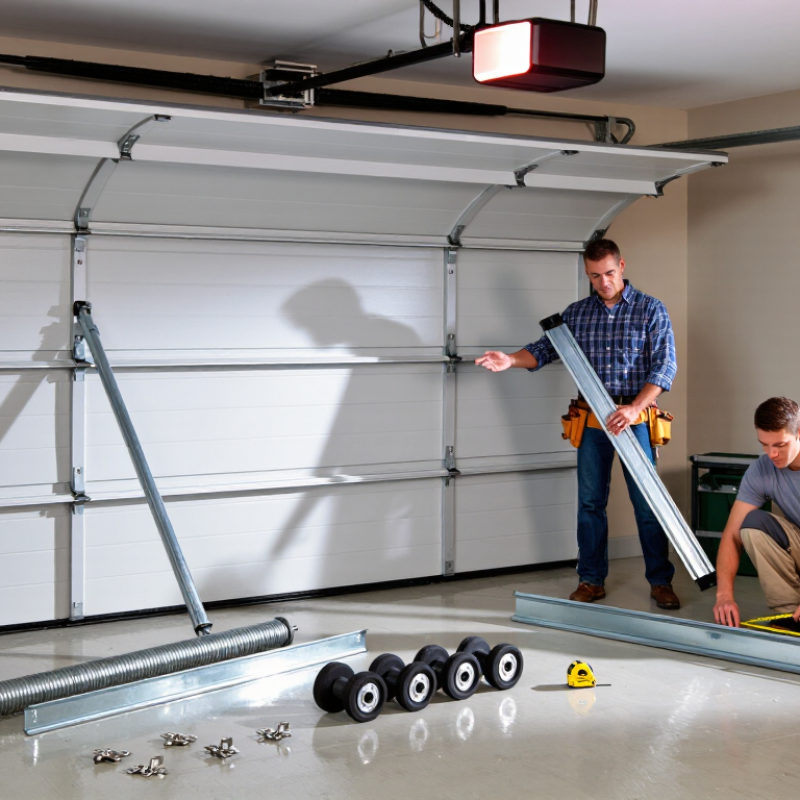
Identify the Door Type, Dimensions, Weight, and DASMA Classification
How to Choose the Right Garage Door Parts?
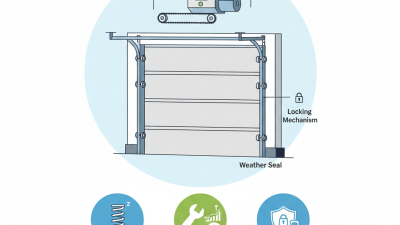
Identify the door type before ordering any replacement part. A sectional door, rolling door, and one-piece door use different tracks, hinges, drums, and lifting systems. Record the opening width and height, panel thickness, track radius, shaft diameter, and spring dimensions. Measure twice. A small error can create a noisy or unsafe fit.
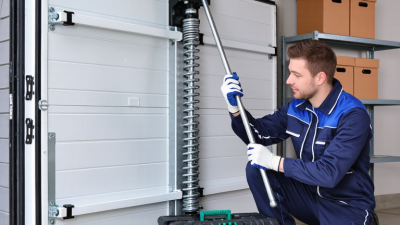
Door weight is equally important. Springs and lifting hardware must match the actual door weight, not only its appearance. Windows, insulation, and added hardware can change the load significantly. Use a reliable scale and follow safe handling procedures. High-tension springs can cause serious injury, so a trained technician should verify them. A quick visual check is not enough.
Check the applicable DASMA classification and technical requirements before selecting hardware. This can clarify door construction, wind-load performance, lifting arrangements, and suitable components. Match the classification with the installation location and local conditions. Coastal or storm-prone areas may require stronger bracing and approved hardware. Parts that look identical may perform differently. In practice, labels can be faded, and older doors may have mixed components. That makes identification imperfect. Photograph each connection, compare measurements, and confirm the part’s load rating before installation.
Match Torsion or Extension Springs to 10,000-Cycle Industry Ratings
How to Choose the Right Garage Door Parts?
A 10,000-cycle rating means the spring is designed for about 10,000 door movements. One cycle includes opening and closing. It does not guarantee ten years of service. A busy household may reach that number faster than expected. Match the rating to daily use, door weight, and balance. A heavier insulated door needs correctly calculated lifting force, not simply a longer spring.
Torsion springs sit above the door and lift it through a shaft and drums. Extension springs stretch beside the horizontal tracks and require properly fitted safety cables. These systems are not interchangeable. Check the door’s weight, track design, available headroom, spring dimensions, wire size, and winding direction. A 10,000-cycle torsion spring with the wrong torque can make the door rise unevenly or overload the opener.
Measure carefully. Then verify the calculation.
In practical inspections, worn springs often show gaps, rust, or uneven coils. The door may also feel unusually heavy by hand. I have seen replacements chosen by length alone, which is a costly mistake. Spring length can change after years of use. A qualified technician should confirm the lifting force and installation method, especially with extension systems. Cycle ratings also vary with maintenance, corrosion, temperature, and door alignment. The rating is useful, but it is not a promise. Rechecking the balance after installation may reveal an overlooked problem.
Choose Tracks, Rollers, and Hinges by Door Size and Load Capacity
How to Choose the Right Garage Door Parts?
Tracks, rollers, and hinges must match both door size and load capacity. A lightweight single-car door may use smaller components, while an oversized or insulated door needs stronger support. Measure the door width, height, thickness, and approximate weight before ordering parts. Do not rely on appearance alone. Two rollers can look identical but have very different load ratings.
Tracks should fit the door’s height, lift type, and available ceiling space. Check the track radius carefully, especially when replacing a curved section. Rollers should match the track width and use stems long enough for the hinge brackets. Steel rollers may support heavier doors, while nylon rollers often operate more quietly. Hinges also need suitable thickness and hole spacing. Weak hinges can bend under repeated movement. I once underestimated an insulated door’s weight, and the replacement rollers wore quickly. That mistake changed how I inspect every part.
Tips: Weigh the door if possible. Never guess. Compare the manufacturer’s load rating with the full door weight, not half of it. Inspect worn brackets, loose fasteners, and bent tracks together, because one damaged part can stress the others. Leave spring adjustments to a trained technician; stored tension can cause serious injury. Take clear measurements twice. Small errors happen, even during careful work.
Verify Openers, Photoeyes, and Auto-Reverse Under UL 325 Requirements
How to Choose the Right Garage Door Parts?
When choosing garage door parts, verify the opener against UL 325 requirements. This safety standard addresses entrapment protection for powered garage doors. The opener should stop and reverse when the door meets resistance. Test it with a solid, non-damaging object, not your hand or foot. The door should reverse quickly and fully.
Photoeyes deserve equal attention. These sensors sit near the floor, facing each other across the opening. A blocked beam should prevent closing or trigger an immediate reversal. Keep the lenses clean and aligned. Even a small tilt can create a dangerous blind spot. The U.S. Consumer Product Safety Commission has reported that garage door systems are linked to thousands of injuries annually through injury-surveillance data. That makes a two-minute sensor check worthwhile.
Field inspections often reveal mismatched openers, damaged wiring, or replacement sensors from incompatible systems. A small oversight can be expensive. Check the opener’s listed compatibility before buying a photoeye or control component. Confirm the auto-reverse function after installation and during routine maintenance. DASMA technical guidance also recommends periodic testing of entrapment-protection devices. Do not rely only on a flashing indicator. It may show power, not proper sensing. My own process is simple, but not perfect: test the photoeyes, test resistance reversal, inspect mounting height, and record the result. If the door behaves unpredictably, stop using it and request evaluation from a qualified technician.
How to Choose the Right Garage Door Parts?
UL 325-oriented safety verification checklist for openers, photoeyes, and auto-reverse protection
Each value of 1 means the item should be included in a safety inspection. Verify that photoeyes are present, aligned, and unobstructed; test the opener’s auto-reverse function with an appropriate obstruction test; confirm that the manual release works; and check that warning labels remain visible. Exact requirements can vary by opener type, installation date, door system, and local code.
Check Part Compatibility, Safety Standards, and Manufacturer Tolerances
Choosing garage door parts requires more than matching appearance. Check the door’s model, weight, track profile, spring system, and opener specifications. A replacement roller may fit the track but still fail under the door’s actual load. Measure shaft diameter, cable length, hinge spacing, and mounting-hole positions. Write the measurements down. Memory is unreliable.
Safety standards deserve equal attention. UL 325 testing commonly limits closing force to 15 pounds and requires monitored entrapment protection on automatic openers. Photoelectric sensors should face each other and sit close to the floor, typically within six inches. The U.S. Consumer Product Safety Commission repeatedly warns that failed reversal systems can cause serious crushing injuries. DASMA technical data sheets also stress correct spring sizing, balance testing, and controlled installation procedures.
Manufacturer tolerances can be surprisingly narrow. A shaft may look identical while differing by a few millimeters. That small gap can create cable drift, noisy operation, or uneven lifting. Check the published tolerance range, not only the nominal dimension. Use calibrated tools where possible. I have seen “universal” parts create extra adjustment work. Sometimes, the cheaper choice is the less predictable one. Document the original setup before removal, including cable routing and sensor alignment. If the door feels heavy when disconnected, stop and obtain qualified service; spring tension stores dangerous energy.