Skip to Content
chevron-left chevron-right chevron-up chevron-right chevron-left arrow-back star phone quote checkbox-checked search wrench info shield play connection mobile coin-dollar spoon-knife ticket pushpin location gift fire feed bubbles home heart calendar price-tag credit-card clock envelop facebook instagram twitter youtube pinterest yelp google reddit linkedin envelope bbb pinterest homeadvisor angies

How to Fix a Garage Door That Will Not Open?

A garage door that will not open can disrupt a workday, trap a car, or leave a home exposed. Start with the basics. Check whether the opener has power, the remote batteries work, and the wall control responds. Look for a locked manual slide bolt or an object blocking the photo-eye sensors near the floor. Dust, a shifted sensor, or a small toy can interrupt the beam. These checks are simple, but they solve many ordinary problems.

A careful garage door fix also means knowing when to stop. If the door feels unusually heavy, hangs crooked, or has a loose cable or visible broken spring, do not force it open or handle those parts. Garage door springs and cables are under high tension and can cause serious injury. Keep people clear and contact a qualified technician. That matters. If the door moves only a few inches, note any flashing opener lights or unusual sounds; these clues can help with diagnosis. Avoid repeated attempts, which may strain the opener or worsen a jam. Sometimes the first guess is wrong. A sensor may look aligned but still need attention, and not every symptom has a simple fix. The sections that follow explain safe checks, likely causes, and when professional service is the sensible next step.
How to Fix a Garage Door That Will Not Open?

Check for Immediate Safety Hazards and Stop if the Door Is Unstable

A garage door that will not open may be more than an inconvenience. Check for immediate hazards before touching the opener. Look for a door hanging crooked, a loose cable, a broken spring, or rollers that have slipped from their tracks. Keep people and pets clear. Do not pull a visibly damaged door or stand beneath it; its heavy panels can drop without warning. The U.S. Consumer Product Safety Commission cautions consumers about garage-door entrapment hazards, while industry safety guidance treats springs and cables as high-tension components. These are not sensible do-it-yourself repairs.

Stop if the door shifts, sags, or makes a sudden grinding sound. Avoid repeatedly pressing the remote or forcing the door by hand. That can worsen a jam, and the exact cause may not be visible from the outside. I know it can feel like a simple fix. Still, a quiet pause is safer than a rushed guess. Call a qualified garage-door technician if a spring or cable appears damaged, or the door is unstable.

Tips: Stand well clear and keep the doorway empty. If the door looks stable, check for blocked photo-eye sensors without touching the tracks or cables. CPSC guidance describes testing an opener’s reversing system with a 1.5-inch object; do this only when the door and hardware appear sound. If anything looks uncertain, stop and get professional help.

Verify the Power Supply, Remote Batteries, and Wall Control

When a garage door will not open, check the power path before assuming the opener has failed. Look at the ceiling unit: is its light on, or is the display dark? Confirm the plug is fully seated and the outlet has power, using a small lamp if the outlet is easy to reach. Do not handle exposed wiring. If a breaker has tripped, reset it once; if it trips again, stop and contact a qualified technician. Small clues matter.

Next, test the remote close to the door. A weak battery may still light its indicator but fail to send a reliable signal. Replace the batteries with the correct type, matching the positive and negative markings. Try a fresh set. If the remote still does not work, check whether the wall control operates the door. Also look for a lock or vacation setting that disables remote use. That is easy to miss.

If the wall control also fails, the opener may not be receiving power, or there may be a control or wiring issue. Avoid removing covers or touching wires; consult the opener’s manual or arrange professional service. If the control works but the door stays shut, do not force it or adjust springs and cables. Those parts are under substantial tension. Note what you checked and what the opener’s lights did; those details can help a technician diagnose the problem.

How to Fix a Garage Door That Will Not Open

Start with these simple checks before investigating more complex causes.

About the estimates: These are approximate minutes for each check and may vary by opener and situation. Confirm the opener is plugged in and its circuit breaker has not tripped, try the remote with fresh batteries, and test the wall control. Do not attempt to repair springs or electrical wiring yourself.

Inspect the Door Locks, Tracks, Rollers, and Obstructions

A garage door that will not open may have a simple obstruction, not a failed opener. Stand inside the garage and check whether the manual lock or slide bolt is engaged. Look near the handle for a small metal bar crossing the track. Do not force the door; the opener can strain, and the door may move suddenly. Keep children and pets away while you inspect.

Check both tracks for leaves, grit, or a loose object near the floor. Clear only debris you can reach safely. Look along the track edges for bends or gaps, and check whether rollers sit inside their tracks. A roller that looks tilted or worn needs attention from a qualified technician. Tracks can hold surprising tension. I would not try to bend one back.

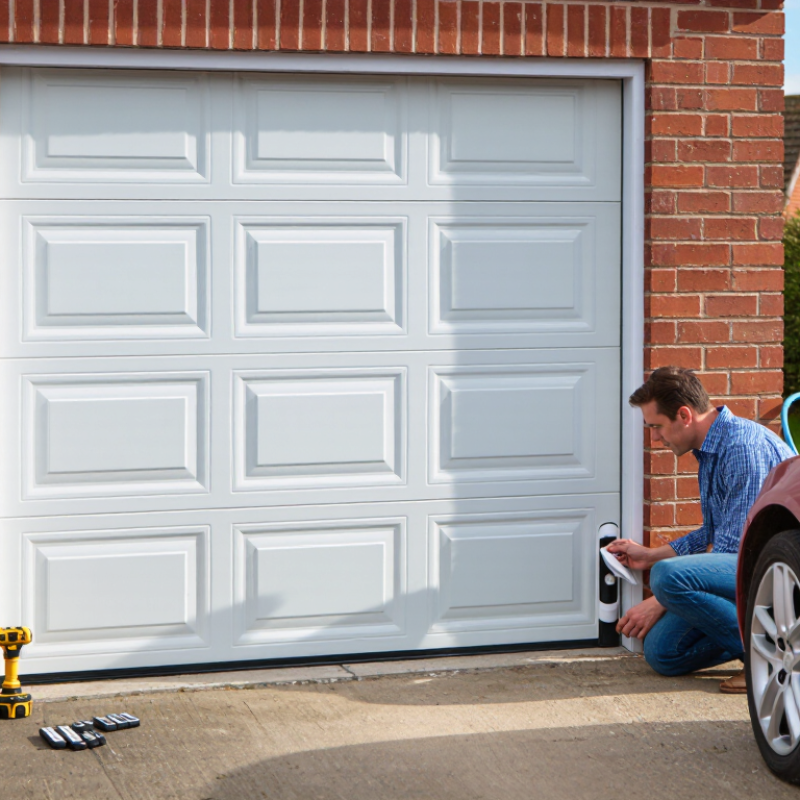
Check the floor beneath the door and the area near its path for a toy, broom, or packed snow. Even a small object can stop movement. If the door starts down and reverses, make sure nothing blocks its safety sensors, then gently wipe their lenses with a dry cloth. It is easy to blame the opener too soon. If the door is crooked, partly open, or making a grinding sound, stop testing it and arrange professional inspection.

Test the Opener and Perform a Manual Release Check

When a garage door stays shut, check the opener before assuming the door itself has failed. Confirm the outlet has power, then try the wall control and remote separately. If the motor hums but the door does not move, stop repeated attempts; a jammed track or failed spring may be involved. Look for blocked photo-eye sensors and small indicator lights near the floor. Do not touch cables or spring hardware.

Test the opener’s safety reversal before relying on it again. The U.S. Consumer Product Safety Commission recommends placing a 1.5-inch-high object, such as a flat 2×4, under the door; the door should reverse when it contacts it. Its guidance also advises checking the photo-eye system. If either test fails, disconnect use and arrange a qualified inspection. These checks are useful, but they do not diagnose every fault.

Tips: To perform a manual-release check, close the door fully first, then disconnect the opener using its release cord. Lift the door gently by hand. It should move smoothly and stay open around waist height. If it feels unusually heavy, drops, or sticks, lower it if safe and call a technician; a broken spring can make a released door fall. Reconnect the opener according to its instructions. I’ve found that this step can feel simple, but a poorly balanced door is easy to underestimate.

Call a Garage Door Technician for Broken Springs or Cables

When a garage door will not open, a broken spring or cable may be the cause. Look for a visible gap in the spring, a loose cable, or one side of the door hanging lower. You may also hear a sharp bang before the door stops working.

Do not try to lift the door by hand. A door with damaged hardware can be extremely heavy.

Call a qualified garage door technician to inspect it. Springs remain under high tension, and cables can shift suddenly. Trying to wind a spring or reconnect a cable without the right tools and training can cause serious injury. Keep children and pets away from the doorway, and avoid pressing the opener repeatedly; it may strain the motor or worsen the damage. Small warning signs matter.

A technician can check the springs, cables, drums, tracks, and opener before recommending a repair. Share what you noticed, including unusual sounds and whether the door looks uneven. It is easy to assume the opener is at fault, but that guess can miss a dangerous mechanical problem. Until the door is assessed, leave it closed if possible.