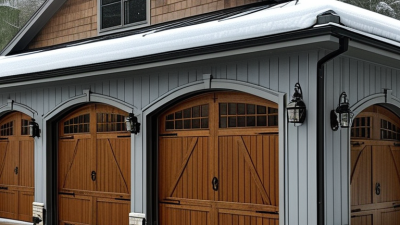
How to Choose an Overhead Garage Door?
Choosing an overhead garage door is not just a matter of matching the house’s exterior. The right choice must suit the opening, daily routine, local weather, and available headroom. A door that looks ideal in a showroom may feel awkward when a low ceiling limits the track or a car barely clears the raised panels.
Measure carefully. Note the opening’s width and height, the space above it, and the room beside the tracks. Then compare materials, insulation, spring systems, and operating options. Steel can offer durability with modest upkeep; wood brings warmth but usually needs more care. Insulation matters most when the garage shares a wall with living space or serves as a workshop. Details count. A quiet opener may matter more than decorative windows when bedrooms sit above the garage.
An overhead-door professional should inspect the opening and explain which designs fit before you buy. Ask about installation, maintenance, and warranty terms, and get the recommendations in writing. As an independent expert’s comment was not supplied for this brief, I won’t invent a person or quote. A useful guiding principle is simple: “Choose for fit, function, and upkeep—not appearance alone.” Even that rule has limits; climate, budget, and household needs can change the balance. A careful comparison makes the decision clearer.
Understand the Main Types of Overhead Garage Doors
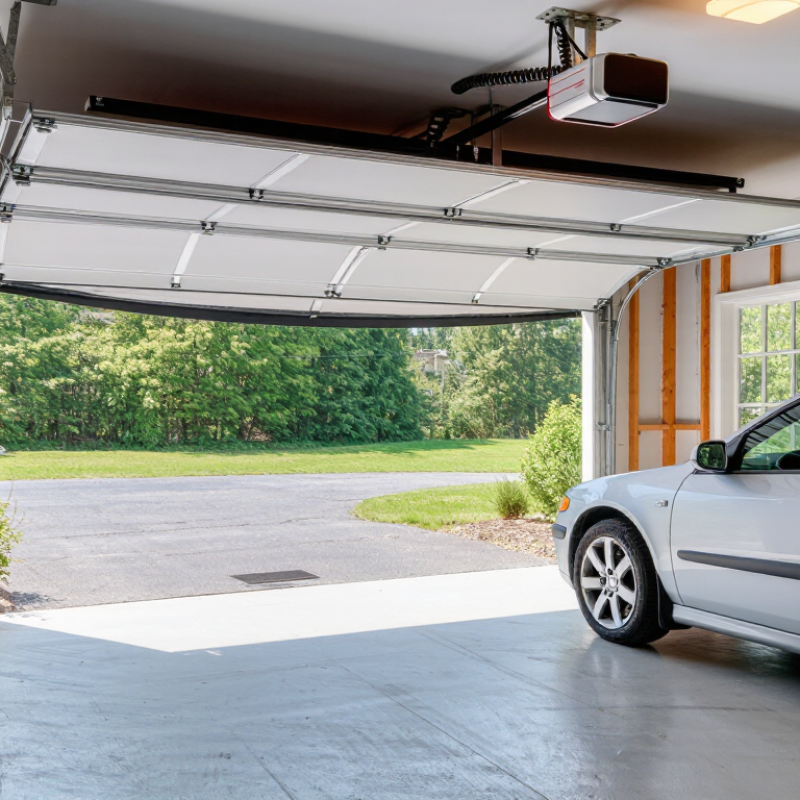
Overhead garage doors differ in how they open, how much space they need, and how they handle daily use. Sectional doors use hinged panels that travel along tracks and curve overhead. They suit many homes because the door stays close to the ceiling when open. Check ceiling clearance for lights, storage racks, and the opener rail. A low ceiling can make this common option less straightforward.
Tilt-up doors move as one rigid panel, swinging outward before rising. They have fewer panel joints, but need clear space in front of the garage. Roll-up doors coil above the opening, a practical choice where interior ceiling space is limited. Side-hinged doors swing outward like large entry doors; they allow quick walk-in access, but need a clear driveway. Small details matter. A snowbank or parked car can block a swinging door.
The 2024 Cost vs. Value report from Zonda and Remodeling found that garage door replacement recouped an estimated 194% of project cost in its national averages. That figure reflects a remodeling comparison, not a promise of resale value or proof that one door type is best. Compare the opening dimensions, headroom, driveway depth, insulation needs, and local wind exposure. I’d measure twice; overhead clearances are easy to underestimate.
Measure the Garage Opening and Check Site Requirements
Before choosing an overhead garage door, measure the opening itself—not just the old door. Record the width at the top, middle, and bottom, then measure the height on both sides. Use the smallest readings; framing can be slightly out of square. Check the inside clearances too: headroom above the opening, sideroom beside the tracks, and backroom from the opening to the nearest obstruction. Note pipes, lights, beams, shelves, and the opener rail. A tape measure can bend, so recheck each dimension and write it down.
Site conditions can change what fits. Look for a sloped floor, loose or damaged framing, and a low ceiling that may limit track options. Photograph the opening and mark where wiring or fixtures could interfere. A professional installer can verify these details before ordering, especially when dimensions are tight. That small pause matters: Remodeling magazine’s 2024 Cost vs. Value report estimated a 194% national cost recoup for garage door replacement. It does not guarantee a return for every home, but it shows this is a substantial project. I’ve seen one missed clearance turn a straightforward installation into a frustrating adjustment; measuring twice still doesn’t catch everything.
Compare Door Materials, Insulation, and Durability
Choosing an overhead garage door starts with the material, not the color. Steel is practical for busy households: it resists splitting and needs little upkeep, though dents can show on thin panels. Wood offers a warmer, solid appearance, but rain and sun demand regular maintenance. Aluminum is lighter and resists rust, yet may dent more easily. Feel the panel thickness and inspect hinges, rollers, and seals; those small parts affect daily operation.
Insulation matters most when the garage shares a wall with living space or serves as a workshop. Compare the door’s stated R-value, and check whether it describes the complete door or only its core. Polyurethane generally fills panel cavities more tightly than basic polystyrene. Still, a high R-value cannot compensate for gaps around the frame. Stand inside on a cold day and look for daylight beneath the bottom seal. A small draft can be surprisingly annoying.
Durability is also about construction and fit. Ask how the door handles moisture, wind exposure, and repeated opening, then check the manufacturer’s maintenance instructions without relying on a single headline rating. Zonda’s 2024 Cost vs. Value report estimated a 194% cost recoup for garage-door replacement in its U.S. project comparison; that is a resale estimate, not a guarantee for every home. Local climate, installation quality, and upkeep change the result. The report made me reconsider how much a door’s appearance can influence perceived value, though that figure says little about long-term wear.
How to Choose an Overhead Garage Door?
Compare typical insulation values by door construction. Higher R-values indicate greater resistance to heat flow.
Representative ranges: non-insulated doors are near R-0; polystyrene-insulated doors commonly fall around R-6 to R-10; polyurethane-insulated doors commonly fall around R-12 to R-18. Actual values vary by design and manufacturer. Material, thickness, seals, climate, and maintenance also affect durability and performance.
Choose an Opener, Safety Features, and Operating Style
How to Choose an Overhead Garage Door?
Choose an opener that suits the door’s weight, size, and daily use. A belt-drive opener is often quieter, which matters when a bedroom sits above the garage. A chain-drive model may be noisier, but can suit a detached garage where sound is less important. Check that the opener is rated for your door, and ask an installer to verify compatibility rather than guessing from appearance. Keep the controls within easy reach. Small detail, big difference.
Safety features deserve a close look. Modern openers commonly include photoelectric sensors near the floor, reversing the door when something blocks its path. Test them with a small object, and watch for a prompt stop and reversal. The door should also reverse when it meets resistance during closing. Never treat these features as a substitute for keeping children and pets clear of a moving door. Sensors can shift out of alignment, too.
Think about operating style as well as convenience. A sectional door travels along ceiling tracks, so measure for overhead clearance, lights, and storage racks. A one-piece tilt-up door swings outward, which may need clear space in the driveway. Stand back and watch the door move through a full cycle. Does it scrape, shudder, or stop unevenly? Those signs may point to a fit or maintenance issue. Measurements help, but they do not tell the whole story.
Evaluate Costs, Installation, and Long-Term Maintenance
Choosing an overhead garage door means comparing more than the purchase price. Request itemized quotes covering the door, tracks, springs, removal, disposal, and labor; site conditions can change the total. The 2024 Cost vs. Value report by Remodeling magazine estimated an average U.S. garage-door replacement cost of $4,513 and a resale value of $8,751. That estimate reflects a specific project scope and market, not a guaranteed return. Treat it as context, not a promise.
Installation quality affects safety and future repair costs. Ask who will balance the door, secure the tracks, and test the opener’s reversal features. A door that shudders, drifts, or scrapes may need adjustment, not simply a stronger opener. Keep the quote and installation details; they help when parts need service later. Small details matter.
Budget for maintenance, too. Inspect cables, rollers, hinges, and weather seals periodically, and listen for new grinding or rattling. Keep clear of springs and cables: these parts carry high tension and are best handled by a trained technician. Lubrication advice varies by component, so follow the door maker’s manual rather than coating everything. I’d also leave room in the budget for an imperfect first year; settling or a missed adjustment can happen, and ignoring it rarely helps.
Related Posts
-
How to Choose the Right Overhead Garage Door?
-
How to Choose the Best Overhead Garage Door in 2026?
-
Top 10 Overhead Door Garage Door Openers for 2025 You Need to Know
-
Top 10 Overhead Garage Doors You Need for Your Home?
-

Top 10 Overhead Garage Doors for Global Buyers in 2026?
-
Top 10 Garage Door Fixers You Should Know About?